
Search
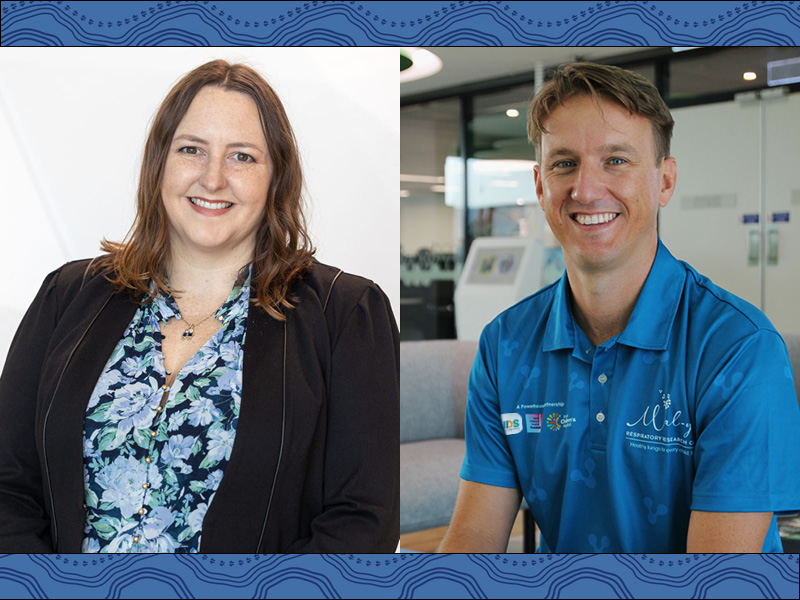
Two projects led by The Kids Research Institute Australia have been awarded more than $2.5 million to fund innovative ideas focused, respectively, on combating persistent ear infections and investigating how dangerous fungi invade the bodies of immunocompromised people.
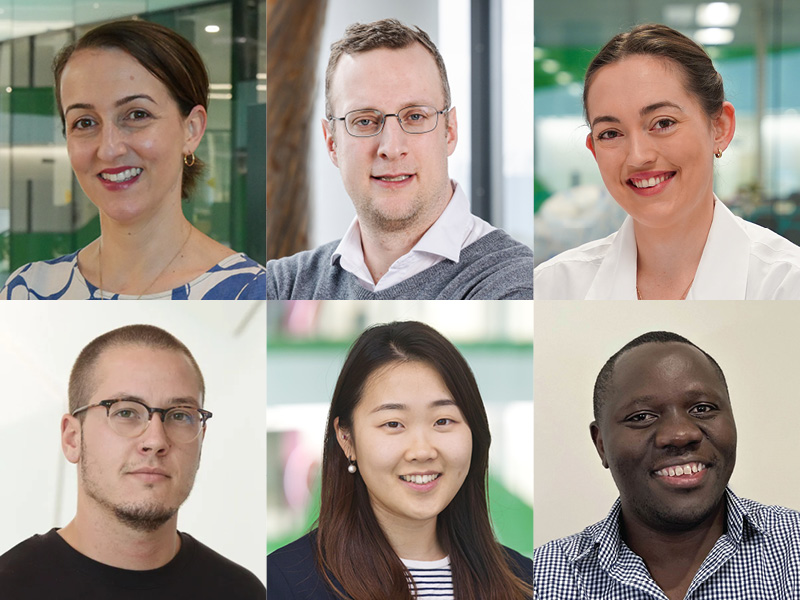
Congratulations to six researchers from The Kids Research Institute Australia, who will use valuable support from the Raine Medical Research Foundation’s 2024 grant round to undertake projects focused on improving the health and wellbeing of babies, children and young people.

We honour the memory of Emeritus Professor Michael Alpers, a colleague and friend to many at The Kids Research Institute Australia, who passed away on December 3, 2024.
Staphylococcus aureus bacteraemia (SAB) is the most common cause of sepsis, contributing to paediatric intensive care unit admission in Australia and New Zealand. While deep venous thrombosis (DVT) has been reported in children with invasive S. aureus infections, the actual frequency and possible effects of thrombosis on disease severity and outcome in paediatric SAB remain unknown. Moreover, guidance regarding imaging for paediatric SAB management are poorly defined.
Although social factors and culture are significant determinants of health in Aboriginal and Torres Strait Islander peoples, little is known academically about key interpersonal and social experiences of this population during the perinatal period, or how early attachments are formed through culture. This study addressed this gap in the literature.
The school environment profoundly influences children's development, behaviours, and attitudes. This chapter delves into the relationship between school design and architecture, and their impact on bullying, victimisation, inclusivity, and student well-being. Research underscores the significant impact of school design on student social dynamics, advocating for collaborative efforts among stakeholders to craft effective anti-bullying policies.
The increasing occurrence of hospital-associated infections, particularly bacteremia, caused by extensively drug-resistant (XDR) carbapenemase-producing colistin-resistant Klebsiella pneumoniae highlights a critical requirement to discover new therapeutic alternatives. Bacteriophages having host-specific bacteriolytic effects are promising alternatives for combating these pathogens.
Medicine acceptability is crucial for paediatric drug development, yet its assessment remains challenging due to the multifaceted nature of sensory attributes like taste, smell, and mouthfeel. Traditional methods of acceptability evaluation often involve complex questionnaires and lack standardisation, leading to difficulties in a comparative analysis across studies.
Autistic people and those with attention deficit hyperactivity disorder are at a high risk of developing an eating disorder. While there is limited evidence on the relationship between other forms of neurodivergence and eating disorders, research suggests associations between giftedness, intellectual disability, obsessive-compulsive disorder, psychosis, Tourette's syndrome, and disordered eating.
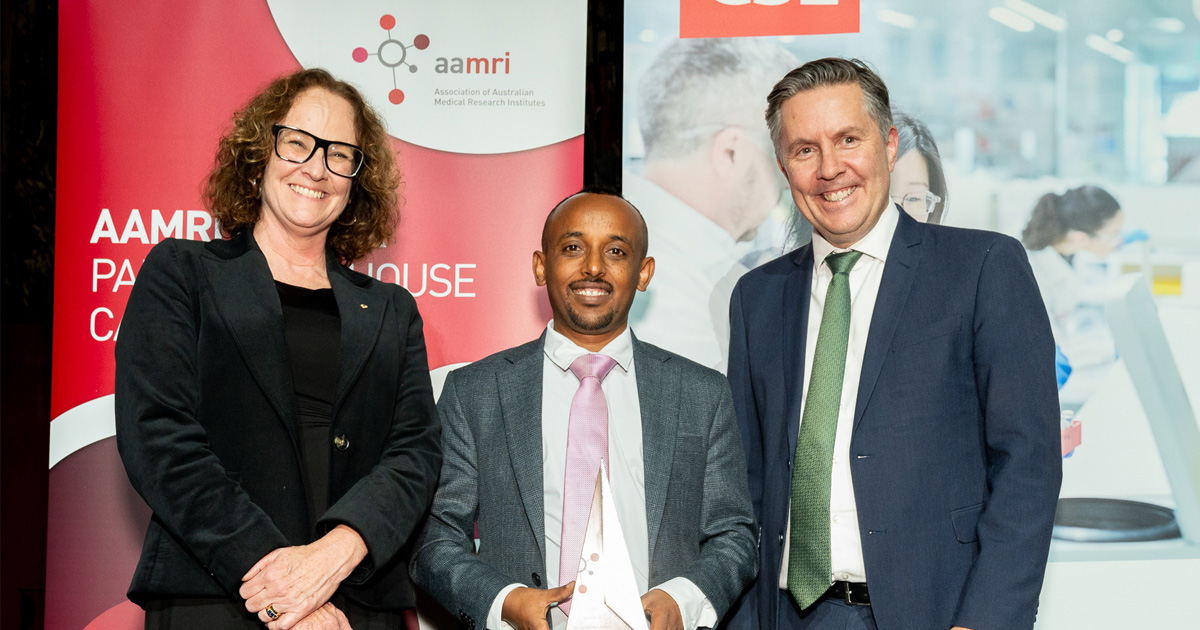
Dr Kefyalew Alene, who heads the Geospatial and Tuberculosis team at The Kids and is a senior research fellow within the Curtin School of Population Health, has used cutting edge technology to transform the way TB transmission is predicted, understood and managed globally.