
Search
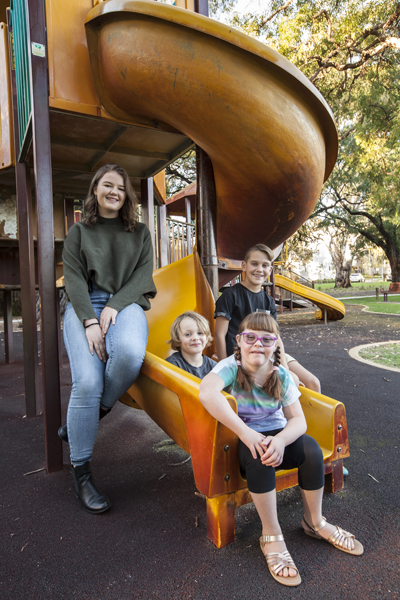
Perth Children's Hospital's upcoming diabetes self-efficacy group has availability for children with type 1 diabetes aged five to 10 years.

Our exercise researcher Wayne Soon talks about why he became a diabetes researcher in The West Australian's ED! liftout, published August 20.

Perth Children’s Hospital’s Endocrinology and Diabetes Department is seeking donations of old Apple iPhones — no older than model 6 — to pass on to families starting on continuous glucose monitoring.

Our researchers have been busy. Here's a look at some of their work to be published recently.

Our exercise researchers have been working with young people with type 1 diabetes to create an app and we need your help to name it!
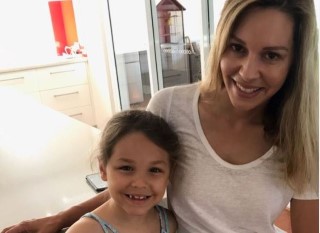
At every meal, Candice Carlon counts the carbs in her daughter Mia’s food. When Mia started pre-kindy, she stayed with her every day for six months.

We're testing how much protein is needed to prevent overnight hypos which can happen after exercise
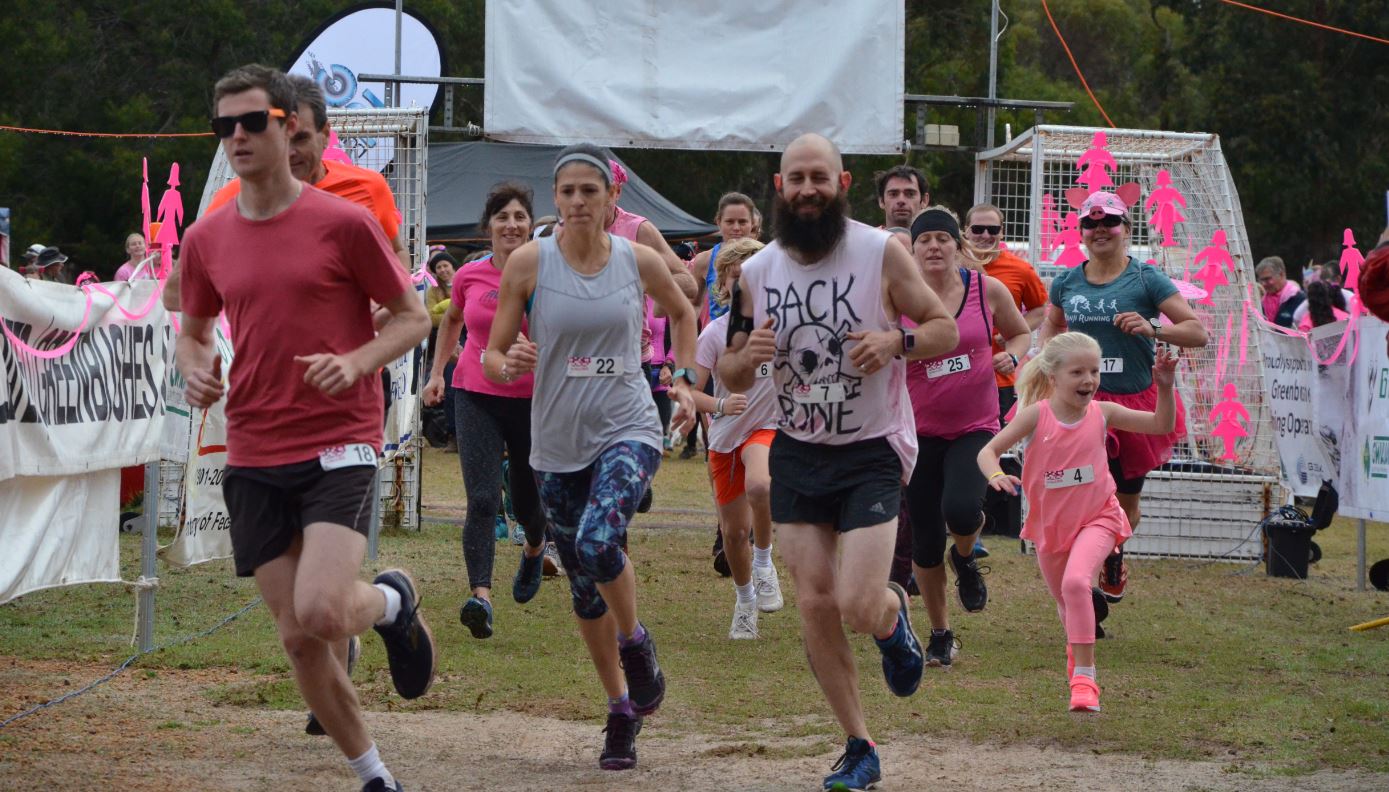
The tiny south west town of Greenbushes has again proved it has a big heart when it comes to raising funds for charity following the hosting of its sixth annual Fun Run and Mountain Bike Event recently.
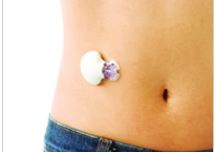
Perth Children’s Hospital’s Diabetes Clinic is holding a Continuous Glucose Monitoring (CGM) information night on Wednesday, May 29.

Perth Children’s Hospital’s Diabetes Clinic is holding an Adult Transition Information Evening for young people with type 1 diabetes on Wednesday June 19.