
Search
Persistent bacterial lung infections in children lead to significant morbidity and mortality due to antibiotic resistance. In this paper, we describe how phage therapy has shown remarkable efficacy in preclinical and clinical studies, demonstrating significant therapeutic benefits through various administration routes.
Obesity is linked to altered lung function and increased perioperative respiratory adverse events (PRAEs). We examined the effects of obesity, respiratory symptoms, and posture on PRAEs, lung mechanics, and ventilation distribution in children undergoing general anesthesia.
The airway epithelium is the primary structural and functional airway barrier and orchestrates innate immunity. Some children may have underlying epithelial vulnerabilities that contribute to the pathogenesis of acute wheeze and asthma.
Children are particularly vulnerable to air pollution, but the effects of early life exposure to acute, high-intensity pollution on later lung function remain poorly understood. We assessed the association between prenatal or infant exposure to fire-related fine particulate matter (PM2.5) from a six-week coal mine fire and subsequent lung function.
To examine follow-up outcomes at corrected postnatal age (cPNA) 2 years of preterm infants previously enrolled in an RCT and treated with IN-REC-SUR-E or IN-SUR-E in 35 tertiary neonatal intensive care units.
Lung function testing and lung imaging are commonly used techniques to monitor respiratory diseases, such as cystic fibrosis (CF). The nitrogen (N2) multiple-breath washout technique (MBW) has been shown to detect ventilation inhomogeneity in CF, but the underlying pathophysiological processes that are altered are often unclear.

The Wal-yan Respiratory Research Centre is thrilled to see three researchers awarded prestigious Medical Research Future Fund (MRFF) Chronic Respiratory Conditions grants to improve lung health in children.

Five researchers from The Kids Research Institute Australia have been awarded three-year fellowships with the aim of keeping more WA-based PhD graduates involved in child health research.
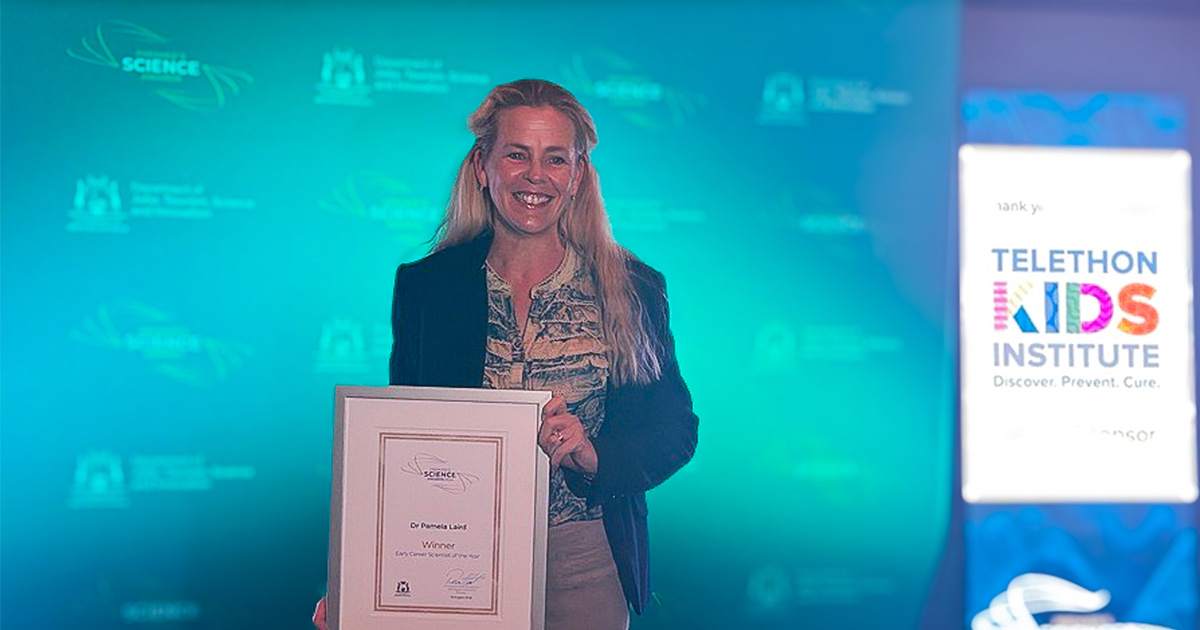
Congratulations to respiratory health researcher and clinician Dr Pam Laird, who was last night named joint winner of Early Career Scientist of the Year at the 2024 Premier’s Science Awards.

Eight The Kids Research Institute Australia-led projects will benefit from the latest round of WA Child Research Fund (WACRF) grants, announced this week by Medical Research Minister Stephen Dawson.