
Search
This analysis aimed to investigate diabetes-specific psychological outcomes among adults with type 1 diabetes (T1D) using hybrid closed-loop (HCL) versus standard therapy.
Regular physical activity and exercise (PA) are cornerstones of diabetes care for individuals with type 1 diabetes. In recent years, the availability of automated insulin delivery (AID) systems has improved the ability of people with type 1 diabetes to achieve the recommended glucose target ranges. PA provide additional health benefits but can cause glucose fluctuations, which challenges current AID systems.
The Rio Tinto Children's Diabetes Centre is a research centre that aims to improve the lives of children and young adults living with diabetes by bringing together research, education and clinical care.
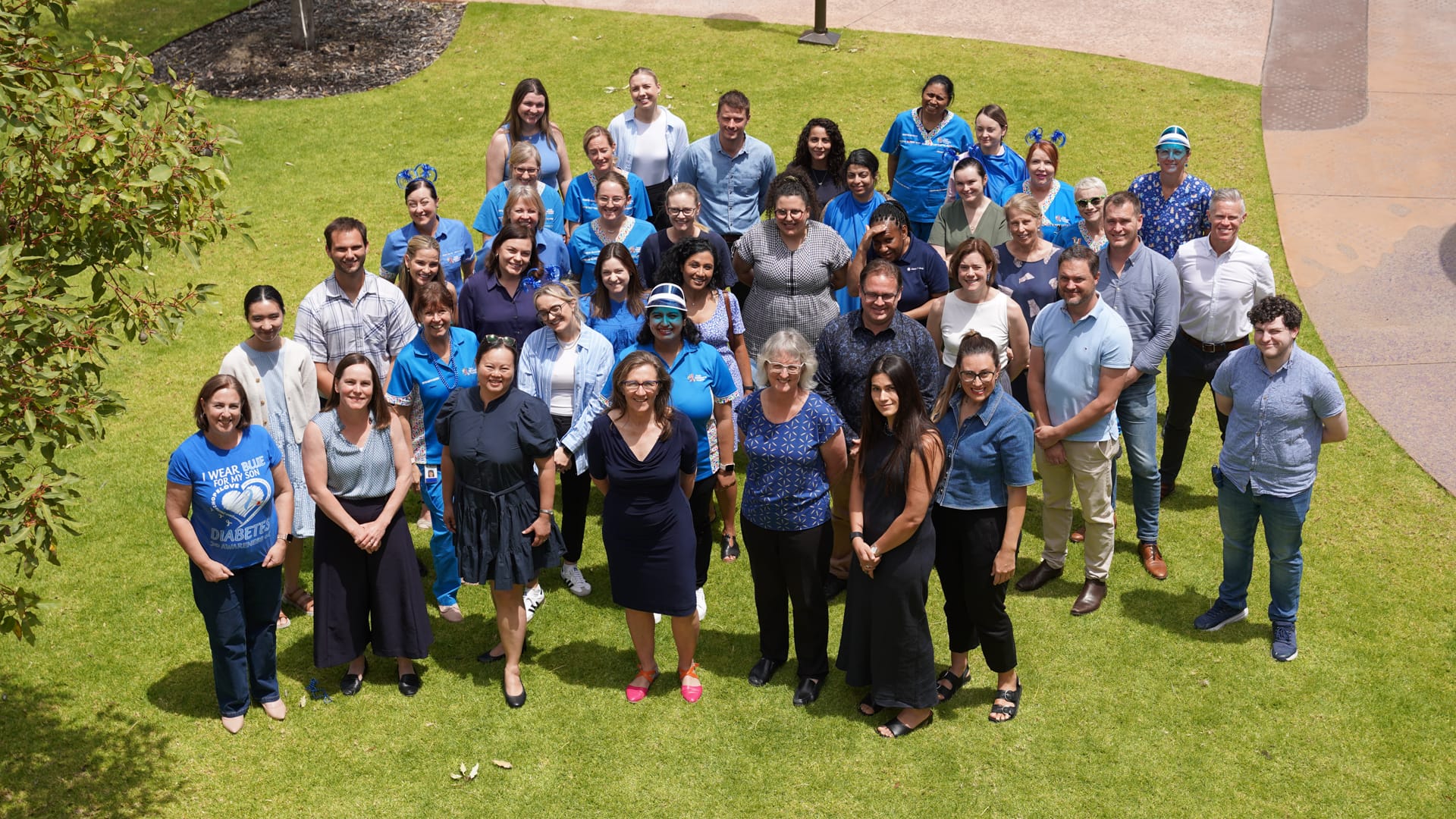
The Centre includes researchers at The Kids Research Institute Australia’s Diabetes Research Team and the Diabetes Service at the Perth Children’s Hospital.
Type 1 diabetes is a chronic autoimmune disease that results from the immune system attacking the insulin-producing cells of the pancreas. Unlike type 2 diabetes which is potentially preventable, type 1 is a non-preventable disease - currently, its exact cause is not known and there is no cure.
Many of the Centre's researchers have been responsible for discovering and contributing to real game-changers, making a difference to children with diabetes.

We are trying to understand what underlies mental health problems in young people with diabetes, with a school-related focus, and how we can best treat them.

Our research focuses on what are the best ways for patients with type 1 diabetes to exercise safely.
Much of our research focuses on the safety and the use of emerging technologies for insulin pumps and other diabetes treatment technology.