
Search

Discover essential insights on food and nutrition for Type 1 Diabetes, from carb counting to meal planning.
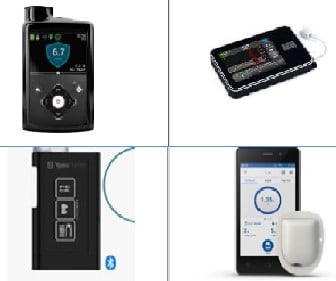
Pump Comparison tool . This easy-to-use updated comparison tool is designed to help you pick the right device for your family.

Websites we think you'll find useful.
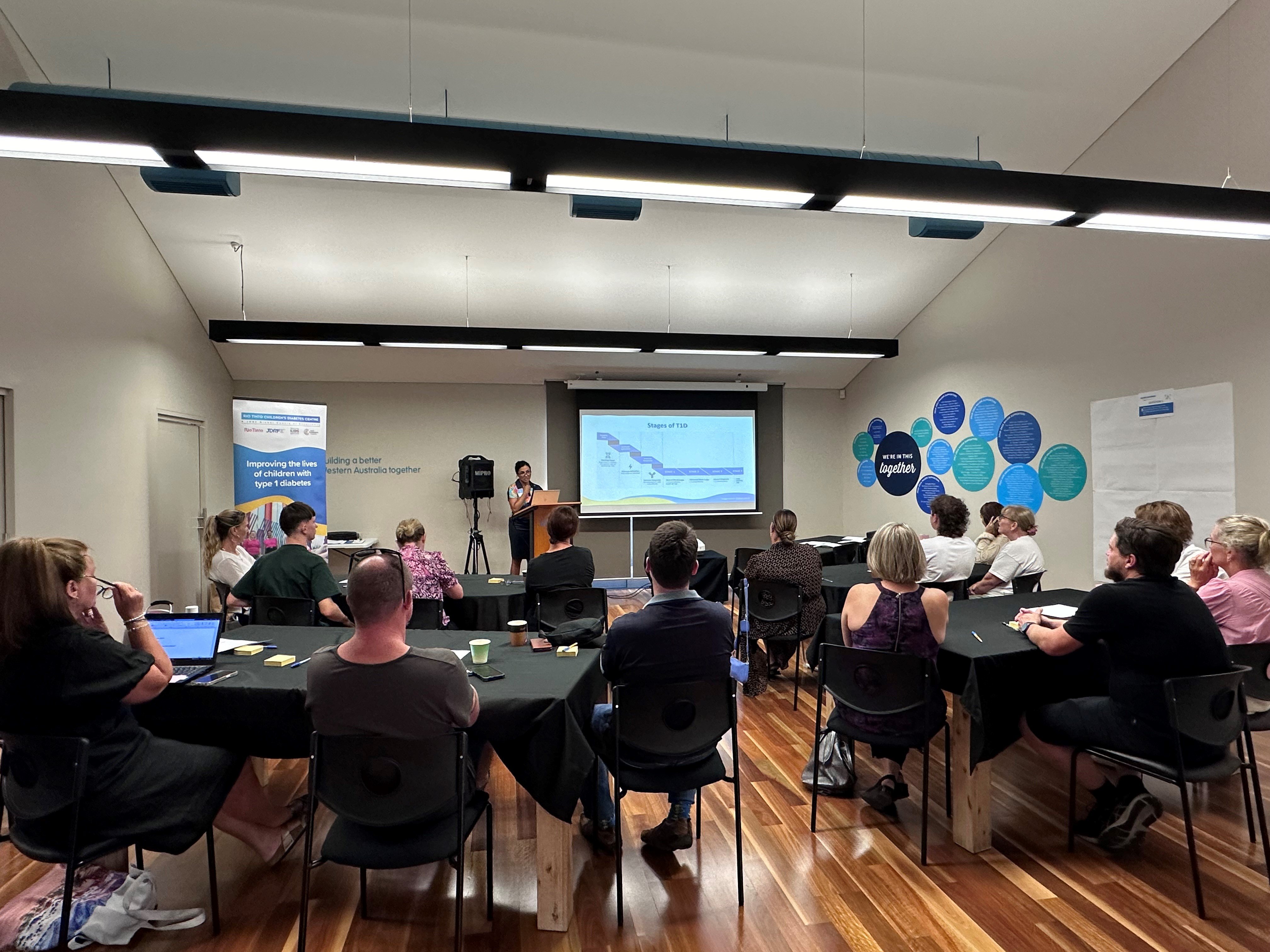
Find out how to participate in our research and community groups.
We are in a new era of T1D care. We can now identify and provide care for people across a spectrum of T1D, from early-stage T1D to symptomatic insulin requiring T1D (Stage 3 and Stage 4). And for the first time since the discovery of insulin over 100 years ago, Australia has approved a new therapy, Teplizumab.

T1D can be a traumatic diagnosis for children and young people, and often involves strict adherence to painful treatments, comorbid mental health conditions, and shortened life expectancy.
The DiabHQ Patient Portal app is now available to WA children and families living with Type 1 diabetes.
To assess the real-world performance of MiniMed™ 780G for Australians with type 1 diabetes (T1D) following advanced hybrid closed loop (AHCL) activation and to evaluate the effect of changing from MiniMed 670/770G to 780G.
Hypertension increases complication risk in type 1 diabetes (T1D). We examined blood pressure (BP) in adolescents and young adults with T1D from the Australasian Diabetes Data Network, a prospective clinical diabetes registry in Australia and New Zealand.
To explore the impact of missing data on the accuracy of continuous glucose monitoring (CGM) metrics collected for a 2-week period in a clinical trial.