
Search
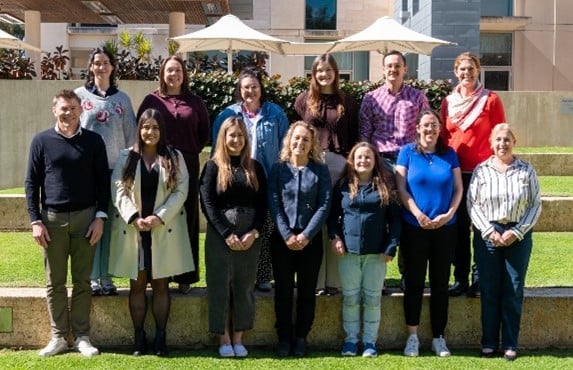
Community Involvement and Consumer Representatives are a really important part of our research. Find out what they have been working on.

How to enjoy the special time and strike a healthy balance between enjoying Easter treats and maintaining your healthy meal routine

with Dr Maddalena Ferranna

Rio Tinto Children's Diabetes Centre announces Rigel Paciente, mental health research assistant, as the latest recipient of the PhD Top-up scholarship program.
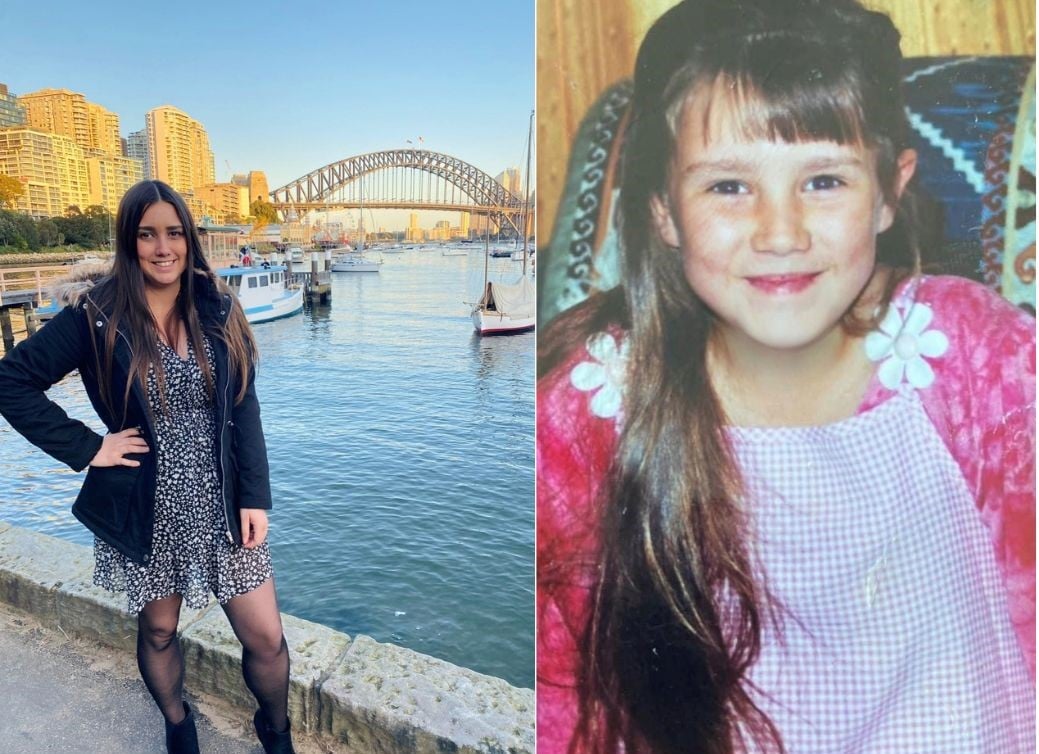
Meet Paige Demery, one of our Consumer Representatives from Queensland.
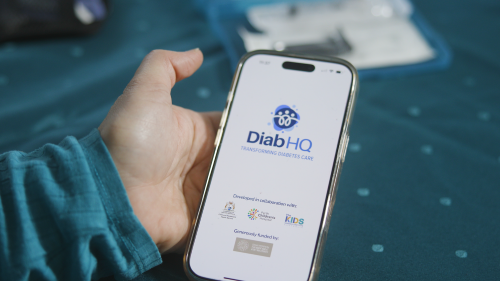
Following the successful launch of the DiabHQ mobile app last November, we're now moving into the exciting next phase and need your voice.
To assess the real-world performance of MiniMed™ 780G for Australians with type 1 diabetes (T1D) following advanced hybrid closed loop (AHCL) activation and to evaluate the effect of changing from MiniMed 670/770G to 780G.
Managing the care regimen for Type 1 Diabetes is challenging for emerging adults, as they take on greater responsibility for self-management. A diverse range of models of care have been implemented to improve safety and quality of care during transition between paediatric and adult services. However, evidence about acceptability and effectiveness of these is limited.
The EU LifeCycle Project was launched in 2017 to combine, harmonize, and analyze data from more than 250,000 participants across Europe and Australia, involving cohorts participating in the EU-funded LifeCycle Project. The purpose of this cohort description is to provide a detailed overview of the major measures within mental health domains that are available in 17 European and Australian cohorts participating in the LifeCycle Project.
Type 1 diabetes (T1D) is a chronic and incurable autoimmune disease, diagnosed in early childhood and managed initially in paediatric healthcare services. In many countries, including Australia, national audit data suggest that management and care of T1D, and consequently glycaemic control, are consistently poor.