
Search
This paper reports on the shift in parental attitude to vaccination after 2010, due to an unprecedented increase in febrile reactions in children receiving...
This paper examined the link between low serum Vitamin D levels and development of non-alcoholic fatty liver disease (NAFLD) in adolescents between 14 and 17...
This report systematically reviews the human clinical studies that have used trans-cutaneous KLH immunization for assessment of the influence of various...
This paper reviews American cutaneous leishmaniasis (ACL) immunogenetics in the state of Bahia (BA), northeastern Brazil, highlighting the interacting roles...
Developmental Coordination Disorder is a lifelong disability impacting most aspects of daily living that involve movement. With an estimated prevalence of ~5% of children, the disorder affects an average of one to two children in every Australian classroom.
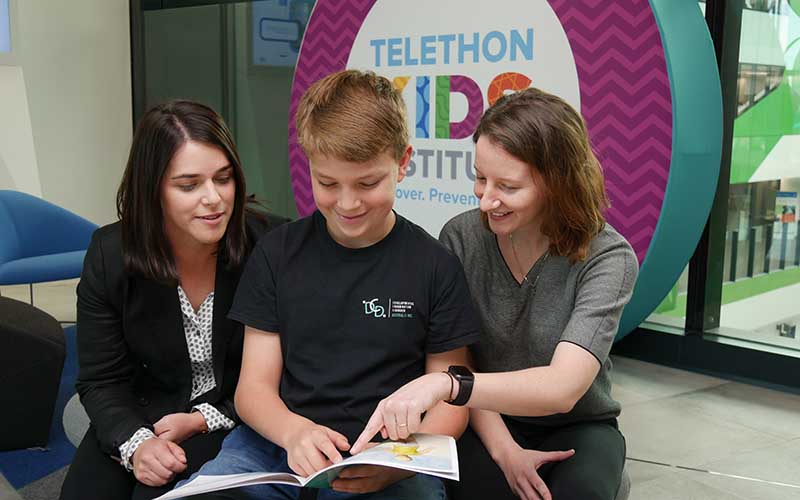
Two The Kids Research Institute Australia researchers behind a new book featuring the voices of Kids with DCD.
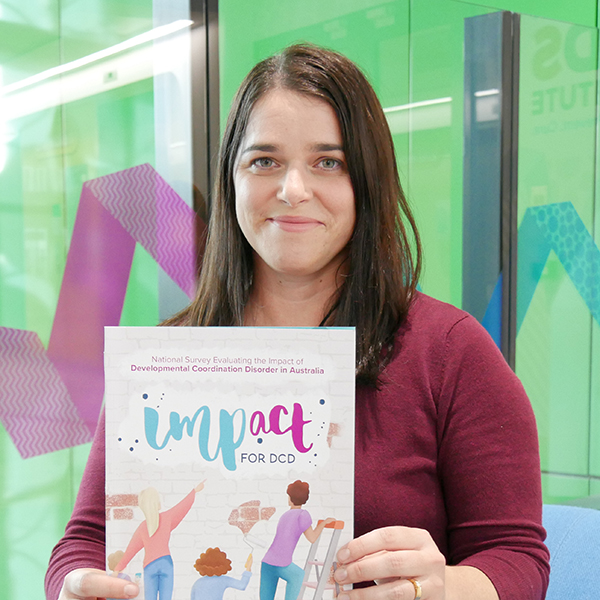
Senior Research Fellow
To evaluate the participation difficulties experienced by children with developmental coordination disorder in home, school, and community environments.

A new report released by The Kids Research Institute Australia in collaboration with Victoria University has revealed the significant social and emotional toll of Developmental Coordination Disorder (DCD).
Birth order effects have been linked to variability in intelligence, educational attainment and sexual orientation. First- and later-born children have been linked to an increased likelihood of an Autism Spectrum Disorder (ASD) diagnosis, with a smaller body of evidence implicating decreases in cognitive functioning with increased birth order. The present study investigated the potential association between birth order and ASD diagnostic phenotypes in a large and representative population sample.