
Search
This study investigates the interaction between caregiver burden, mutuality, and family resilience in colorectal cancer management, and determines whether mutuality affects the effect of caregiver burden on family resilience.
Pediatric patients with recurrent and refractory cancers are in most need for new treatments. This study developed patient-derived-xenograft (PDX) models within the European MAPPYACTS cancer precision medicine trial.
To examine the psychometric properties of the Diabetes Management Experiences Questionnaire (DME-Q). Adapted from the validated Glucose Monitoring Experiences Questionnaire, the DME-Q captures satisfaction with diabetes management irrespective of treatment modalities.
Burn injury in children causes prolonged systemic effects on physiology and metabolism leading to increased morbidity and mortality, yet much remains undefined regarding the metabolic trajectory towards specific health outcomes.
Optic pathway gliomas (OPGs) are associated with significant risk of visual and endocrine morbidity, but data on long-term outcomes in symptomatic patients is sparse. This study reviews the clinical course, disease progression, survival outcomes and long-term sequelae in pediatric patients with symptomatic OPGs in our institution over three decades.
The Toronto Paediatric Cancer Stage Guidelines are a compendium of staging systems developed to facilitate collection of consistent and comparable data on stage at diagnosis for childhood cancers by cancer registries.
Cancer continues to be a leading cause of death globally. However, there remains a significant disparity in the reported incidence of cancer in developed countries, estimated to be 295.3 cases per 100,000 people, compared with only 115.7 in developing countries. Some of the reasons for this variation include lack of robust data collection with limited reporting systems, and insufficient data availability in the registries of these developing nations.
The WA Kids Cancer Centre brings together clinicians and researchers working together to defeat childhood cancer.
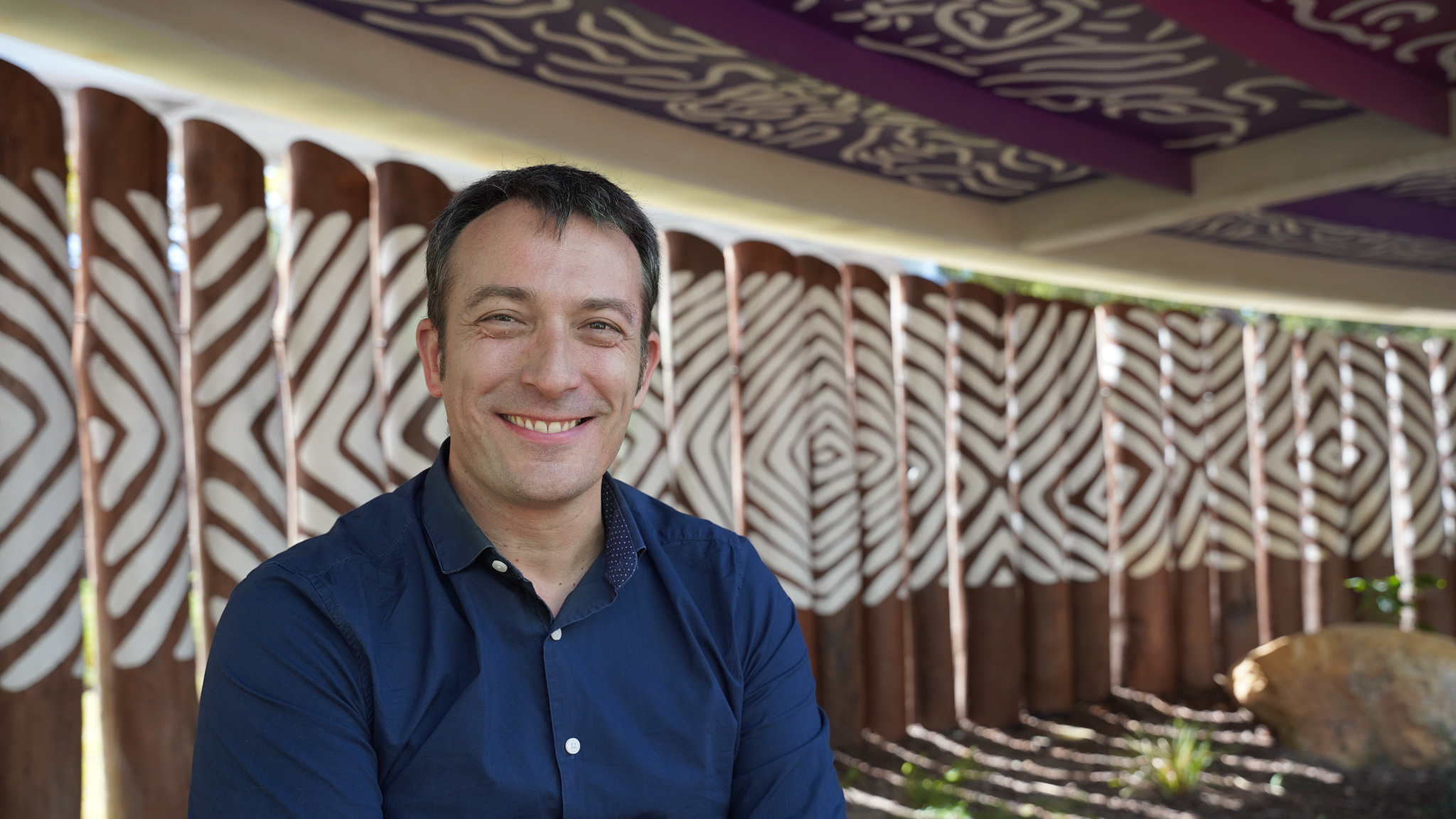
Dr Sébastien Malinge has received a Stan Perron Charitable Foundation Research Fellowship for his pioneering research, which is paving the way for safer, targeted therapies for children with hard-to-treat leukaemia
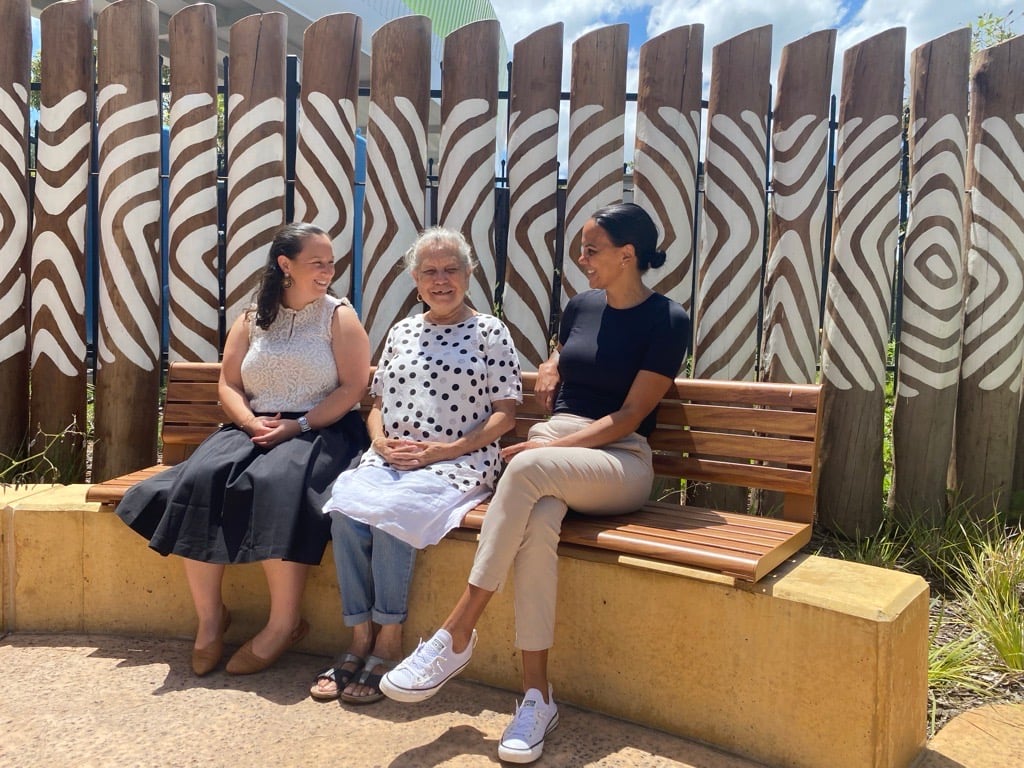
A first of its kind research program at The Kids Research Institute Australia aims to develop new strategies to better treat First Nations children with cancer.