
Search
An estimated half of all children with cerebral palsy also have comorbid intellectual disability, the domains of QOL for these children are not well understood
This study aimed to validate measures of sedentary time in individuals with Rett syndrome.

Improving the lives of children with a disability and their families sits at the core of our team.

Video technology is helping researchers learn more about the early communication style of infants with a family history of autism, ADHD or intellectual disability.
A severe neurodevelopmental disorder mostly affecting girls.

While individual diseases are rare, as a group, rare diseases are common. Recent estimates suggest that between 3% and 6% of the world’s population are affected by rare disease.
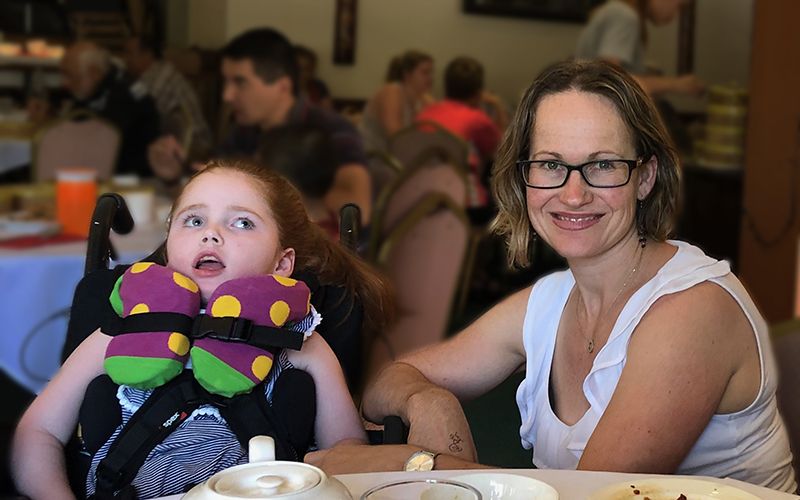
Children with intellectual disability who underwent gastrostomy – a feeding tube placed into the stomach – had better overall health and fewer hospitalisations for all causes except acute respiratory illnesses, research led by The Kids Research Institute Australia has found.
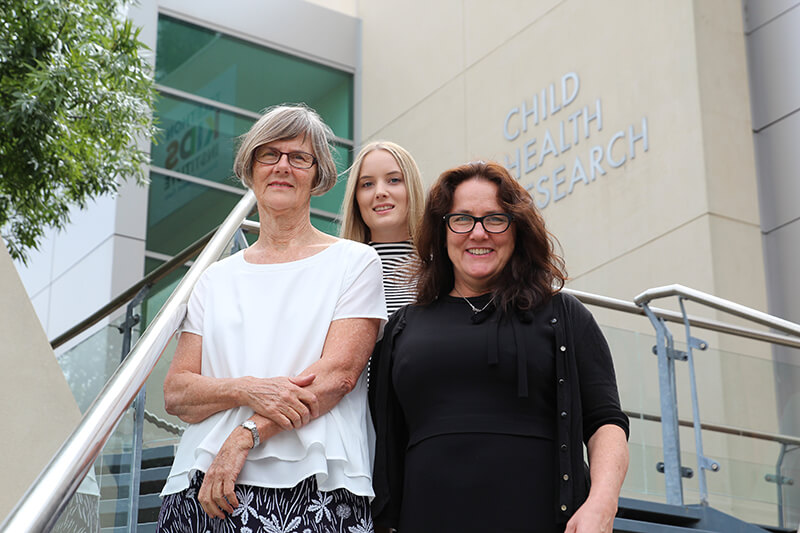
Nine out of ten incarcerated youth examined by The Kids researchers as part of a ground-breaking study had some form of neuro-disability.
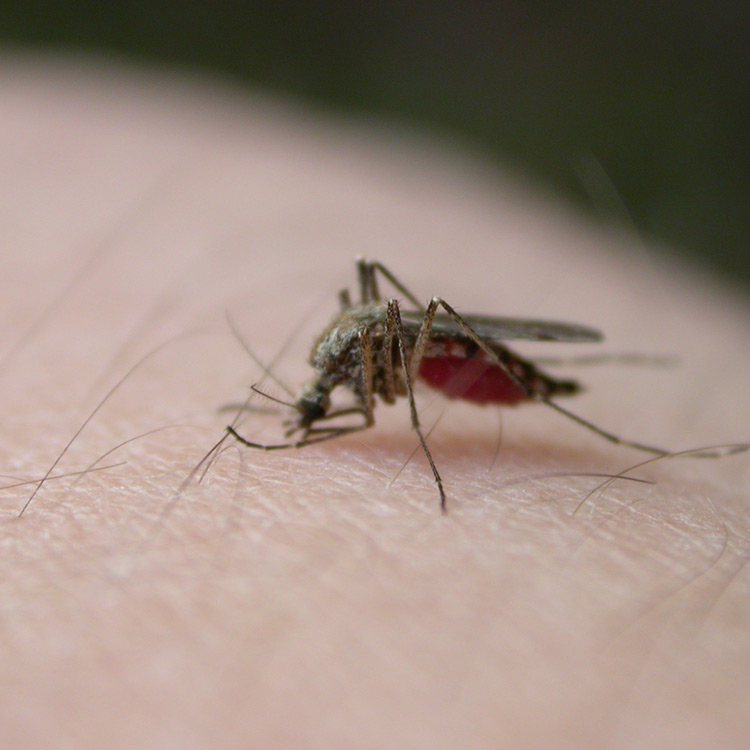
WA Researchers have conducted an Australian-first study to determine the prevalence of microcephaly, in preparation of any future outbreak of the Zika virus.

A new study has found children with disabilities are 3 times more likely to be maltreated compared to other children but that risk varies by type of disability.