
Search
The association between scabies and skin sores is highly significant and indicates a causal relationship
The functional effects of increased ERBB4 activation identify ERBB4 as a potential prognostic and therapeutic target
The concept of planetary health emphasizes that human health is intricately connected to the health of natural systems within the Earth's biosphere
We describe a cost-effective tag single nucleotide polymorphism approach using a multiplexed genotyping assay with mass spectrometry
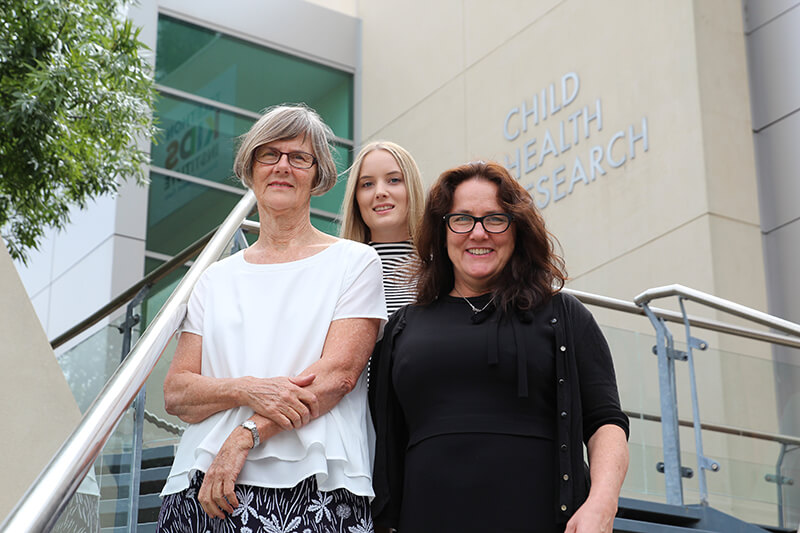
Nine out of ten incarcerated youth examined by The Kids researchers as part of a ground-breaking study had some form of neuro-disability.
The Kids Research Institute Australia researchers have confirmed that skin infections in many Aboriginal children across northern Western Australia are going unrecognised.
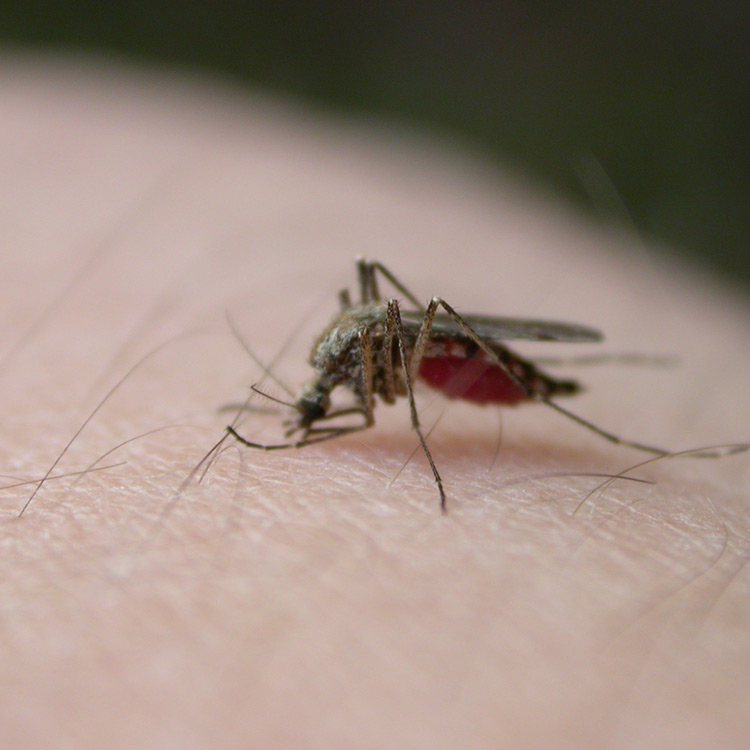
WA Researchers have conducted an Australian-first study to determine the prevalence of microcephaly, in preparation of any future outbreak of the Zika virus.
Studies addressing the ontogeny of the innate immune system in early life have reported mainly on Toll-like receptor (TLR) responses in infants living in...
Complement is an important part of the immune system. It is initiated through three different pathways known as the classical, lectin, and alternative pathway.
The aim of this study was to explore associations between severe respiratory infections and atopy in early childhood with persisting wheeze and asthma.