
Search
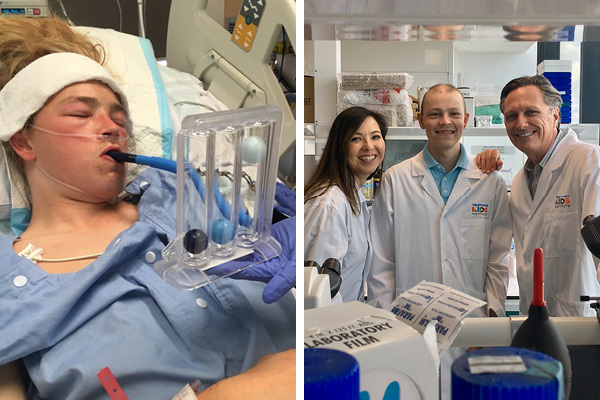
Baxter Hutchinson was diagnosed with two life-threatening brain tumours a year ago, aged 17. Since then he has undergone surgery, radiotherapy and chemotherapy in his journey to beat the cancer.
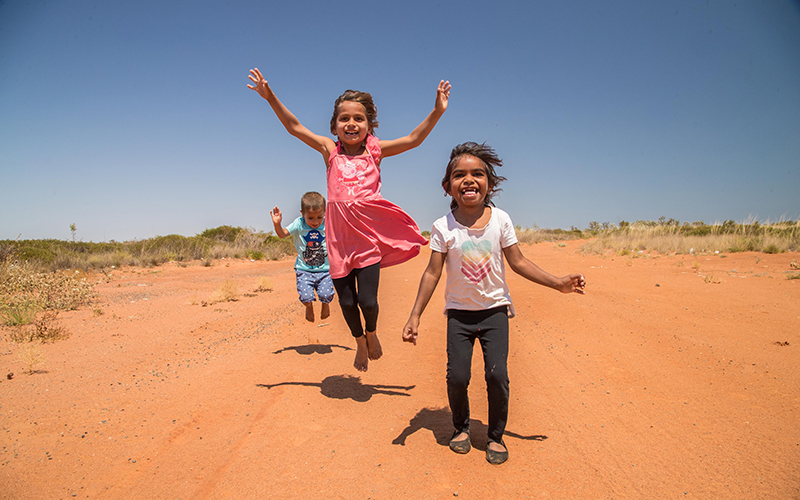
BHP has announced a $20 million commitment to Telethon over the next five years to fund a world-first research partnership with Aboriginal families in the Pilbara and Perth.
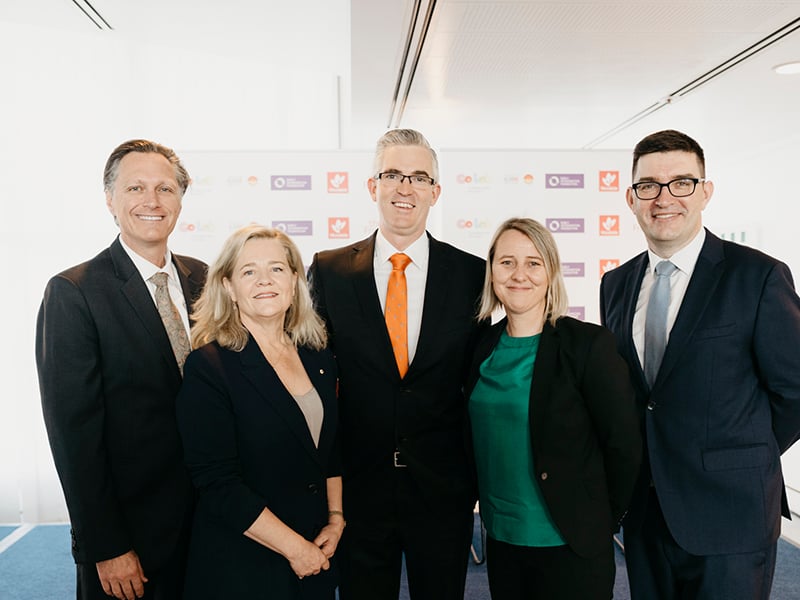
The first major national study into the cost of providing late intervention services to children and young people has called for smarter and wiser expenditure to ensure children receive vital support services at a much earlier stage.
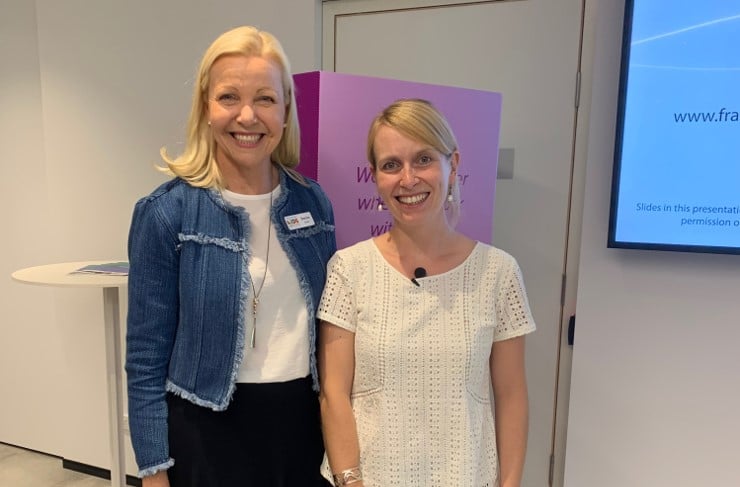
The nuanced message conveys the foundational importance of child development in the early years but avoids triggering concerns there are no opportunities to intervene at a later age.

The integration of multi-omics approaches with clinical research will be, without doubt, a cornerstone of future innovation in medical practice.
Meet the speakers Prof. Bob Hancock Title: Canada Research Chair in Health and Genomics; Director, Centre for Microbial Diseases and Immunity
Symposium Sundowner Date: Monday, 11th November Time: 5-7pm Venue: The Winter Garden & Collegiate Lounge, Level 5 Perth Children’s Hospital Join us
Registration Details about Registration When you register you will be asked to register for both the two-day auditorium presentations on days one and

A new study has highlighted the positive impact dog ownership has on our mental health.
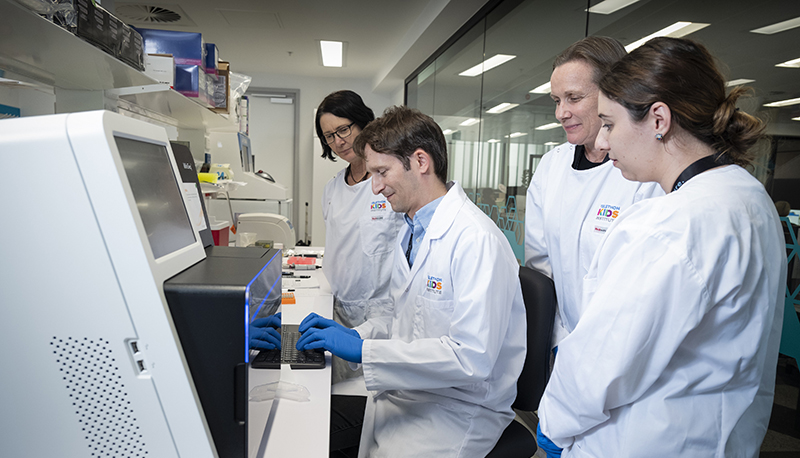
Researchers at The Kids Research Institute Australia working to provide confident diagnoses for children suffering from rare diseases have created a new computer algorithm to help pinpoint the mutations responsible for the conditions.