
Search
Showing results for " https://www.galaxus.ch/en/sector/showdiscussion/hacking-snap-visit-kunghaccom-yv6qjkq1-222072"
Language in Little Ones (LiLO) is a research study conducted by the Fraser Mustard Centre, investigating language interaction with infants and toddlers.
Impetigo is a contagious skin disease caused by Staphylococcus aureus and Streptococcus pyogenes. Without treatment, impetigo may be recurrent, develop into severe disease, or have serious, life-threatening sequelae. Standard treatment consists of topical or systemic antibiotic therapy (depending on severity), however, due to antibiotic resistance some therapies are increasingly ineffective.
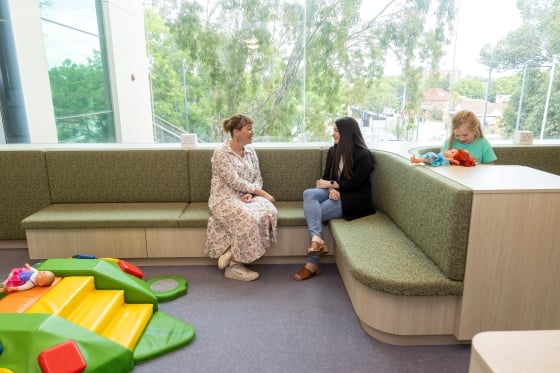
In this blog, Occupational Therapy Clinical Lead Marie Rodatz discusses the elements needed to create a neuro-affirming environment that supports neurodiverse individuals.

A decade long partnership with Wesfarmers Ltd. and the Wesfarmers Centre of Vaccines and Infectious Diseases has led to world-class paediatric research and important collaborations fuelling the Centre’s trajectory towards easing the burden of infectious diseases.
Apache Energy and the Telethon Institute for Child Health Research today signed a two-year partnership
Staphylococcus aureus bacteremia (SAB) is the most common cause of childhood sepsis contributing to pediatric intensive care unit admission. The cost of adult SAB hospitalization is well described globally, but limited costing information is available for children. To bridge this knowledge gap, we investigated the cost of hospitalization in children with SAB in Australia.
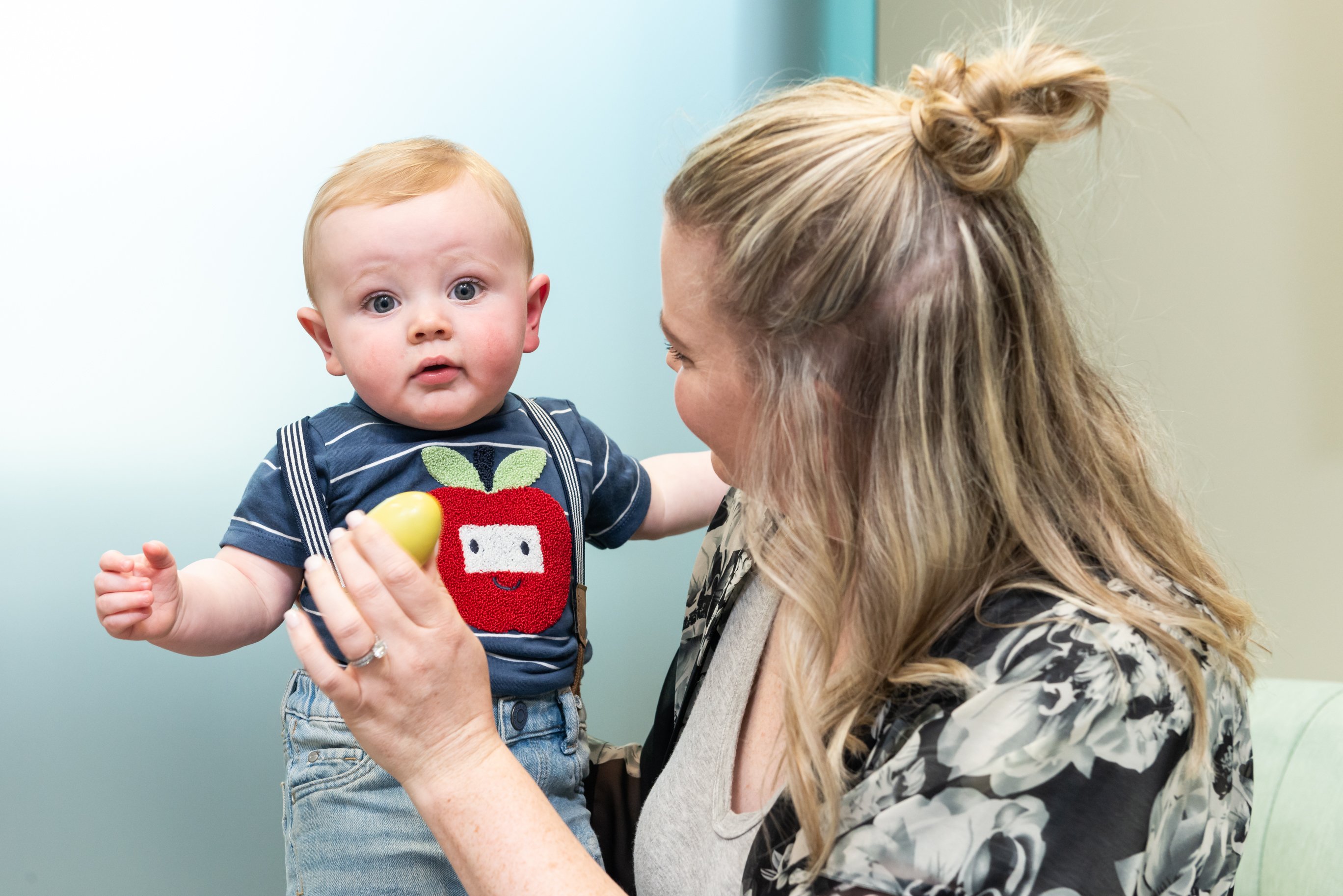
Inklings is a new program for babies aged 6-18 months who are showing early differences in their social interaction and communication development.
From 1 January 2020 to 31 December 2021, thirty-eight institutions across Australia submitted data to the Australian Group on Antimicrobial Resistance (AGAR) from patients aged < 18 years (AGAR-Kids). Over the two years, 1,679 isolates were reported from 1,611 patients. This AGAR-Kids report aims to describe the population of children and adolescents with bacteraemia reported to AGAR and the proportion of resistant isolates.
Rising proportions of antimicrobial resistance (AMR) have been observed in both Staphylococcus aureus and Enterococcus spp. isolates.
Between January 2022 and December 2023, there were 1,827 bloodstream infection (BSI) isolates in 1,745 children and adolescents reported to the Australian Group on Antimicrobial Resistance (AGAR) surveillance outcome programs, with 40% of episodes in children aged < 12 months.