
Search
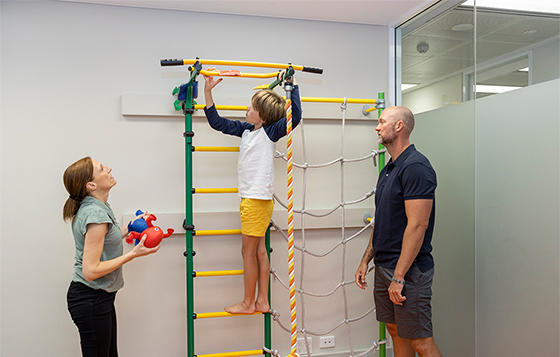
In this blog, Curtin University Occupational Therapy students Julia Walker and Mandy Bull delve into the history of Occupational Therapy in Australia.

In this new blog, Senior Speech Pathologist Marisa Di Lorenzo discusses Augmentative and Alternative Communication and how it supports every individual’s access to the basic right of communication.
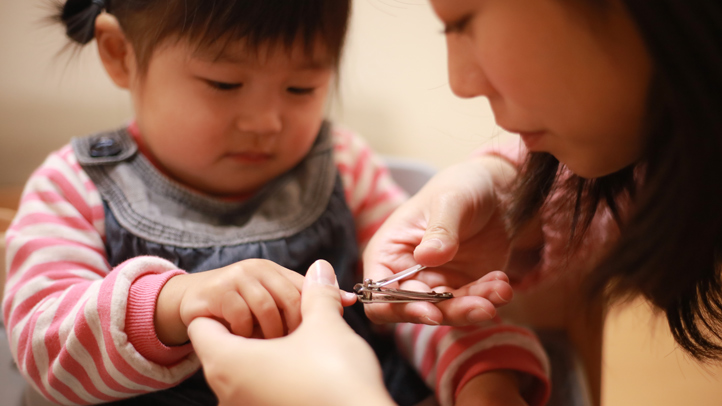
In this blog, Curtin University Occupational Therapy student Julia Than discusses how to make nail care an important part of a child's self-care routine.
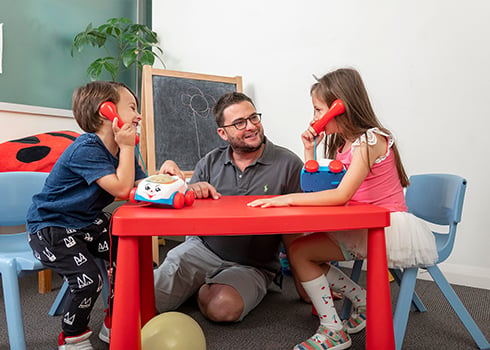
In this blog, Therapy Assistant and JASPER Practitioner Storme-Louisa Will offers some tips for promoting authentic and enjoyable play.
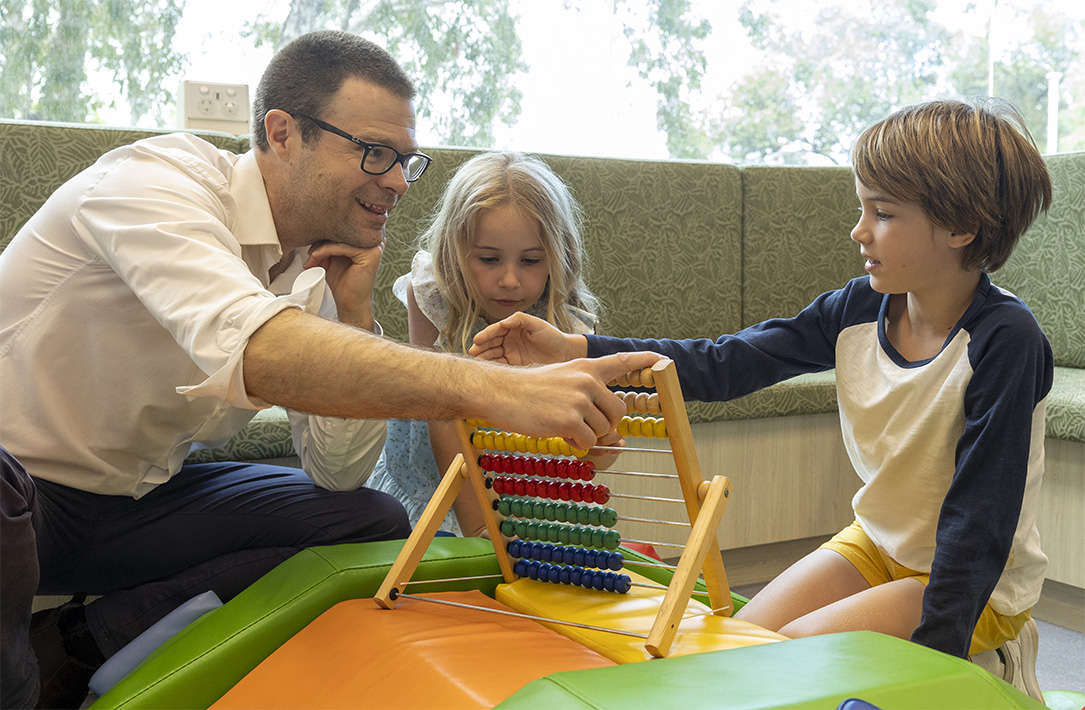
Professor Andrew Whitehouse recently spoke with ABC Perth’s Geoff Hutchison and Andrea Burns, Postgraduate Broadcasting Academic at ECU, for their ‘What Just Happened?’ segment which involves sitting down with a prominent Perth figure to get a sense of their life story and what matters most to them.

In this blog, Speech Pathology Clinical Lead Aria May discusses serve and return interactions to promote connection and communication with your child.
See our full catalogue of news and events.
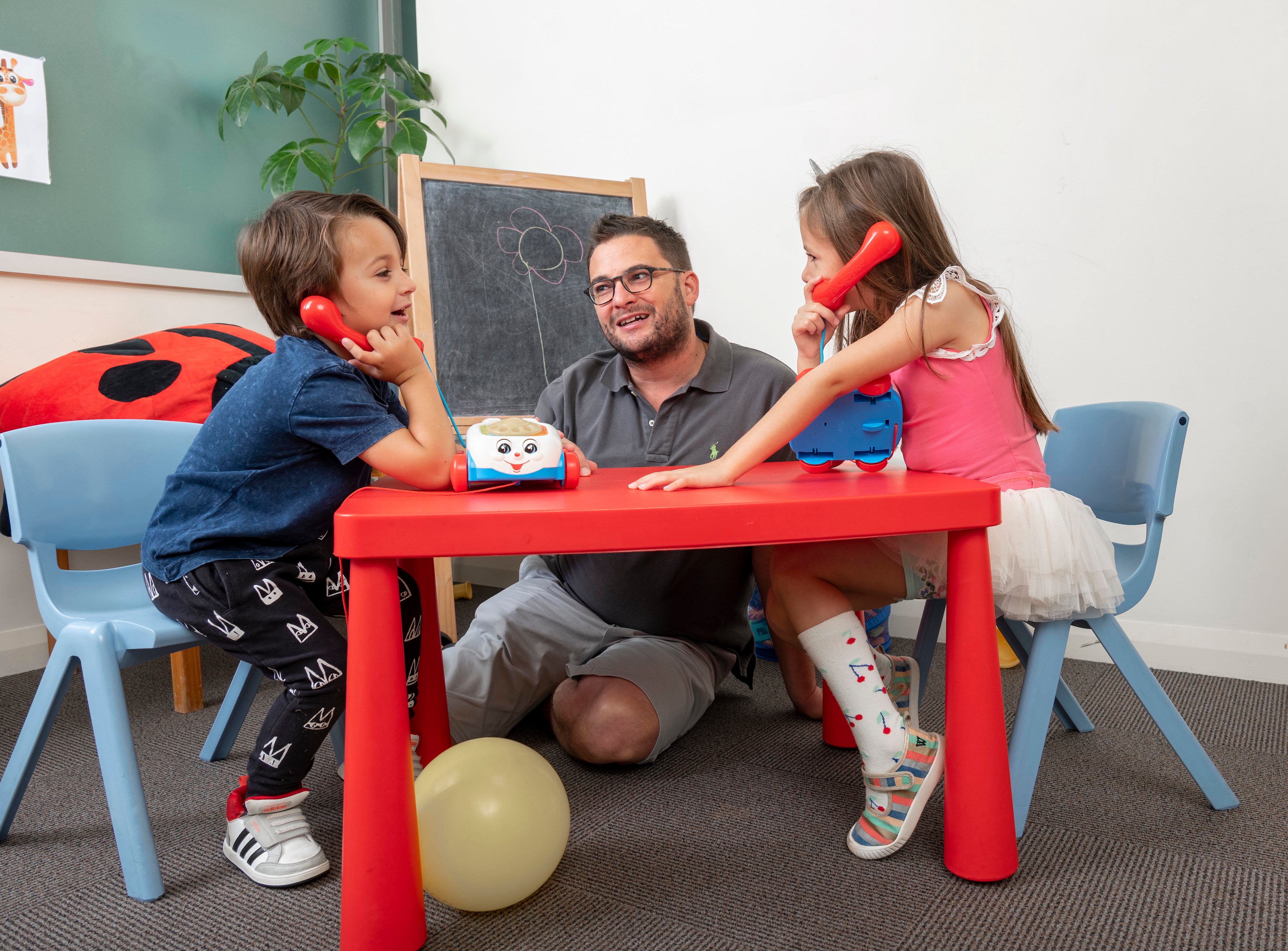
This is the second blog in our new series about what play is and its importance.
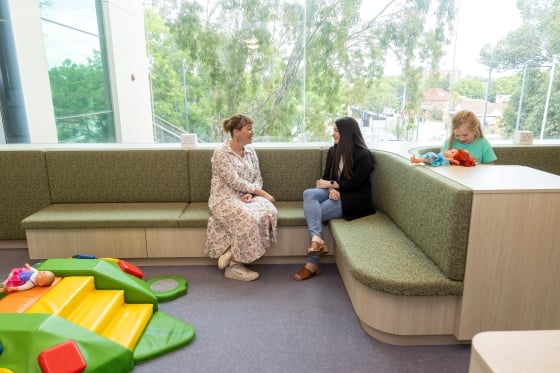
In this blog, Occupational Therapy Clinical Lead Marie Rodatz discusses the elements needed to create a neuro-affirming environment that supports neurodiverse individuals.
Neurodiversity refers to the different ways that people experience and interact with the world around them. Each person’s brain works differently, meaning no two brains are the same.