
Search
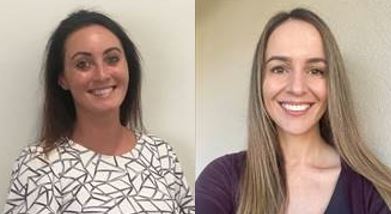
To meet the growing demand for clinical psychology services, as well as provide education and awareness of autism best practice for clinical psychologists, CliniKids is helping to develop and train the next generation of mental health practitioners.
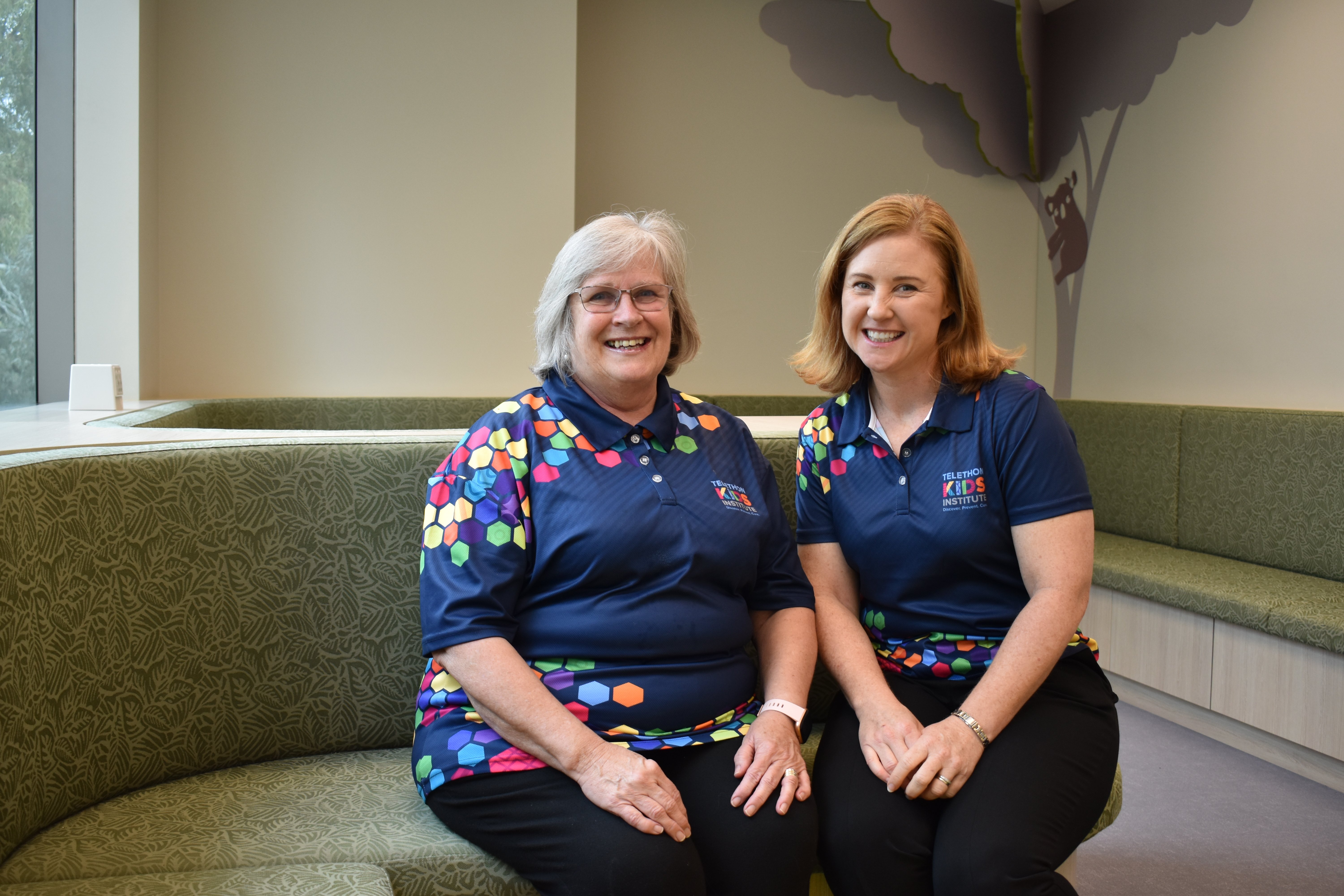
CliniKids recently welcomed Gayle, Tarryn and Emma to the clinical team. The clinicians will be located out our new Joondalup clinic, which will be welcoming families in Term 4.

The Kids Research Institute Australia’s CliniKids and Griffith University are excited to announce a new partnership which will help to grow autism research in Australia.
See our full catalogue of news and events.

Our NDIS audit was completed late February, resulting in continued registration for CliniKids as a NDIS service provider.
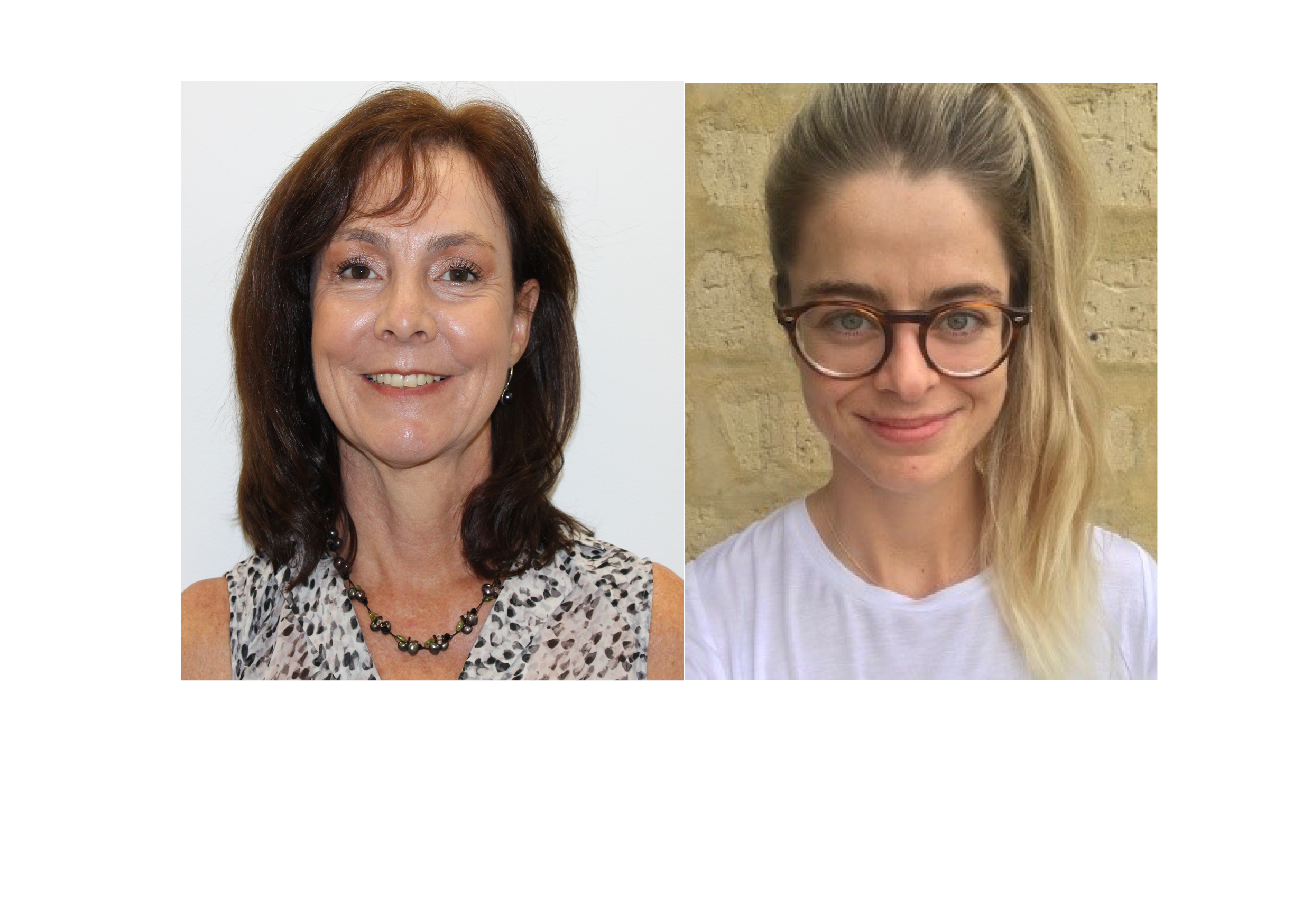
There are two new faces at CliniKids, Theresa, our new Clinical Services Manager and Ally, our new Occupational Therapist.
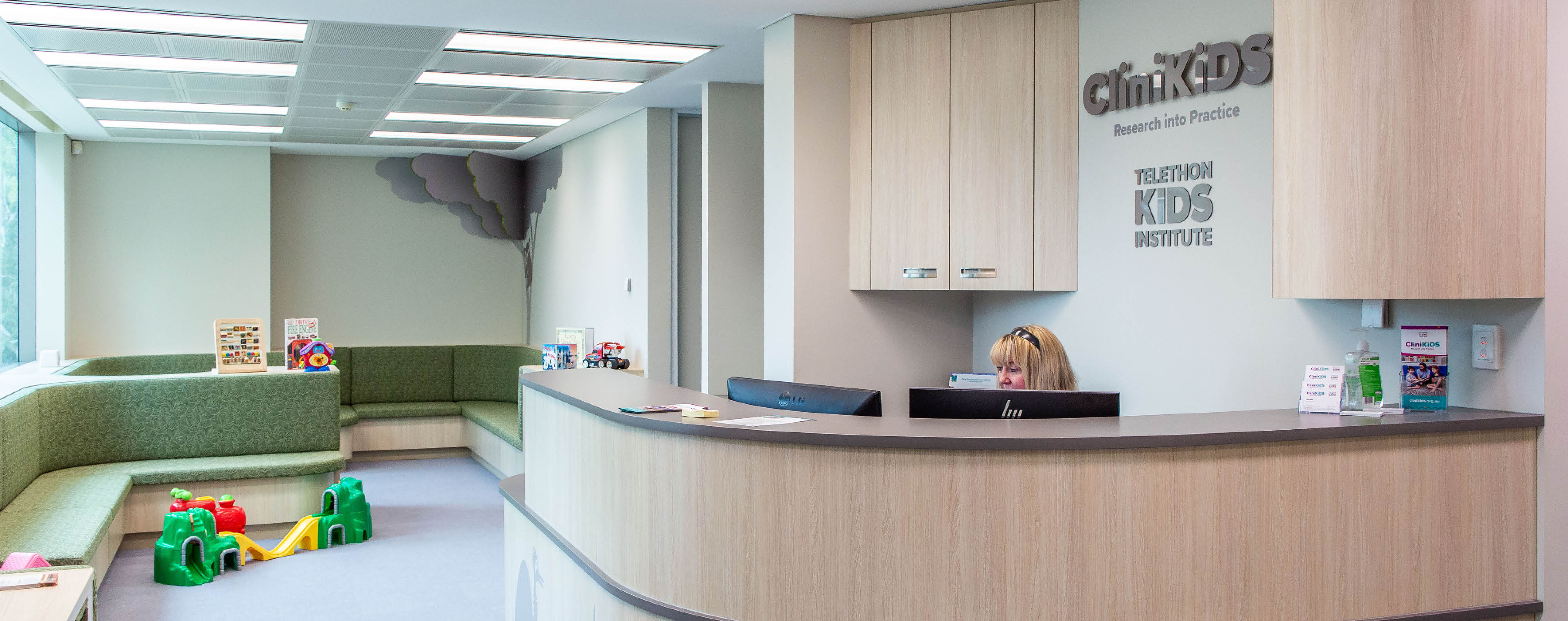
Stay updated with the latest news and events from Clinikids in December 2021, focusing on child health innovations and community engagement. Explore more now!
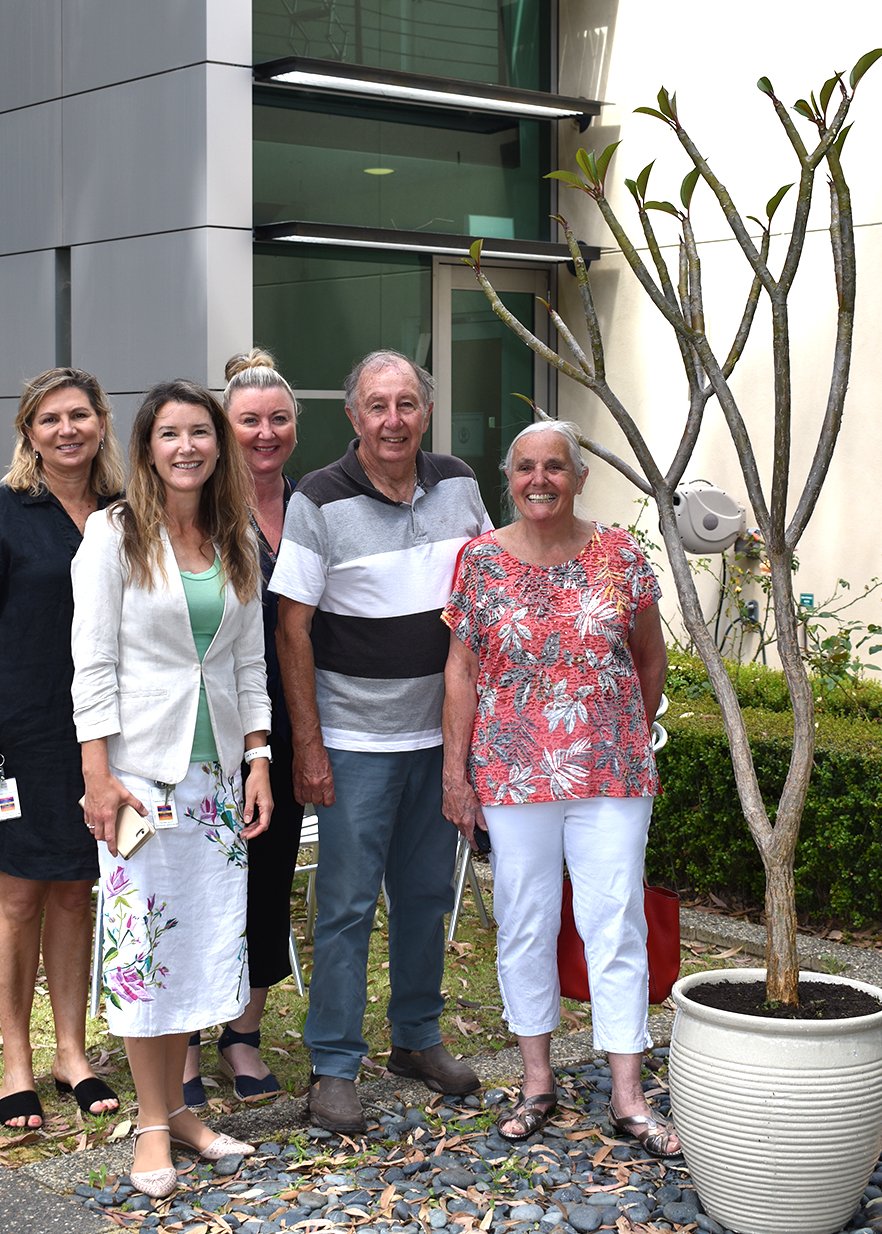
Thank you to Dave and Marieke Taylor of the Rotary Club of Scarborough who have donated a frangipani tree from their own garden to CliniKids to honour our late colleague, Kate Sorensen.

Professor Andrew Whitehouse and his research collaborators in the UK and Melbourne have teamed up to write a great article on the recent findings of the AICES (Australian Infant Communication and Engagement Study) for The Conversation.
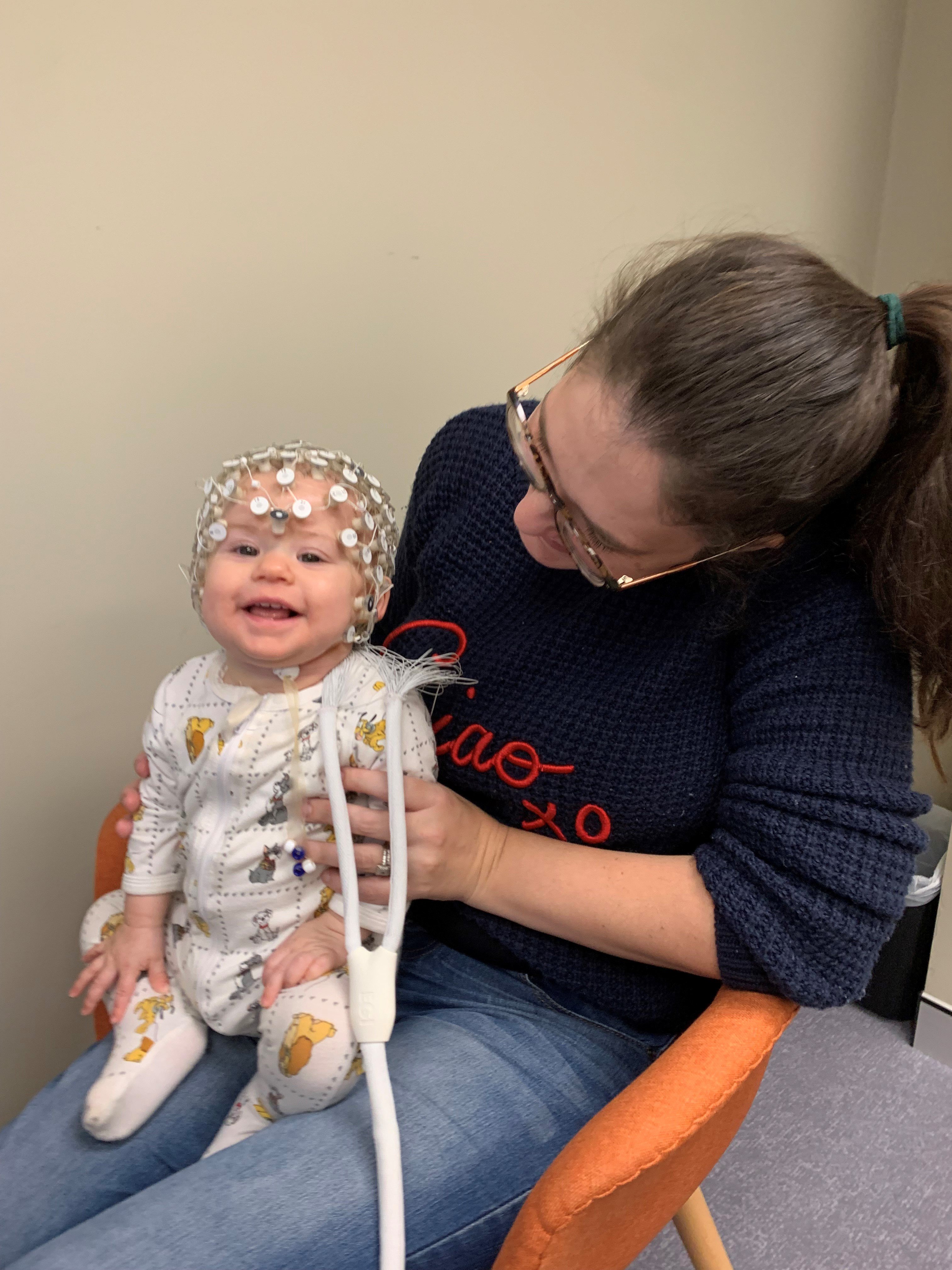
Baby Audrey is involved in the Cub Study at CliniKids.