Skip to content

Search

Increasing incidence of invasive group A streptococcal disease in Western Australia, particularly among Indigenous people

The incidence of invasive GAS disease in WA increased between 2000 and 2018, particularly among Indigenous Australians. Mandatory notification of invasive GAS disease would therefore be appropriate. The social determinants of differences in incidence should be addressed, and other relevant host, pathogen, and health system factors investigated.

Rheumatic heart disease in Indigenous young peoples

Indigenous children and young peoples live with an inequitable burden of acute rheumatic fever and rheumatic heart disease. In this Review, we focus on the epidemiological burden and lived experience of these conditions for Indigenous young peoples in Australia, New Zealand, and Canada. We outline the direct and indirect drivers of rheumatic heart disease risk and their mitigation.

Formative evaluation of a community-based approach to reduce the incidence of Strep A infections and acute rheumatic fever

We explore the acceptability of a novel, outreached-based approach to improve primary and primordial prevention of Strep A skin sores, sore throats and acute rheumatic fever in remote Aboriginal communities. A comprehensive prevention program delivered by trained Aboriginal Community Workers was evaluated using approximately fortnightly household surveys about health and housing and clinical records.

Rheumatic Heart Disease Control Programs, Registers, and Access to Care

This chapter outlines the evidence and evolution of RHD control programs and draws conclusions about priorities following the 2018 World Health Organization Global Resolution on rheumatic fever and RHD.

Preventing RHD through community-driven activities

Health activities driven by remote Indigenous communities may be key to the sustainable and successful treatment and prevention of a potentially fatal disease, a study has found.
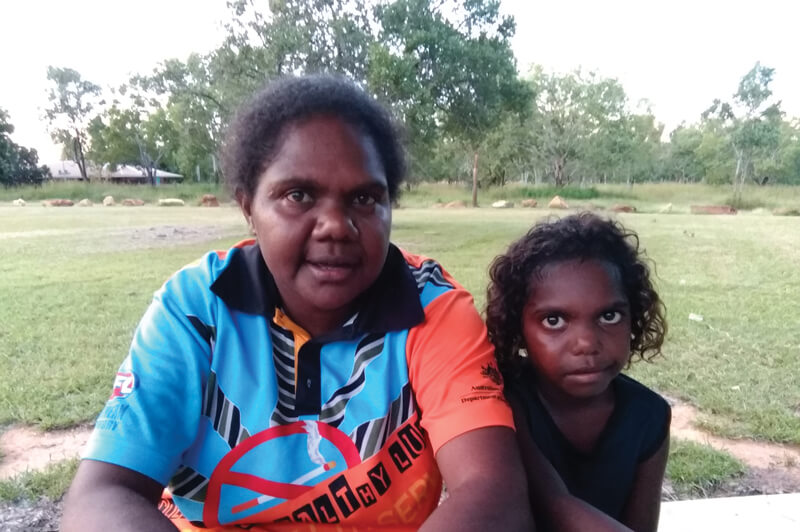
New RHD research collaboration with Danila Dilba Health Service

The Kids Research Institute Australia and Menzies School of Health Research have joined forces with Danila Dilba Health Service to look at improving treatment for RHD.
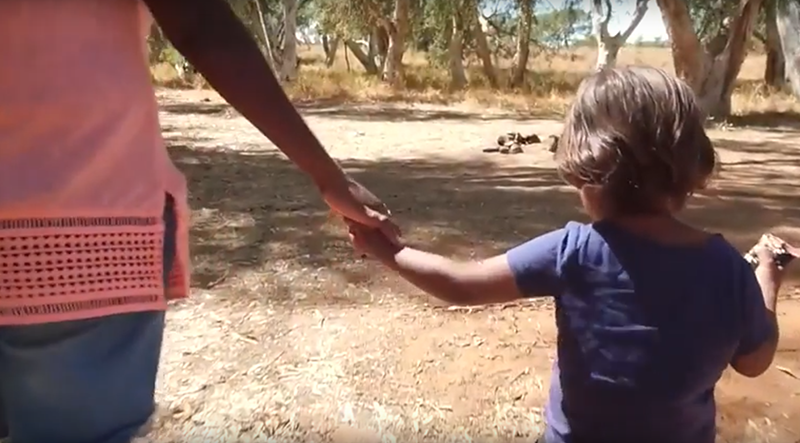
Hearing loss in Australian First Nations children at 6-monthly assessments from age 12 to 36 months: Secondary outcomes from randomised controlled trials of novel pneumococcal conjugate vaccine schedules

In Australian remote communities, First Nations children with otitis media (OM)-related hearing loss are disproportionately at risk of developmental delay and poor school performance, compared to those with normal hearing. Our objective was to compare OM-related hearing loss in children randomised to one of 2 pneumococcal conjugate vaccine (PCV) formulations.

Urgent action needed to stop 500 preventable deaths

A new report predicts rheumatic heart disease (RHD) will lead to over 500 preventable deaths and cost the Australian health system $317 million by 2031 if no further action to tackle the disease is taken.

Lack of effectiveness of 13-valent pneumococcal conjugate vaccination against pneumococcal carriage density in Papua New Guinean infants

Papua New Guinea (PNG) introduced the 13-valent pneumococcal conjugate vaccine (PCV13) in 2014, with administration at 1, 2, and 3 months of age. PCV13 has reduced or eliminated carriage of vaccine types in populations with low pneumococcal carriage prevalence, carriage density and serotype diversity.

End Rheumatic Heart Disease Centre of Research Excellence

The END RHD CRE is producing a costed, step-wise strategy to end rheumatic heart disease (RHD) as public health priority in Australia.