
Search
Minority stress models and trauma-focused approaches have predominated our understanding and responses to health disparities among sexually and gender diverse (SGD) young people for more than 30 years. While the impacts and root causes of adversities are undoubtedly critical for promoting SGD health and well-being, it is important to highlight strengths-based narratives of the lives of SGD youth.
Australian Aboriginal people experience stressors from inequalities across crucial social determinants, including deep and entrenched disadvantage and exclusion. The impact of unaddressed historical issues is pervasive and intergenerational. The disproportionate rates of Aboriginal youth suicide, juvenile detention and imprisonment highlight the inadequacy of existing social and emotional wellbeing programs and services for Aboriginal children and young people.
The school environment profoundly influences children's development, behaviours, and attitudes. This chapter delves into the relationship between school design and architecture, and their impact on bullying, victimisation, inclusivity, and student well-being. Research underscores the significant impact of school design on student social dynamics, advocating for collaborative efforts among stakeholders to craft effective anti-bullying policies.
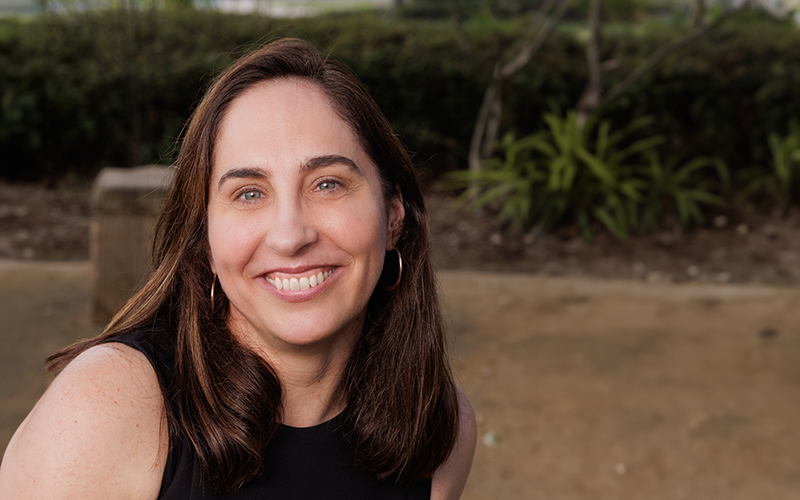
The Kids Research Institute Australia warmly welcomes youth mental health researcher Associate Professor Kathryn Modecki.
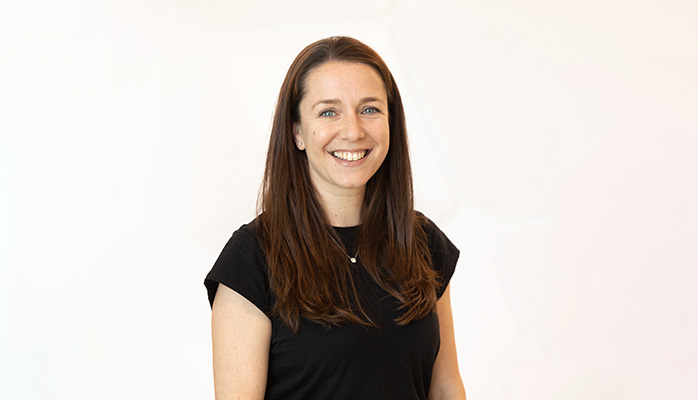
Congratulations to Head of Youth Mental Health at The Kids Research Institute Australia, Dr Yael Perry, who has received a Telstra Health 2023 Brilliant Women in Digital Health Award in recognition of her innovative use of technology to achieve positive mental health outcomes for marginalised young people.

Communities with poor access to mental health services are eight times more likely to be youth suicide hotspots, according to new The Kids Research Institute Australia research.
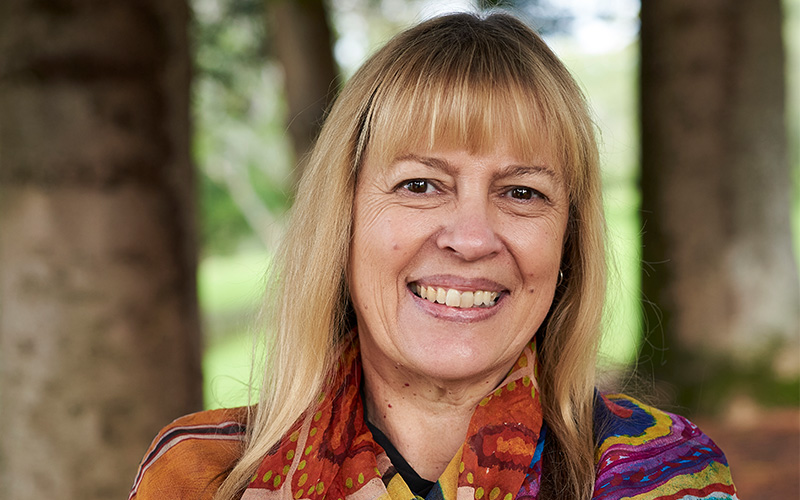
Prominent consultant psychiatrist and Western Australia’s 2021 Australian of the Year, Professor Helen Milroy AM, has been recognised as a Member of the Order of Australia (General Division).
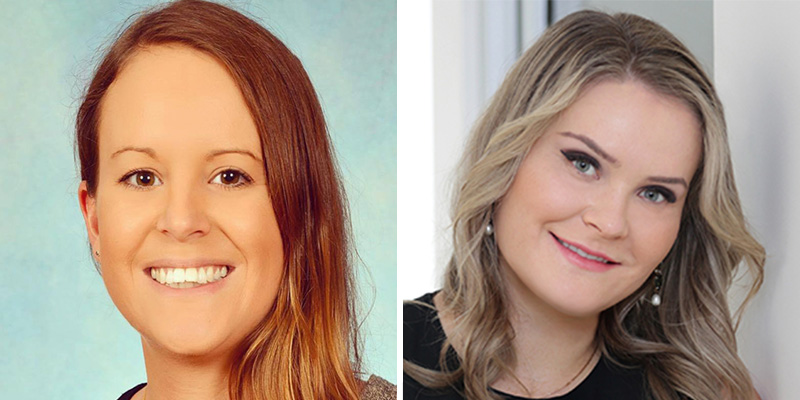
Two researchers focused on improving outcomes for children with chronic lung disease and averting suicide contagion and suicide clusters in young people have won prestigious Investigator Grants from the National Health and Medical Research Council.
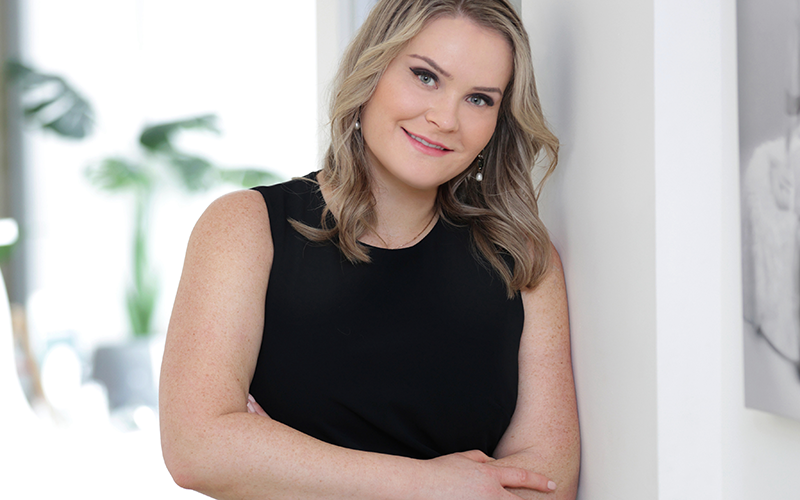
Congratulations Dr Nicole Hill, who has been honoured at this year’s prestigious 40under40 Awards for her outstanding contributions to suicide prevention research in Australia.
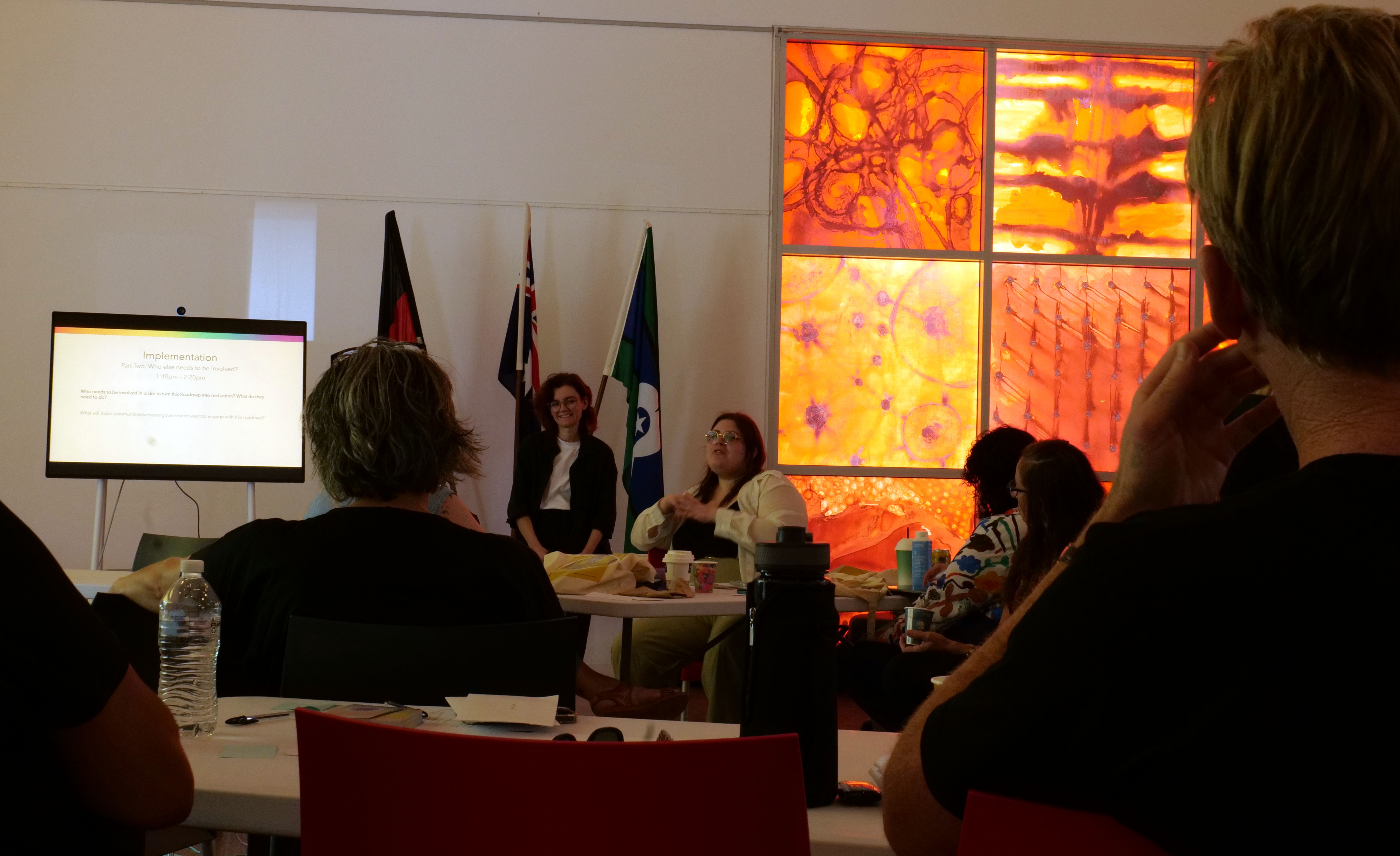
Walkern Katatdjin researcher and lead author Mx Shakara Liddelow-Hunt leads a conversation with the community on the key actions to include in the Roadmap.