
Search
Antimicrobial resistance poses a significant threat to children's health, with up to 20% of 1.27 million deaths attributable to bacterial AMR annually, occurring in children <5 years. The WHO 2024 Bacterial Priority Pathogens List identifies methicillin-resistant Staphylococcus aureus (MRSA) and vancomycin-resistant Enterococcus faecium (VRE) as critical pathogens. This review examines the epidemiology, treatment recommendations, dosing strategies, efficacy, and safety data for antibiotics targeting MRSA and VRE infections in children in Oceania.
To determine age-specific and age-standardised incidence trends of acute rheumatic fever (ARF) or rheumatic heart disease (RHD) among Indigenous Western Australians aged less than 35 years of age.
In 2024, the government of Western Australia introduced 'nirsevimab', a monoclonal antibody offering protection from respiratory syncytial virus (RSV), for eligible infants. This study explores why parents of infants who were eligible to receive nirsevimab opted to decline or delay the immunisation.
Subcutaneous delivery of antibiotics is a practical alternative to intravenous administration. Ceftriaxone is commonly used for a variety of infections with limited data on the safety and pharmacokinetics of a 2 g subcutaneous dose. This was a prospective, self-controlled cross-over study in 20 stable inpatients receiving ceftriaxone for their infection. Following an intravenous dose, participants received a single dose of 2 g subcutaneous ceftriaxone, in 50 mL normal saline via gravity feed.
Following a relative absence in winter 2020, a large resurgence of respiratory syncytial virus (RSV) detections occurred during the 2020/2021 summer in Western Australia. This seasonal shift was linked to SARS-CoV-2 public health measures. We examine the epidemiology and RSV testing of respiratory-coded admissions, and compare clinical phenotype of RSV-positive admissions between 2019 and 2020.
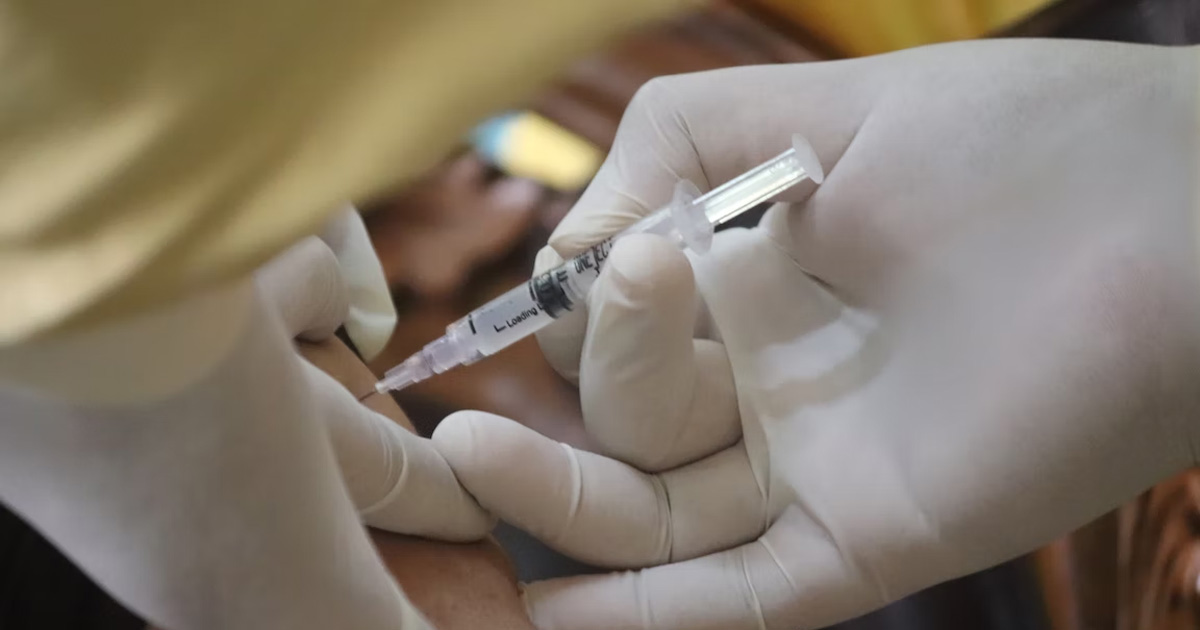
A The Kids Research Institute Australia study has suggested the seasonal flu vaccine for children could also protect them from respiratory syncytial virus (RSV), with the dual benefit easing pressure on hospitals.

A surge in invasive group A streptococcal reports in Australia has prompted The Kids Research Institute Australia researchers to call for a unified national public health response, with cases tipped to increase.

An international study examining Covid-19 severity on hospitalised children and adolescents has found that as the virus became more infectious, intensive care admissions dropped across multiple age groups regardless of vaccination status.

Parents of babies in Perth and Adelaide are being urged to take part in a landmark study to examine the best ways to keep their child safe from influenza this winter, amid a surge in serious infections.
People living with hepatitis C in WA are being urged to take part in a new project, aimed at encouraging the take-up of treatment.