
Search
Showing results for " https://www.galaxus.ch/en/sector/showdiscussion/hacking-snap-visit-kunghaccom-yv6qjkq1-222072"
Adolescent birth rates in Lao People's Democratic Republic (PDR) remain the highest in Southeast Asia. There is growing recognition that adolescent pregnancy in Lao PDR is occurring within and outside marriage, but there is a lack of robust qualitative evidence to understand girls' pathways to adolescent pregnancy and contributing factors, especially outside of union (cohabitation or marriage).
The objective of this study was to investigate cardiometabolic health markers among Aboriginal adolescents aged 10-24 years and relationships with age, gender, and body composition.
Pacific youth (15–24 years) experience multiple challenges to realising their sexual and reproductive health and rights (SRHR). Climate-related disasters compound pre-existing social and health inequities, including for youth SRHR. Meaningful youth engagement is crucial to understand their risks and inform inclusive disaster responses.
Respiratory disease is a leading cause of hospitalisations in children with cerebral palsy (CP). Over 40% of individuals with CP are born preterm; however, the relationship between prematurity, CP and respiratory disease is unknown.
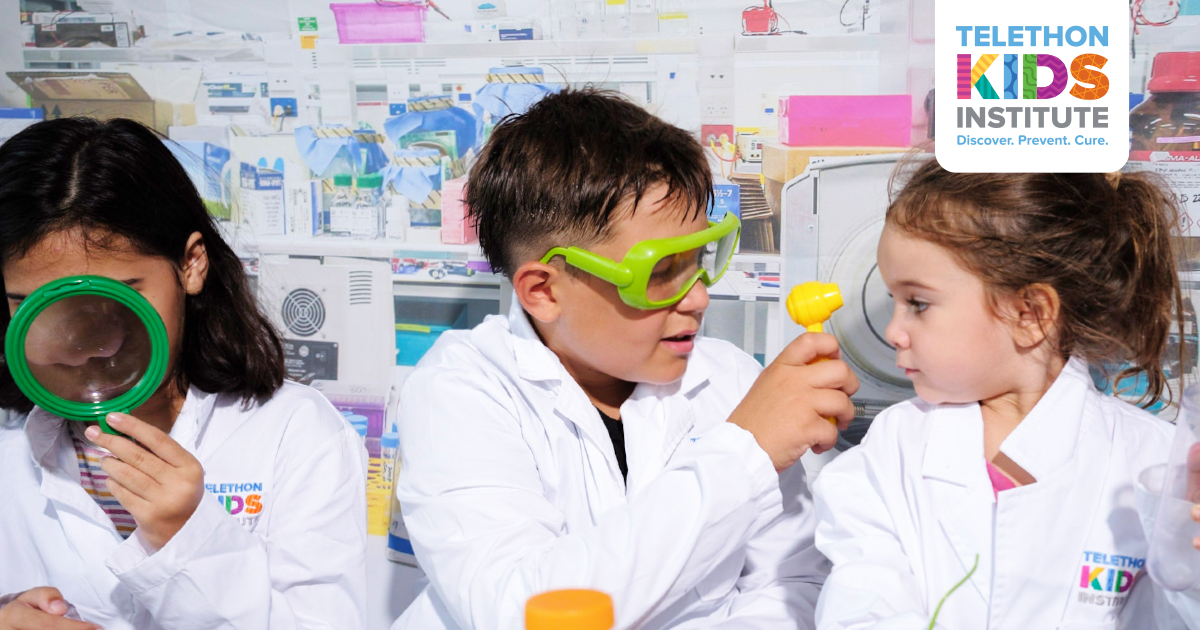
The Kids Research Institute Australia is bringing science to the Kimberley, with a series of free activities for children and families in Broome in the leadup to National Science Week.
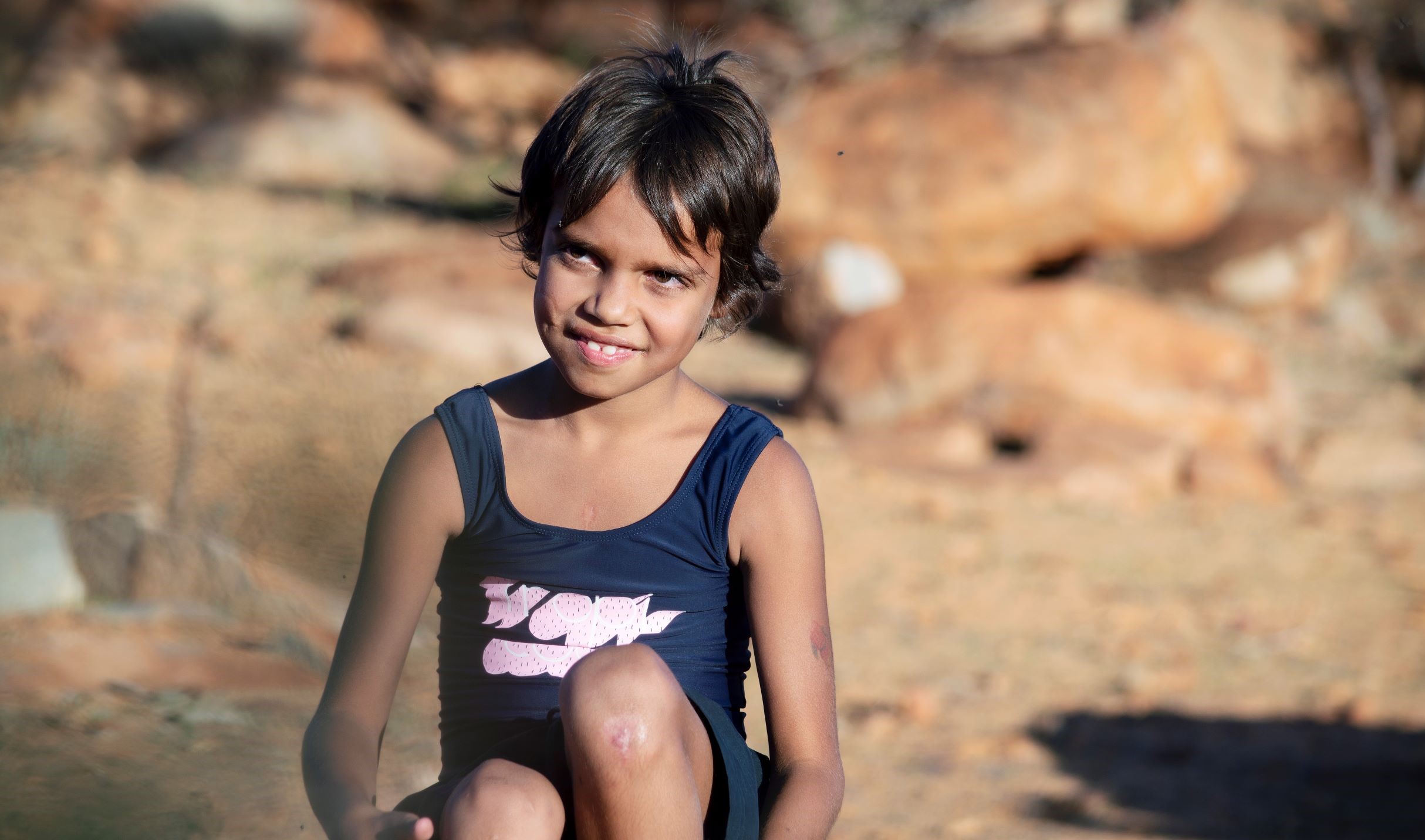
Five years of intensive collaboration between researchers, clinicians, Aboriginal Community Controlled Health Organisations, and government and non-government organisations have finally put the long-fought for goal of ending RHD within reach.
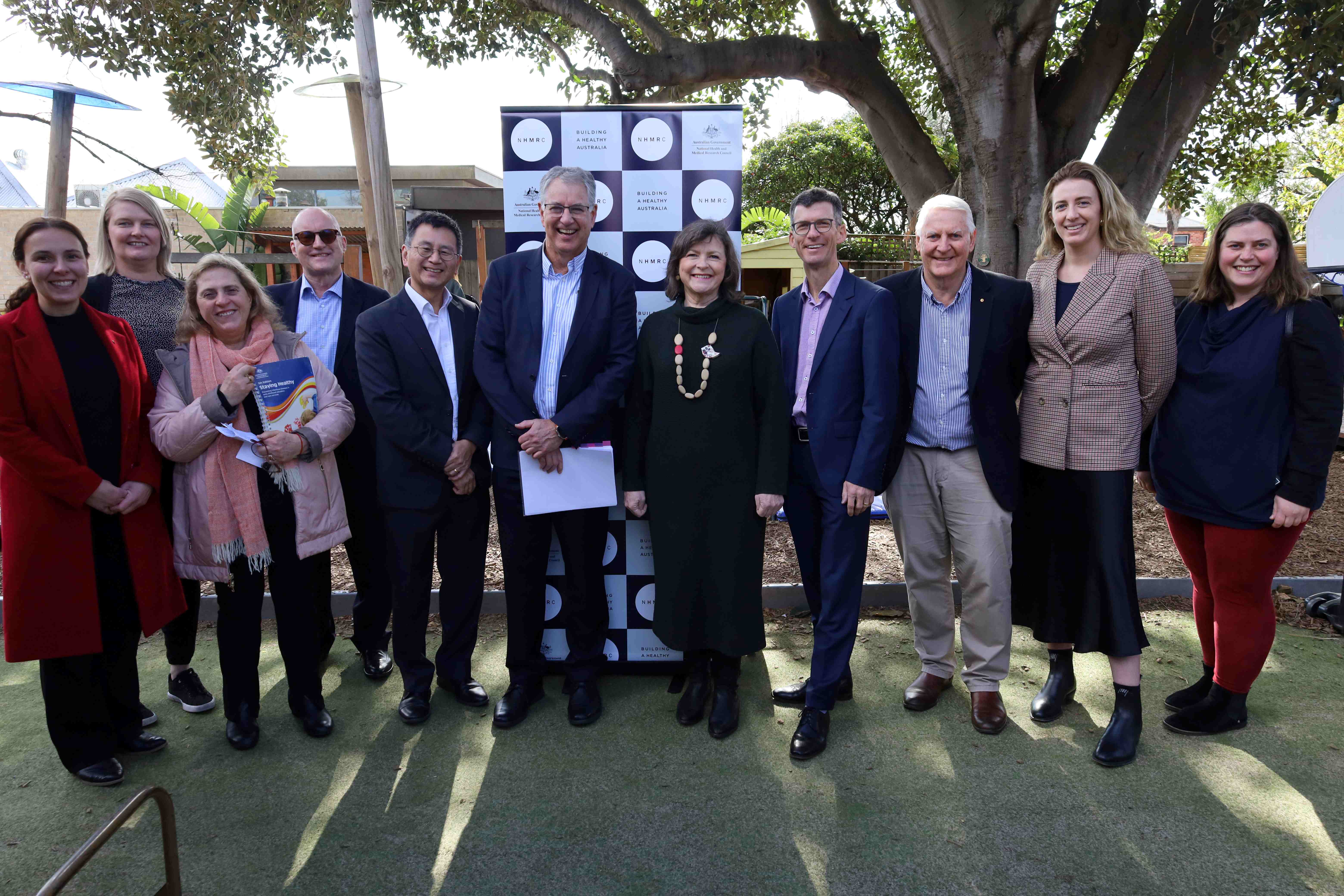
The National Health and Medical Research Council (NHMRC) has launched their sixth edition of Staying healthy: Preventing infectious diseases in early childhood education and care services in a bid to tackle the transmission of germs amongst young kids.
Bullying is now regarded as a health problem and not just a disciplinary problem. Increasing evidence shows both traditional bullying (e.g. hitting, teasing) and cyberbullying have lasting effects on young people (both those who bully and those who are bullied), including damage to self-esteem, academic results and mental health.

The Human Development and Community Wellbeing (HDCW) Team focuses on improving outcomes for children, family, and the community.
Neurodiversity refers to the different ways that people experience and interact with the world around them. Each person’s brain works differently, meaning no two brains are the same.