
Search

A Kimberley study seeking to better understand Strep A in remote settings is helping to guide new approaches to prevent acute rheumatic fever (ARF) – an auto-immune response that typically begins with a sore throat and causes high fever, tiredness and swollen joints.

Healthy skin is a vital factor in the fight against life-threatening conditions like sepsis, heart disease and kidney disease, all of which can be caused by the bacteria Strep A.

In a world where TikTok dances and Minecraft adventures take centre stage, kids are spending more time online than ever before.
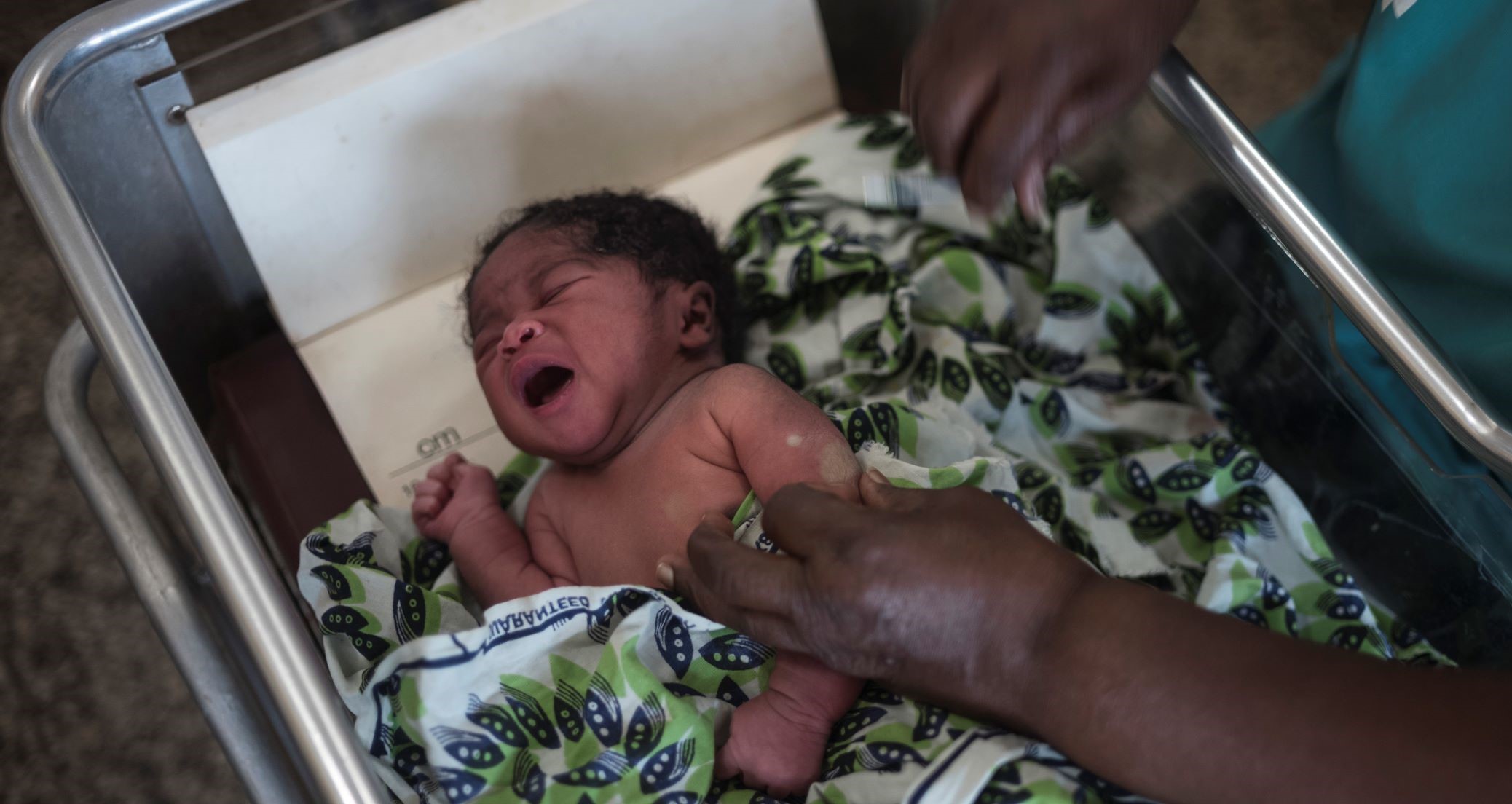
The veteran tuberculosis vaccine BCG has puzzled scientists for decades. Now, The Kids researchers have not only unlocked part of the secret to its success in saving the lives of newborns, but they’re at the forefront of global efforts to test its ability to fight COVID-19.
Not all children or teenagers identify with the gender they were assigned at birth. As a result, some may choose to change their name, their clothes or their body. With considerably higher rates of depression, anxiety, self-harm and attempted suicide, the need for specialist mental health services has been recognised.
Bacille Calmette-Guérin (BCG) vaccination has off-target (non-specific) effects that are associated with protection against unrelated infections and decreased all-cause mortality in infants. We aimed to determine whether BCG vaccination prevents febrile and respiratory infections in adults.
Respiratory syncytial virus (RSV) is the most common cause of acute lower respiratory infections in children worldwide. The highest incidence of severe disease is in the first 6 months of life, with infants born preterm at greatest risk for severe RSV infections.
Iron deficiency (ID) is the most common nutritional deficiency affecting young children. Serum ferritin concentration is the preferred biomarker for measuring iron status because it reflects iron stores; however, blood collection can be distressing for young children and can be logistically difficult. A noninvasive means to measure iron status would be attractive to either diagnose or screen for ID in young children.
Understanding how emerging infectious diseases spread within and between countries is essential to contain future pandemics. Spread to new areas requires connectivity between one or more sources and a suitable local environment, but how these two factors interact at different stages of disease emergence remains largely unknown.
Recent advances in paleogenomics have opened up new prospects for the study of ancient burial customs and social structures. In this note, we report on the first results of a program now under way in a small residential compound in Naachtun, Guatemala.