
Search
Following the end of winter, there has been a persistent absence of severe acute respiratory syndrome coronavirus 2 community transmission and no increase in influenza detections. Limited physical distancing measures have remained in place, with largely no restrictions on gathering sizes and no mandate for wearing masks.
Antifungal agents can have complex dosing and the potential for drug interaction, both of which can lead to subtherapeutic antifungal drug concentrations and poorer clinical outcomes for patients with haematological malignancy and haemopoietic stem cell transplant recipients. Antifungal agents can also be associated with significant toxicities when drug concentrations are too high.
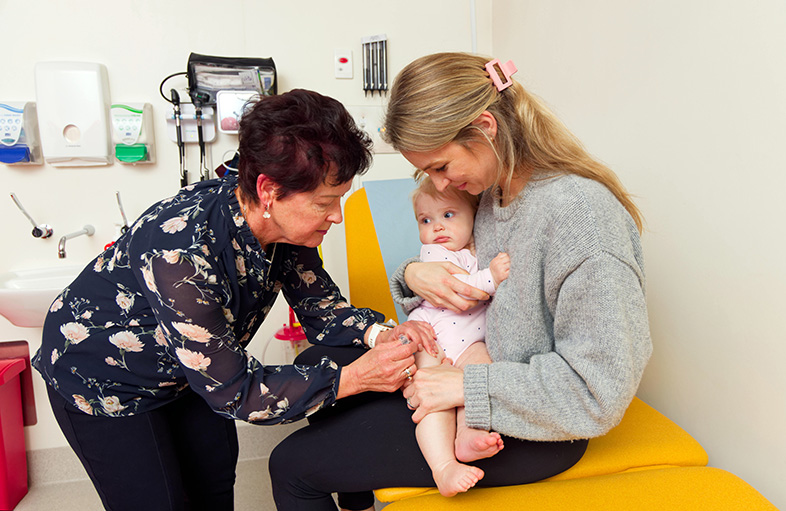
Aims to prevent, diagnose, and treat infectious diseases, with a strong focus on developing effective vaccines and improving immunity across populations. This theme addresses both emerging and persistent infections that impact children's health worldwide.
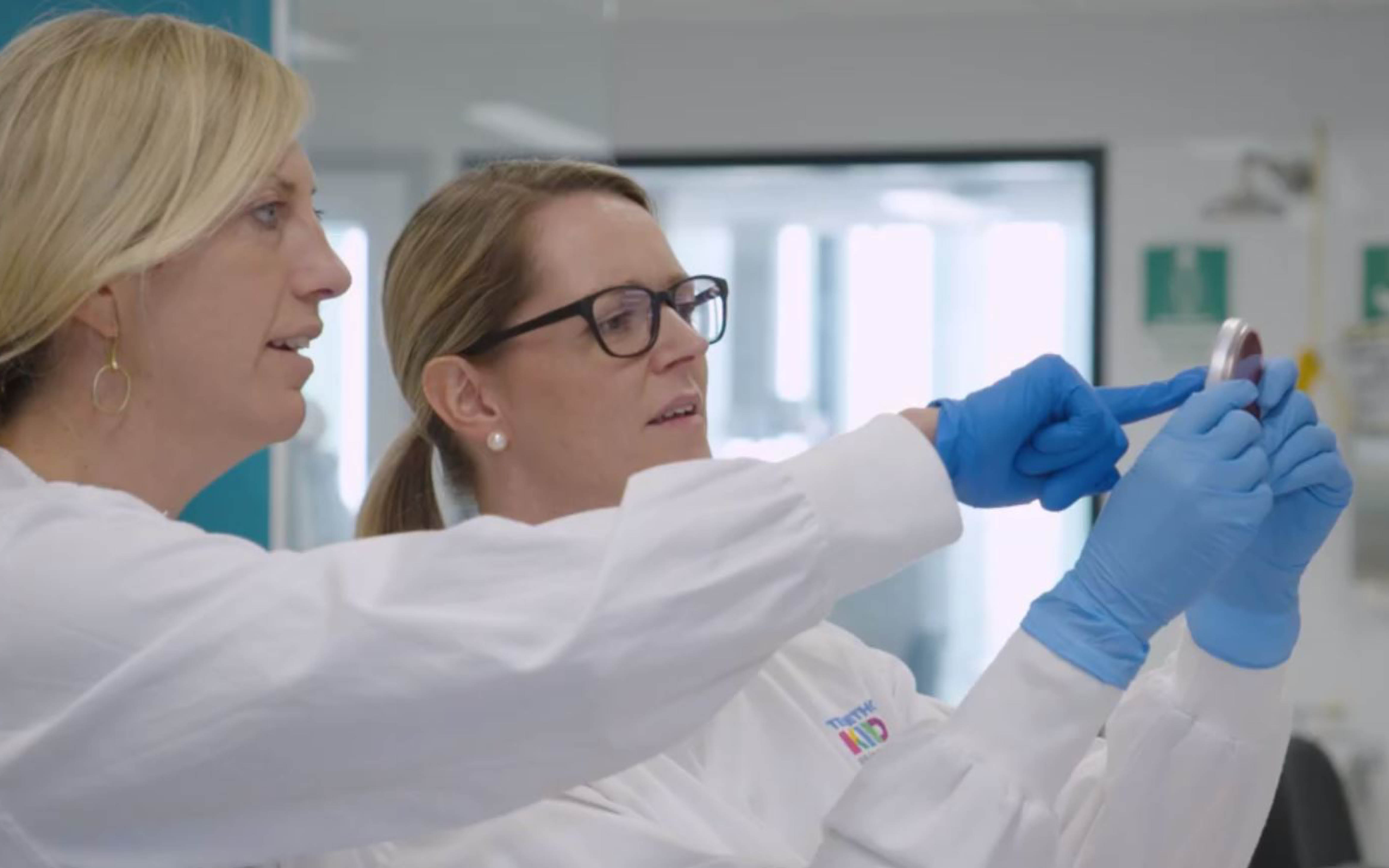
The Bacterial Respiratory Infectious Disease Group (BRIDG) has a major focus ear and lung disease involving Streptococcus pneumoniae and Haemophilus influenzae.
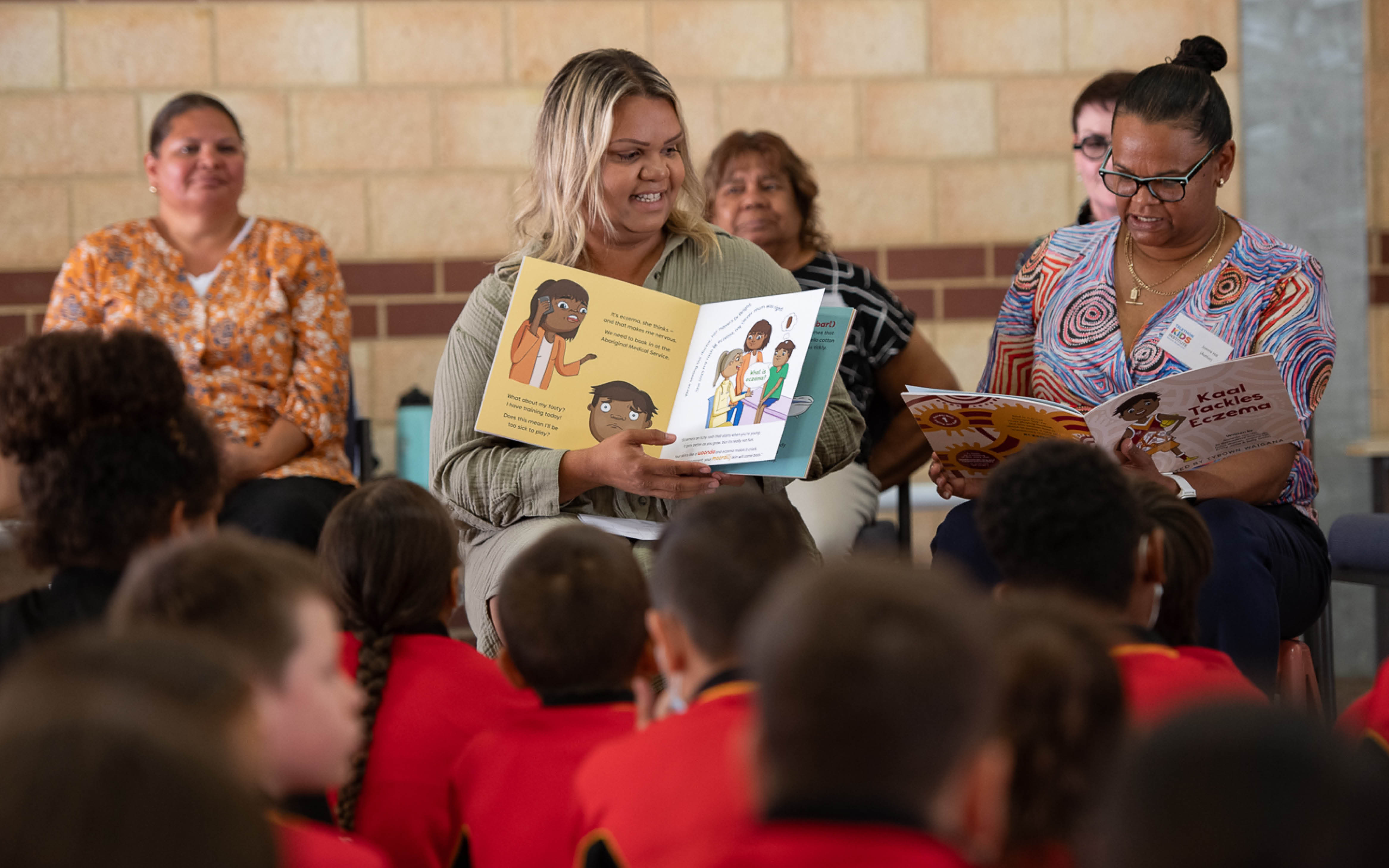
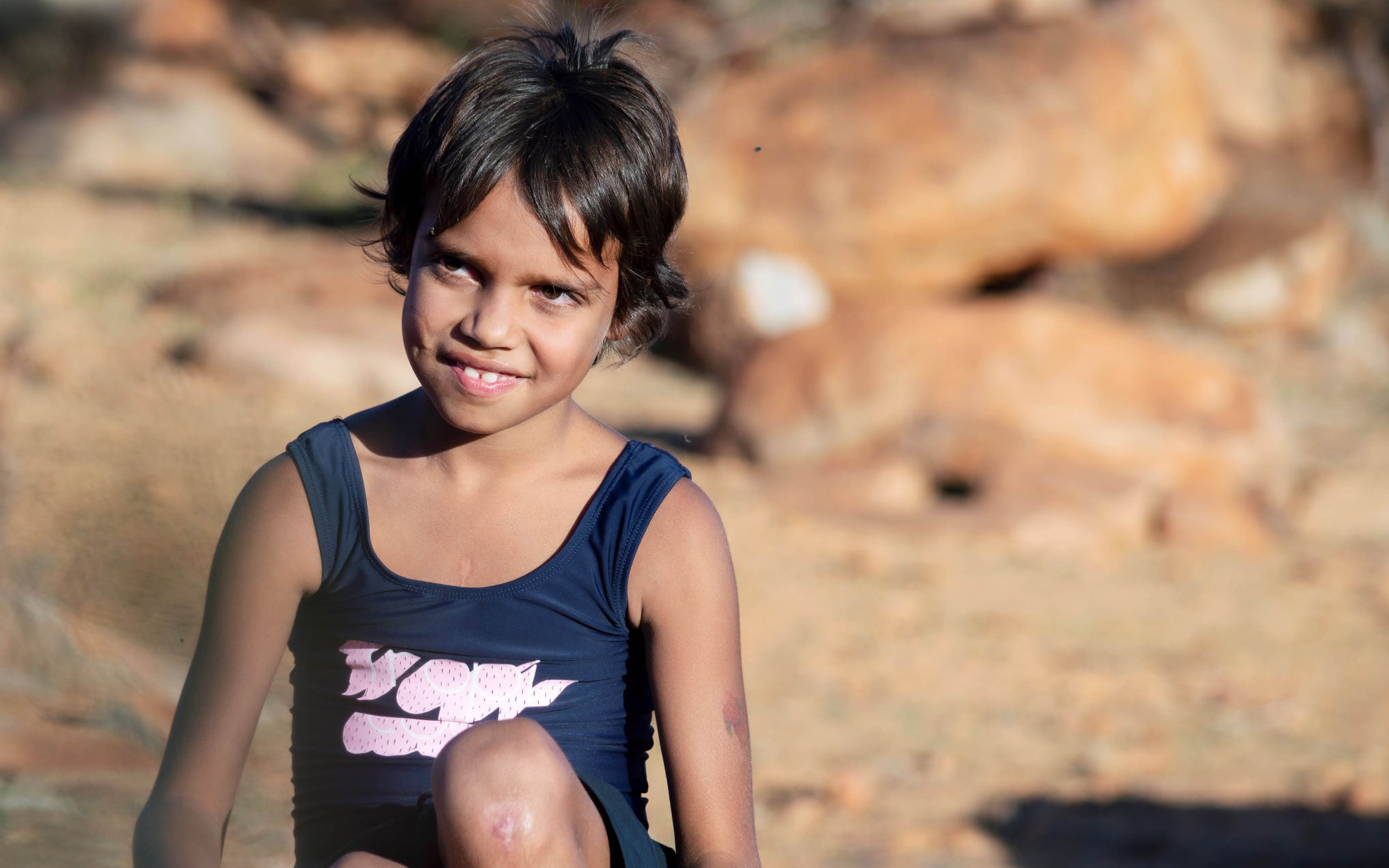
Our aim is for all kids to have healthy skin. We work with communities to reduce the burden of Strep A skin sores and sore throats to prevent rheumatic fever.

Working alongside the Healthy Skin & ARF Prevention team, clinicians and other researchers; Elder researchers and community members have driven the co-design of healthy skin promotion resources localised to their community.
Designed by community for community, the Strong Skin App is a go-to resource to support your skin health.

The Infectious Disease Implementation Research Team is a multi-disciplinary group researching the best way to implement infectious disease prevention and treatment strategies to improve the wellbeing of children and teenagers.

Our team’s vision is to reduce the burden of infectious diseases in children and their families through comprehensive approaches to understanding the burden of disease, developing and optimising diagnosis and treatment strategies and evaluating and informing current and future prevention programs.
The Strep A Translation team aim to understand the epidemiology of Strep A infections in Australia and the world. Alongside this, they explore the implementation of endgame recommendations, health economics and new horizons.