
Search
Social media allows users to connect with others’ experiences and points of view, with TikTok being the fastest-growing platform worldwide. Highly viewed videos related to neurodiversity on TikTok have an increasing role in understanding and acceptance of neurodivergent individuals.

As Neurodiversity Celebration Week draws to a close, we are shining a light on an important study underway at The Kids Research Institute Australia, led by Dr Thom Nevill, a Research Officer within our Human Development and Community Wellbeing and Child Disability teams.
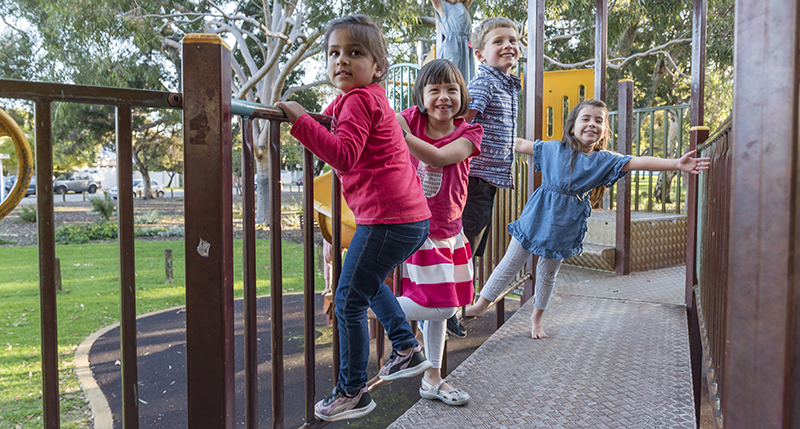
On International Day for People with Disability this Sunday, The Kids Research Institute Australia celebrates the children and families we work with in our research, as we strive for better outcomes for kids with disability.
Autistic people and those with attention deficit hyperactivity disorder are at a high risk of developing an eating disorder. While there is limited evidence on the relationship between other forms of neurodivergence and eating disorders, research suggests associations between giftedness, intellectual disability, obsessive-compulsive disorder, psychosis, Tourette's syndrome, and disordered eating.
Siblings of individuals with neurodevelopmental conditions have unique experiences and sometimes additional challenges, especially in rural areas where there may be limited access to sibling-specific support services.
Talk-based psychotherapy and physical activity are both recognised as effective treatments for child and adolescent mental illness. Despite this, talk therapy and physical activity are rarely integrated-an approach hereafter termed "active counselling (AC)" -in clinical practice for youth mental health. The purpose of this study was to explore parents' perspectives of AC for their child who had been receiving this type of therapy from a provider in Australia. Parental perceptions were also used to identify possible psychological mechanisms underpinning the effects of AC.
Eating disorders (EDs) are increasingly recognised among neurodivergent and transgender and gender diverse (TGD) individuals, yet most assessment and treatment models remain grounded in cisnormative and neuronormative assumptions and frameworks. Sensory processing, spanning interoception and exteroception, has been proposed as a potential factor that may help explain observed associations between neurodivergent traits, gender incongruence, and EDs.
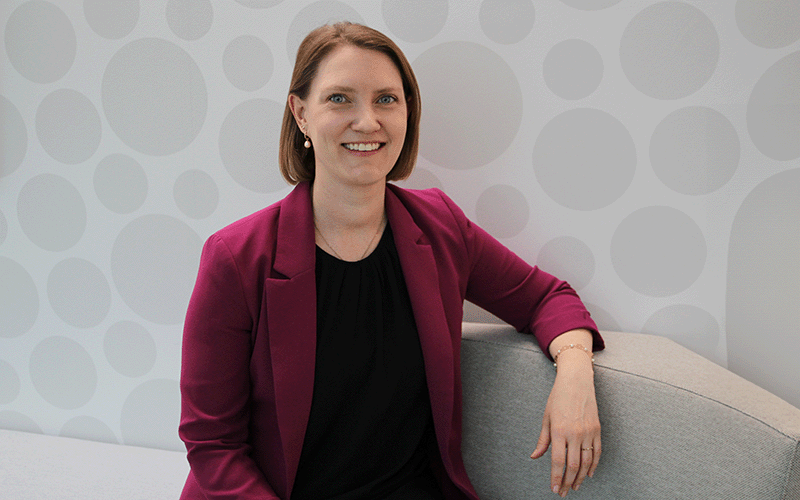
A remarkable Institute leader will join a cohort of 25 STEM-qualified women to take part in the prestigious 2024 Women in Leadership Development (WILD) program.
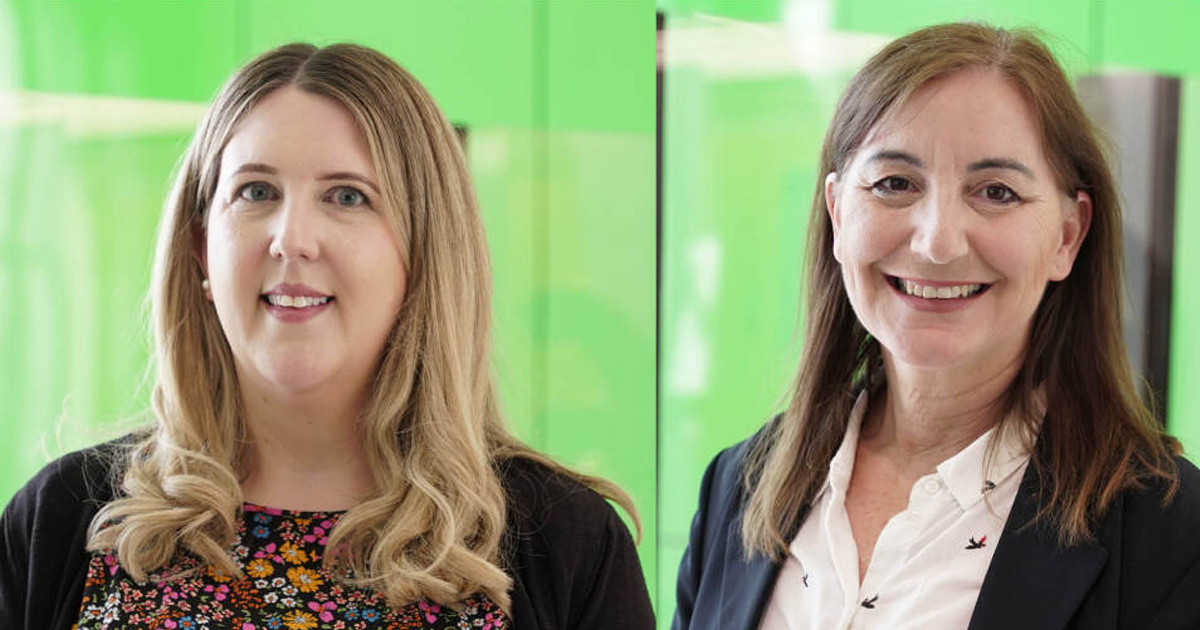
Congratulations to prominent consumer advocate Catherine Hughes and The Kids Research Institute Australia honorary researcher Dr Noula Gibson, who have been named finalists in Research Australia’s 2023 Health and Medical Research Awards.