
Search
A range of microbiota species correlate with improved cancer outcomes in patients and confer protection in pre-clinical mouse models. Here, we examined how microbiota regulate CD8+ T cell immunity against melanoma. Spontaneous control of cutaneous melanoma in mice correlated with metabolic pathways required for microbial synthesis of short-chain fatty acids (SCFAs) shared between several microbiota species.
Cold atmospheric plasma (CAP) is a safe and effective alternative to radiotherapy for cancer treatment. Its anticancer effects are attributed to increased intracellular reactive oxygen species (ROS). Glutathione, a key antioxidant derived from glutamine, is critical for cell proliferation. This study investigated whether CAP-induced ROS elevation results from reduced glutamine-glutathione conversion and elucidates the underlying mechanisms.
Despite advances in immunotherapy, metastatic melanoma remains a considerable therapeutic challenge due to the complexity of the tumor microenvironment. Intratumoral type I interferon (IFN-I) has long been associated with improved clinical outcomes. However, several IFN-I subtypes can also paradoxically promote tumor growth in some contexts.
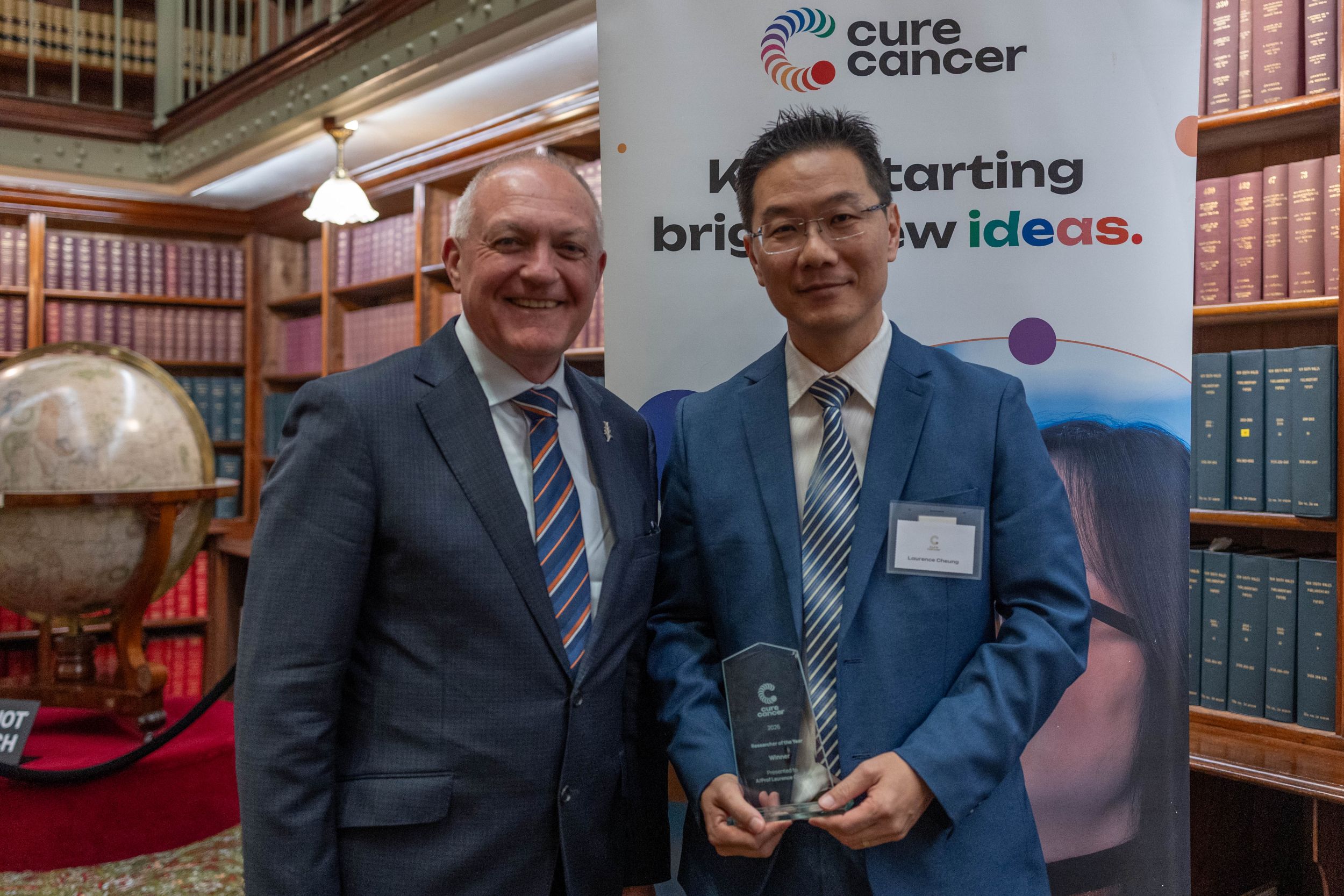
A leading WA cancer researcher has been named the Cure Cancer 2026 Researcher of the Year for his groundbreaking work in paediatric leukaemia.
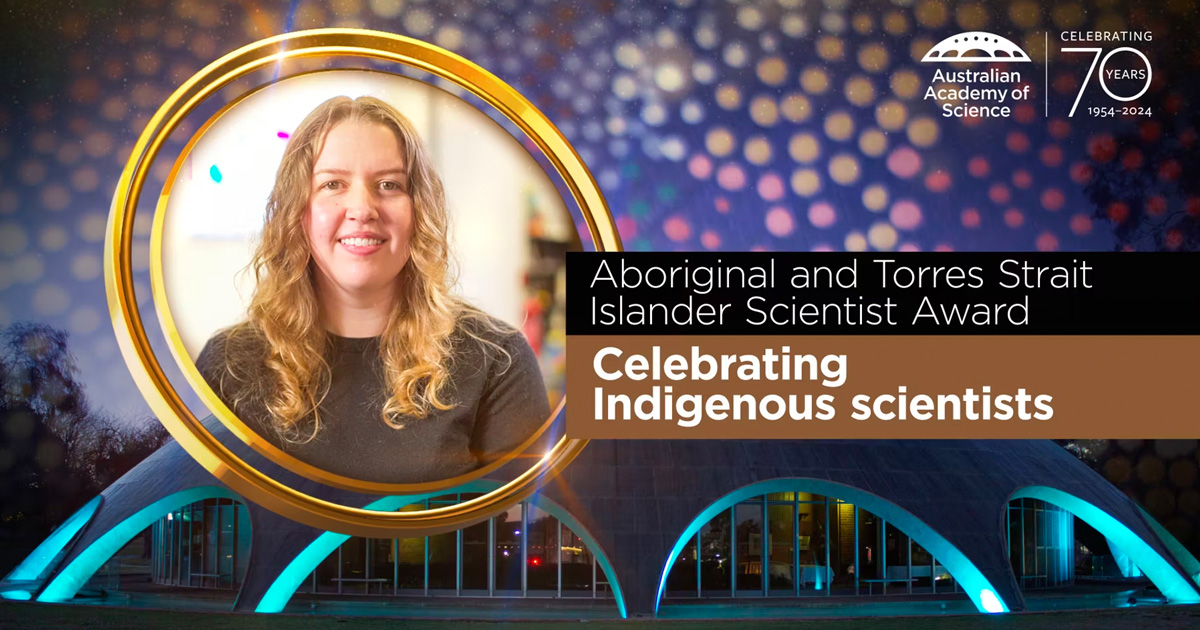
Congratulations to Indigenous genomics researcher Dr Justine Clark, who is one of two scientists nationally to receive the Australian Academy of Science’s 2024 Aboriginal and Torres Strait Islander Science Award.

Four The Kids Research Institute Australia researchers have received prestigious fellowships and four significant cohort studies led or co-led by The Kids have received key grants under two new funding programs supported by the State Government’s Future Health Research and Innovation (FHRI) Fund.
Tertiary Lymphoid Structures (TLSs) are ectopic lymphoid aggregates that form within the tumor microenvironment (TME) and are increasingly recognized as potential prognostic biomarkers in various cancers. However, the spatial heterogeneity and prognostic value of TLSs in esophageal squamous cell carcinoma (ESCC) remain poorly defined. This study aimed to characterize the spatial distribution patterns of TLSs and tumor-infiltrating lymphocytes (TILs), and to establish a refined prognostic model for ESCC patients in both surgery-only and neoadjuvant therapy cohorts.
Epidermal Growth Factor Receptor (EGFR) plays a critical role in the development of several cancers. Thus, modulation/inhibition of EGFR activity is an appealing target of developing novel cancer therapeutics.
Acute lymphoblastic leukaemia is the most common childhood malignancy that remains a leading cause of death in childhood. It may be characterised by multiple known recurrent genetic aberrations that inform prognosis, the most common being hyperdiploidy.
Smokers are at an increased risk of developing mucosal head and neck squamous cell cancers (HNSCCs) and have a worse prognosis when treated. The cellular and molecular mechanisms underlying the latter has not been established. We therefore developed an in vitro model to investigate the effects of radiation and smoking on mucosal HNSCCs.