
Search
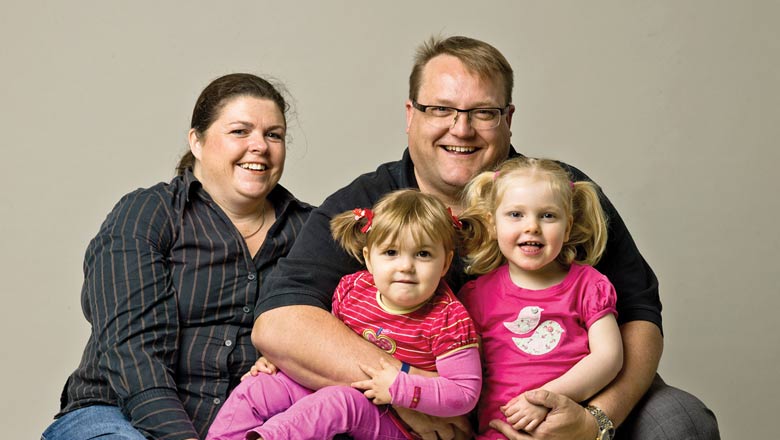
The Kids Research Institute Australia researchers set out on a worldwide search to find out all they could about Rett syndrome, establishing databases and creating awareness.

We have launched a national survey to investigate how we can better support young people who don't identify as the gender they were assigned at birth.
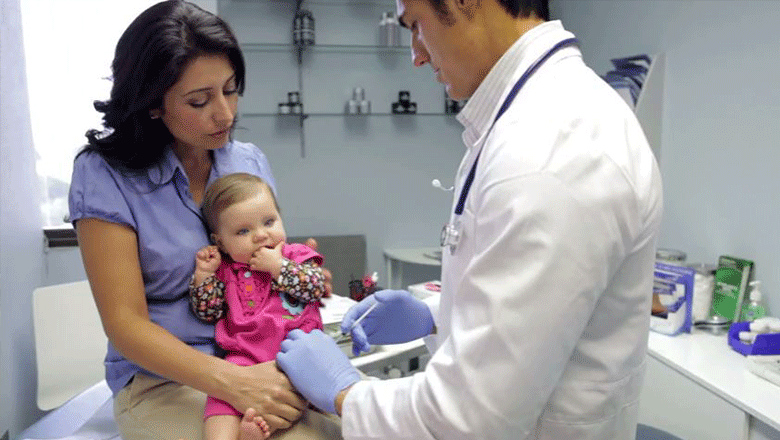
It's that time of year again... Flu vaccine time! Watch Dr Chris Blyth answer commonly asked questions in the video below.
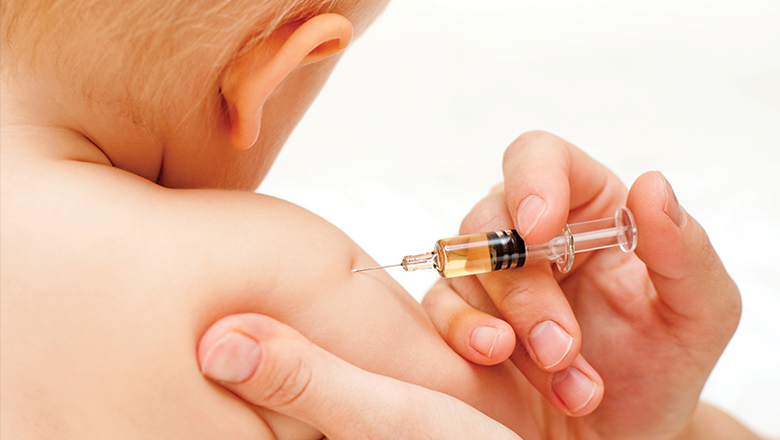
Immunisation plays an important role in preventing disease within our community. Join us at a FREE public seminar on vaccinations.
Immunisation plays an important role in preventing disease within our community. Watch Dr Chris Blyth answer some commonly asked questions about vaccines.
My colleagues and I at Perth's The Kids Research Institute Australia study how to make current vaccines work better, reduce common side effects, and develop new vaccines.
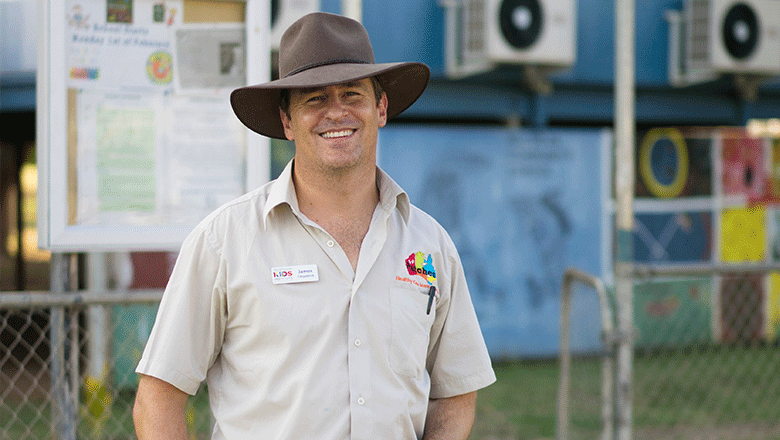
A The Kids Research Institute Australia researcher has been awarded $10,000 in State Government research support funding.

The Kids researchers are amongst a group of experts who have recommended that doctors can stop intravenous antibiotics sooner in children.
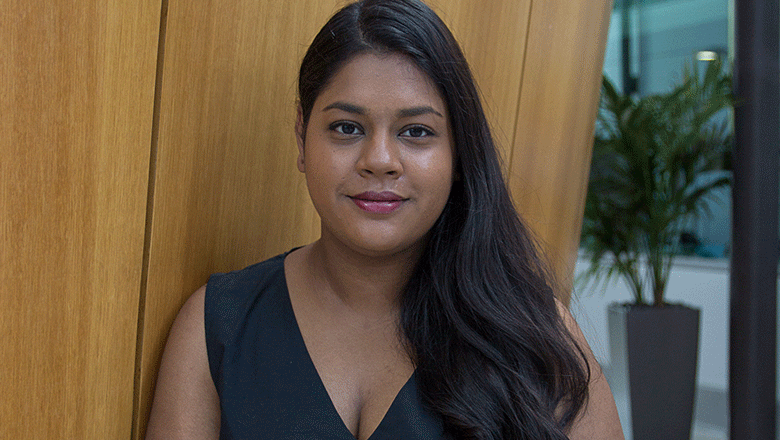
Congratulations to Gail Alvares from our Autism research team who has been named as one the ABC's Top 5 Under 40 scientists in residence.
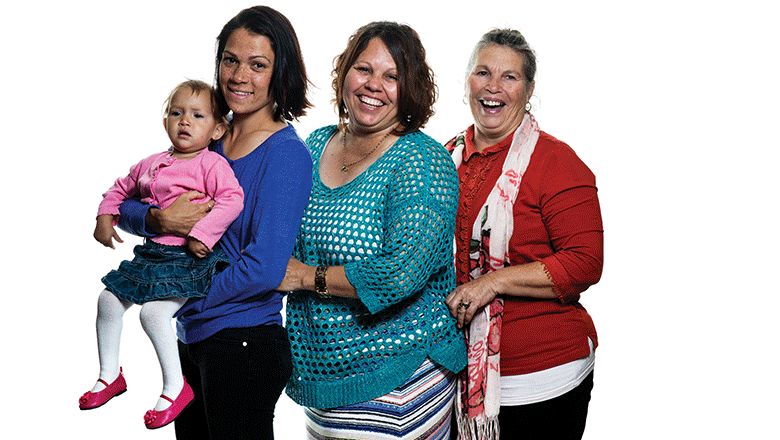
A study by researchers at The Kids Research Institute Australia has found Aboriginal mothers are at a significantly greater risk of preventable death than other Australia