
Search
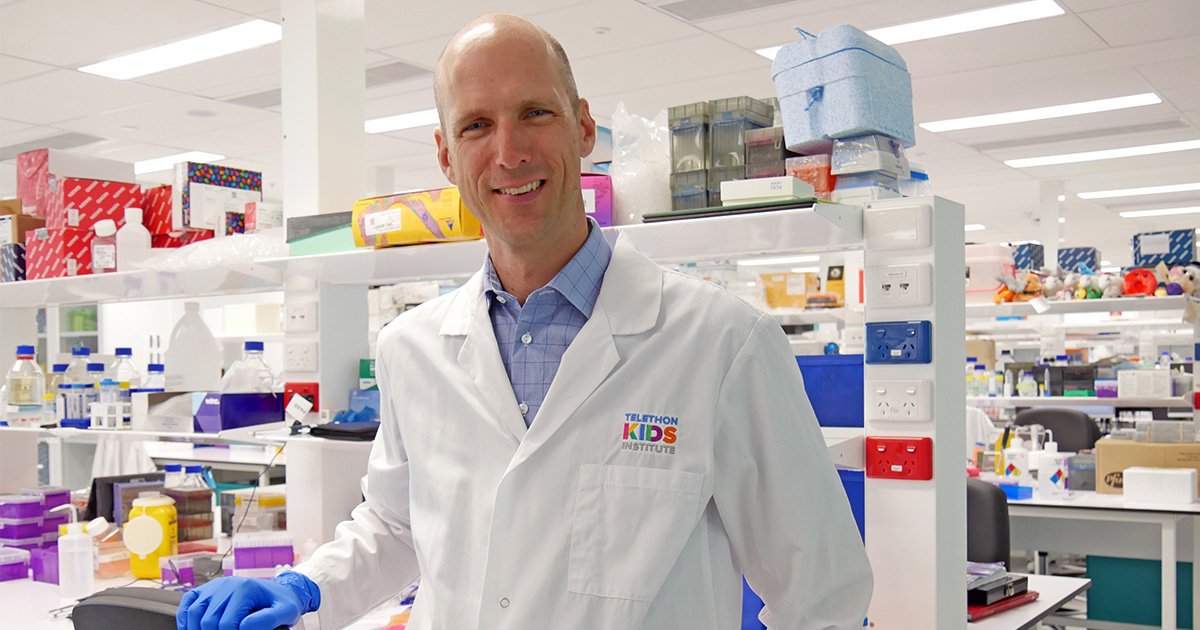
Researchers dedicated to developing the first cancer immunotherapy tablet have been boosted by a $374,000 CUREator top-up funding grant.
Streptococcus dysgalactiae subspecies equisimilis and Streptococcus pyogenes share skin and throat niches with extensive genomic homology and horizontal gene transfer possibly underlying shared disease phenotypes.
Chronic suppurative otitis media (CSOM) is a leading global cause of potentially preventable hearing loss in children and adults, associated with socioeconomic deprivation. There is an absence of consensus on the definition of CSOM, which complicates efforts for prevention, treatment, and monitoring.
Obesity is a contributing factor to asthma severity; while it has long been understood that obesity is related to greater asthma burden, the mechanisms though which this occurs have not been fully elucidated. One common explanation is that obesity mechanically reduces lung volume through accumulation of adipose tissue external to the thoracic cavity.
To describe the characteristics of patients with chronic hepatitis B (CHB) presenting to a tertiary paediatric hospital in Perth, Western Australia. Review of implementation of previous follow-up recommendations for the cohort was also undertaken.
In the last decade, reduction in adolescent fertility rates in Indonesia has slowed despite national programmes and policies focused on addressing child marriage. Indonesia currently has the highest number of births to adolescent girls aged 15-19 years in Southeast Asia. There is a need to develop a more nuanced understanding of the drivers of adolescent pregnancy in Indonesia to inform programmes and policies tailored to young people's needs and priorities.
Fiona Pete Stanley Azzopardi FAA FASSA MSc MD FFPHM FAFPHM FRACP FRANZCOG HonDSc HonDUniv HonFRACGP HonMD HonFRCPCH HonLLB (honoris causa) PhD, FRACP
Rheumatic heart disease (RHD) is the most common form of acquired heart disease worldwide. In RHD, volume loading from mitral regurgitation leads to left ventricular (LV) dilatation, increased wall stress, and ultimately LV dysfunction. Improved understanding of LV dynamics may contribute to refined timing of intervention.
Pacific youth (15–24 years) experience multiple challenges to realising their sexual and reproductive health and rights (SRHR). Climate-related disasters compound pre-existing social and health inequities, including for youth SRHR. Meaningful youth engagement is crucial to understand their risks and inform inclusive disaster responses.
This study identified alignment of indicators across different initiatives and data collection instruments as a foundation for future harmonization of adolescent health measurement.