
Search
Chronic suppurative otitis media (CSOM), sometimes referred to as chronic otitis media (COM), is a chronic inflammation and often polymicrobial infection of the middle ear and mastoid cavity, characterised by ear discharge (otorrhoea) through a perforated tympanic membrane. The predominant symptoms of CSOM are ear discharge and hearing loss. Systemic antibiotics are commonly used to treat people with CSOM. This is the first update to the review published in 2021, and is one of a suite of seven Cochrane reviews evaluating the effects of non-surgical interventions for CSOM.
Aboriginal and Torres Strait Islander communities are diverse, strong and faced with adverse social circumstances and unacceptable health and wellbeing outcomes wrought by colonisation. The need for strengths-based initiatives that tailor services according to local knowledges is well accepted, yet few studies have evaluated self-determined strategies to redress the social determinants of health.
Cases identified through mass testing represent only a fraction of infections, depending on the propensity of infected individuals to seek testing. Quantifying the variation in test-seeking behaviour through time or between population subgroups provides important information on testing uptake and supports epidemiological analyses of case data that may otherwise be biased.
Chronic suppurative otitis media (CSOM), sometimes referred to as chronic otitis media (COM), is a chronic inflammation and often polymicrobial infection of the middle ear and mastoid cavity, characterised by ear discharge (otorrhoea) through a perforated tympanic membrane. The predominant symptoms of CSOM are ear discharge and hearing loss. Topical antiseptics, a possible treatment for CSOM, inhibit the micro-organisms that may be responsible for the infection. Antiseptics can be used alone or in addition to other treatments for CSOM, such as antibiotics or ear cleaning (aural toileting). However, the effects of topical antiseptics for CSOM remain unclear. This is an update of a review last published in 2020, with one new study added. It is one of a suite of seven Cochrane reviews evaluating the effects of non-surgical interventions for CSOM
Chronic suppurative otitis media (CSOM), sometimes referred to as chronic otitis media (COM), is a chronic inflammation and often polymicrobial infection of the middle ear and mastoid cavity, characterised by ear discharge (otorrhoea) through a perforated tympanic membrane. The predominant symptoms of CSOM are ear discharge and hearing loss. Topical antiseptics, a possible treatment for CSOM, inhibit the micro-organisms that may be responsible for the infection. Antiseptics can be used alone or in addition to other treatments for CSOM, such as antibiotics or ear cleaning (aural toileting). However, the effects of topical antiseptics for CSOM remain unclear. This is an update of a review last published in 2020, with one new study added. It is one of a suite of seven Cochrane reviews evaluating the effects of non-surgical interventions for CSOM
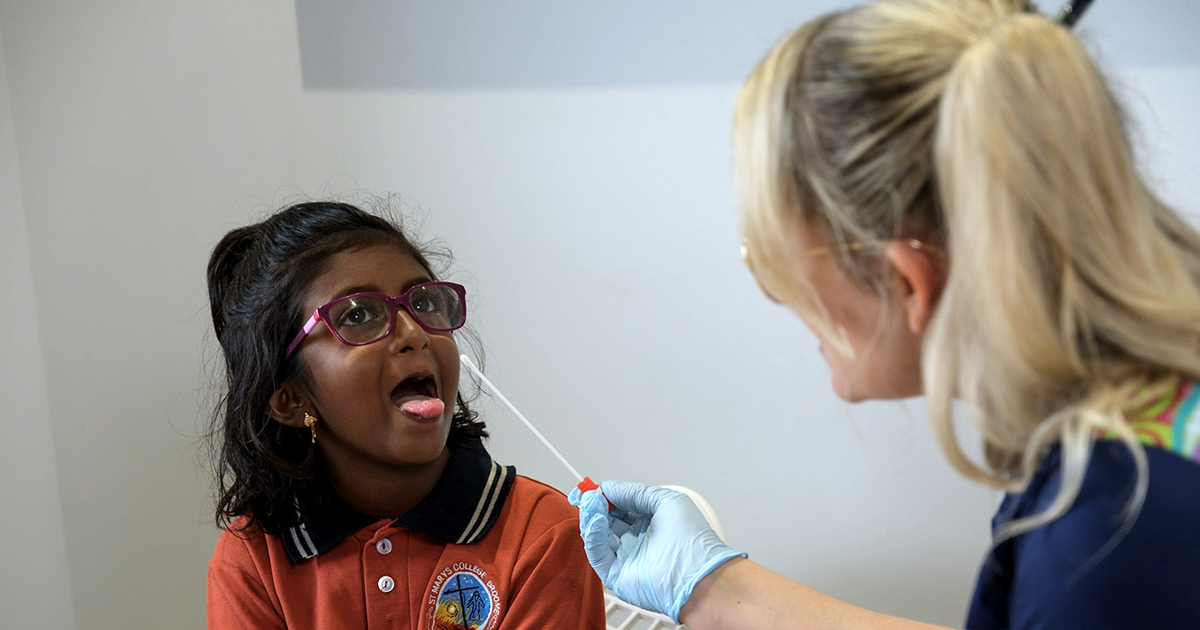
New research has revealed that molecular point-of-care testing (POCT) can significantly improve detection of Group A Streptococcal (Strep A) pharyngitis compared to laboratory culture – particularly in remote communities, where results can take up to seven days – unlocking a major opportunity to prevent rheumatic
The RNA-binding protein IGF2BP3 is an oncofetal protein overexpressed in B-acute lymphoblastic leukemia and is critical for leukemogenesis in experimental models. With cancerspecific expression, functional dispensability for normal development, and an unleveraged prooncogenic function in mRNA homeostasis, IGF2BP3 represents an excellent target.
CDKL5 deficiency disorder (CDD) is a rare developmental and epileptic encephalopathy. Greater understanding of the smallest meaningful improvements for individuals with CDD in clinical trials and practice is needed for a person-centred approach to treatment efficacy. This study explored how parent/caregivers of people with CDD understood meaningful improvements and described change for priority functional domains including communication, gross motor, fine motor, feeding.
Dyadic interventions targeting maternal mental health and the mother-infant relationship in the perinatal period are critical due to the potential consequences of perinatal mental illness and relational disturbance for the mother, the infant, and their family. This paper describes the Pregnancy to Parenthood (P2P) model of care, a dyadic mother-infant community-based program designed to support vulnerable families in Western Australia in the context of an identified need to build workforce capacity.
The Australian Guide to the Diagnosis of fetal alcohol spectrum disorder (FASD), developed in 2016, is currently under review. This study aimed to understand how the Guide is used in practice and identify factors influencing its implementation.