Skip to content

Search

The Unintended Impact of COVID-19 Associated Non-Pharmaceutical Interventions on Paediatric Hospital Admissions: An Interrupted Time Series Analysis

COVID-19 related non-pharmaceutical interventions (NPIs) disrupted global healthcare utilisation, with notable declines in infection related paediatric hospitalisations. We aimed to identify non-infectious paediatric conditions for which the incidence of hospital admissions increased during the introduction and alleviation of NPIs in 2020.

Therapeutic potential of plant-based therapies in pediculosis capitis: Systematic review and meta-analysis

Pediculosis capitis is a worldwide prevalent public health issue, mostly involving children. Resistance has been increasingly identified with conventional treatments such as permethrin or malathion. We aimed to evaluate the therapeutic potential of plant-based therapies for pediculosis capitis. PubMed, MEDLINE, Embase, EmCare, Web of Science, Cochrane, and ScienceDirect were searched for studies.

Accuracy of a 2-minute eye-tracking assessment to differentiate young children with and without autism

Eye-tracking could expedite autism identification/diagnosis through standardisation and objectivity. We tested whether Gazefinder autism assessment, with Classification Algorithm derived from gaze fixation durations, would have good accuracy (area under the curve [AUC] ≥ 0.80) to differentiate 2-4-year-old autistic from non-autistic children.

Psychometric evaluation of the Comprehensive Autistic Trait Inventory in autistic and non-autistic adults

Measures of autistic traits are only useful – for pre-diagnostic screening, exploring individual differences, and gaining personal insight – if they efficiently and accurately assess autism as currently conceptualised while maintaining psychometric validity across different demographic groups. We recruited 1322 autistic and 1279 non-autistic adults who varied in autism status (non-autistic, diagnosed autistic, self-identifying autistic) and gender (cisgender men, cisgender women, gender diverse) to assess the psychometric properties of the Comprehensive Autistic Trait Inventory, a recently developed measure of autistic traits that examines six trait domains using 42 self-report statements.

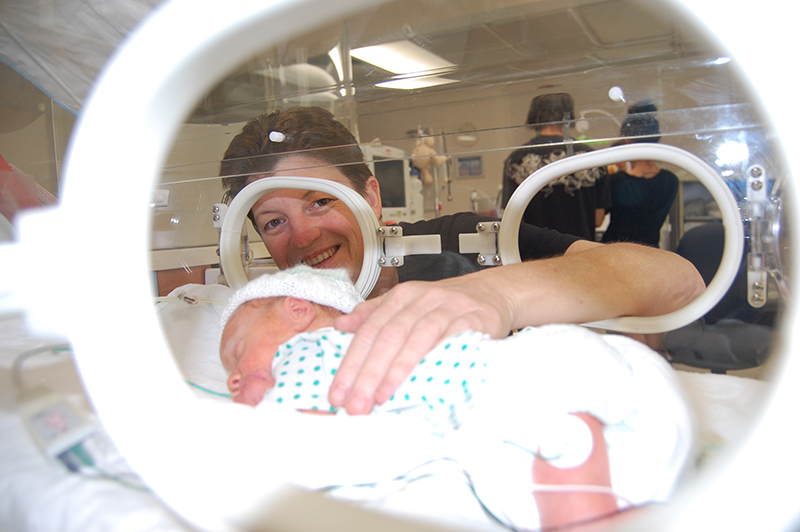
Quicker team launch times for urgent priority neonatal retrievals: A Quality Improvement Initiative study

Neonatal retrieval networks have adopted time-centric quality metrics as Key Performance Indicators (KPI) for setting and comparing benchmarking standards. Quicker launch time (departure from base), an essential KPI, enables neonatal retrieval teams to rapidly provide higher-level care to sick infants. The Newborn Emergency Transport Services of Western Australia (NETS WA) facilitates neonatal transfers across largest global retrieval area necessitating quicker team launch times for urgent retrievals. NETS WA conducted a quality improvement (QI) study to quicken team launch times for urgent retrievals.

Benchmarking Imputed Low Coverage Genomes in a Human Population Genetics Context

Ongoing advances in population genomic methodologies have recently enabled the study of millions of loci across hundreds of genomes at a relatively low cost, by leveraging a combination of low-coverage shotgun sequencing and innovative genotype imputation methods. This approach has the potential to provide abundant genotype information at low costs comparable to another widely used cost-effective genotyping approach-that is, SNP panels-while avoiding potential issues related to loci being ascertained in distantly related populations.

Tumor site-directed A1R expression enhances CAR T cell function and improves efficacy against solid tumors

Citation: Sek K, Chen AXY, Cole T, Armitage JD, Tong J, ……… Waithman J, Parish IA, et al. Tumor site-directed A1R expression enhances CAR T cell

Application of the paediatric medical traumatic stress model to the mental health experience of young people living with type 1 diabetes: a qualitative study

Despite the various traumatic events that a young person living with type 1 diabetes (T1D) may experience, little is known about the burden and manifestation of traumatic stress in this population. Though mental health outcomes have been explored generally, medical trauma-sensitive approaches to understanding these experiences remain limited. We utilised a qualitative descriptive approach to explore the impact of T1D on young people’s mental health through the paediatric medical traumatic stress model.

Trends in incident acute rheumatic fever or rheumatic heart disease in Indigenous youth in Western Australia: a retrospective cohort study

To determine age-specific and age-standardised incidence trends of acute rheumatic fever (ARF) or rheumatic heart disease (RHD) among Indigenous Western Australians aged less than 35 years of age.

Berrembi Jarragboo-Boorroo Wajawoorroo Men'Gawoom Gijam (Gija Healthy Skin Story): Two-Way Learning for Healthy Skin

Remote-living Aboriginal children in Australia contend with higher rates of skin infections than non-Indigenous children. This work was embedded within a stepped-wedge, cluster randomised controlled trial aiming to halve the rate of skin infections in remote Kimberley communities. It outlines and reflects upon the co-development of a health promotion resource in partnership with the East Kimberley community of Warmun, whilst understanding community perceptions of its impact.