
Search
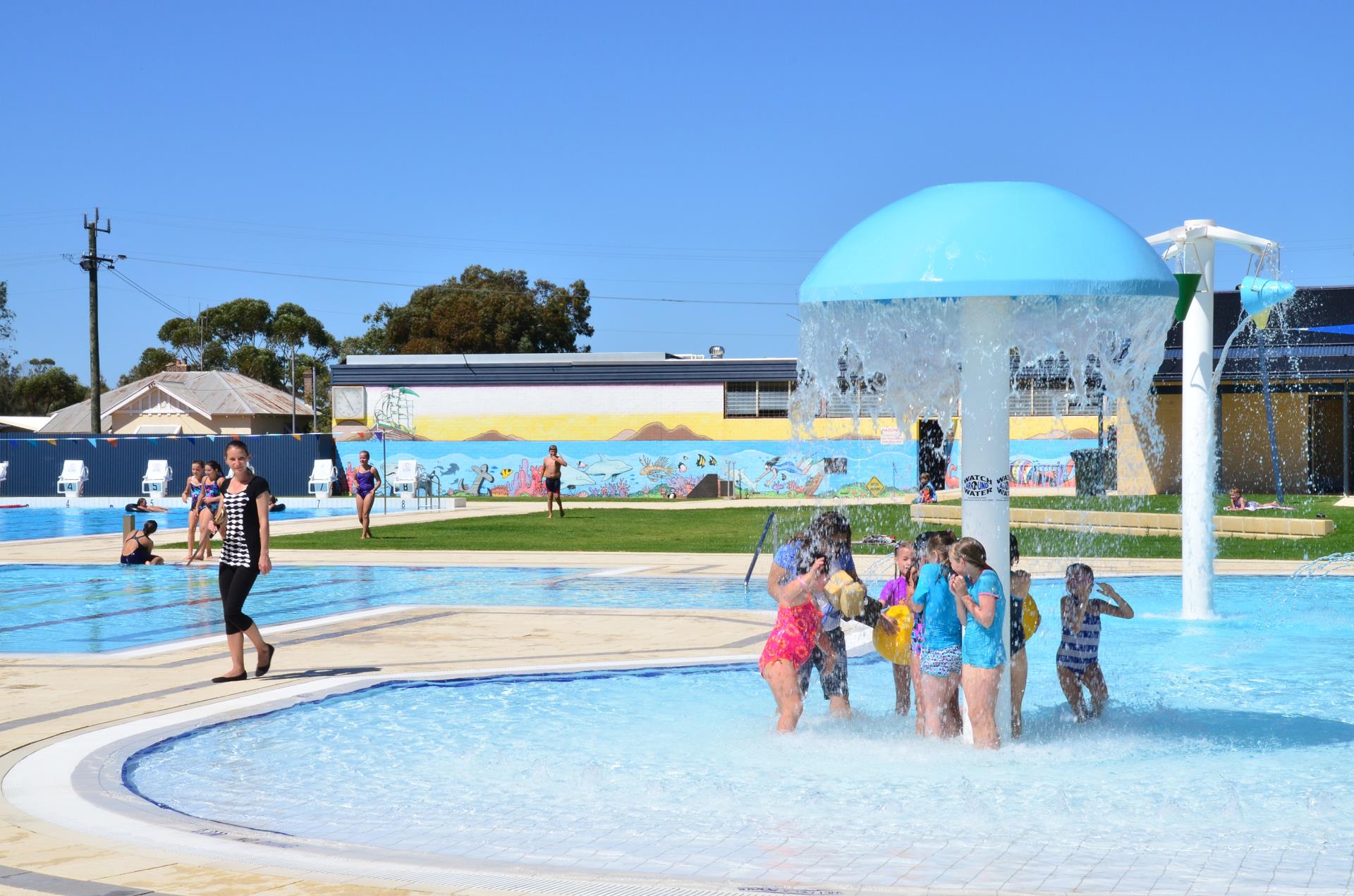
New ways to deliver more effective, evidenced-informed child development services will be forged through an innovative community partnership in the Central Great Southern.
A new report predicts rheumatic heart disease (RHD) will lead to over 500 preventable deaths and cost the Australian health system $317 million by 2031 if no further action to tackle the disease is taken.
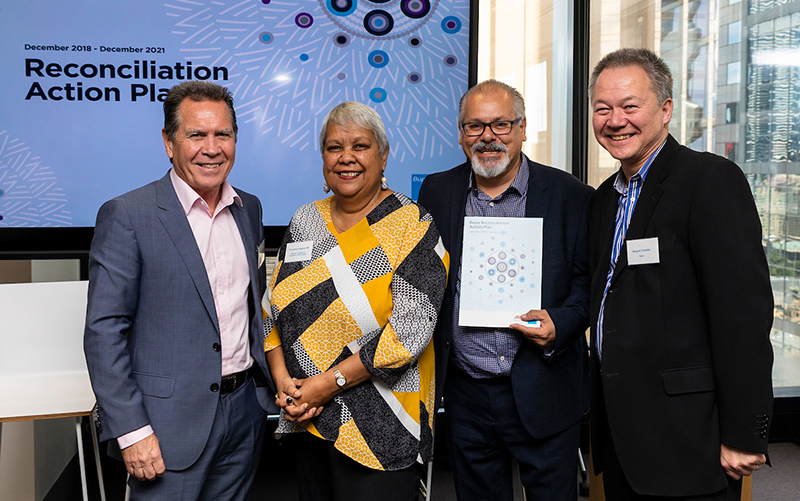
Researchers will extend a unique community-led project to end rheumatic heart disease in Aboriginal communities, thanks to nearly half a million dollars in funding from Bupa.

A Lancet-published review of the evidence around the use of gender-affirming hormones and surgery in trans children and adolescents has found such interventions can lead to a marked improvement in mental health outcomes and quality of life.

Youth mental health researcher Penelope Strauss has been named an AMP Tomorrow Maker – the first researcher from The Kids Research Institute Australia to win one of the annual AMP Foundation grants.
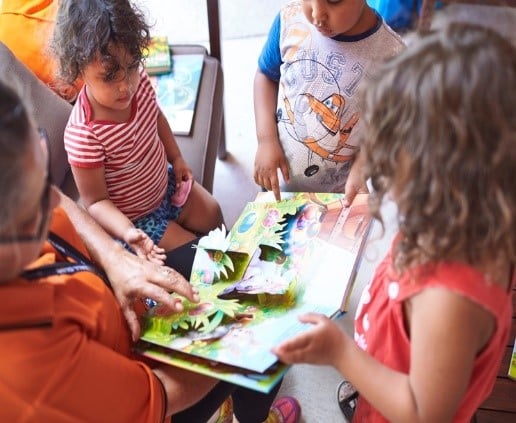
A new report on families with 0-4 year olds in the Midland area aims to help shape development of the sector and ensure parents are better placed to access support in their efforts to ensure the healthy development of their babies and toddlers.
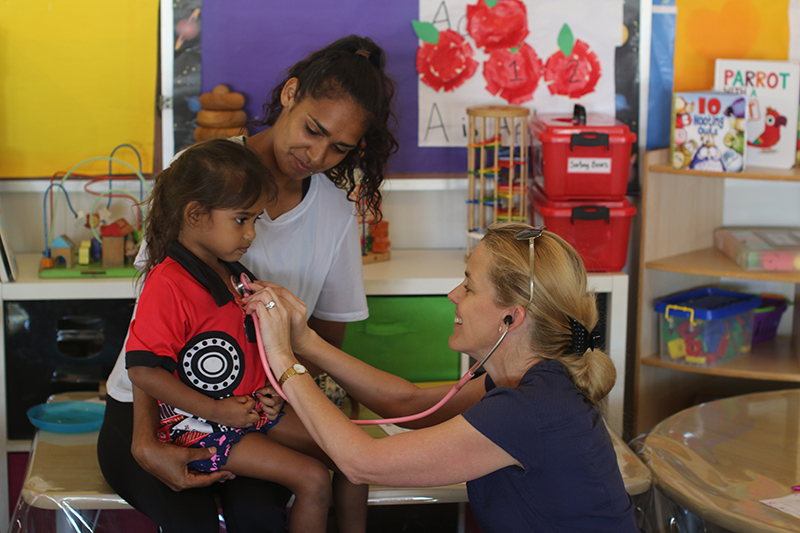
The Kids Research Institute Australia lung health researchers have launched a campaign to raise awareness of wet cough and lung disease in Aboriginal children.

Congratulations to Dr Gail Alvares and Dr Rachel Foong, who have been awarded funding from the Raine Medical Research Foundation.
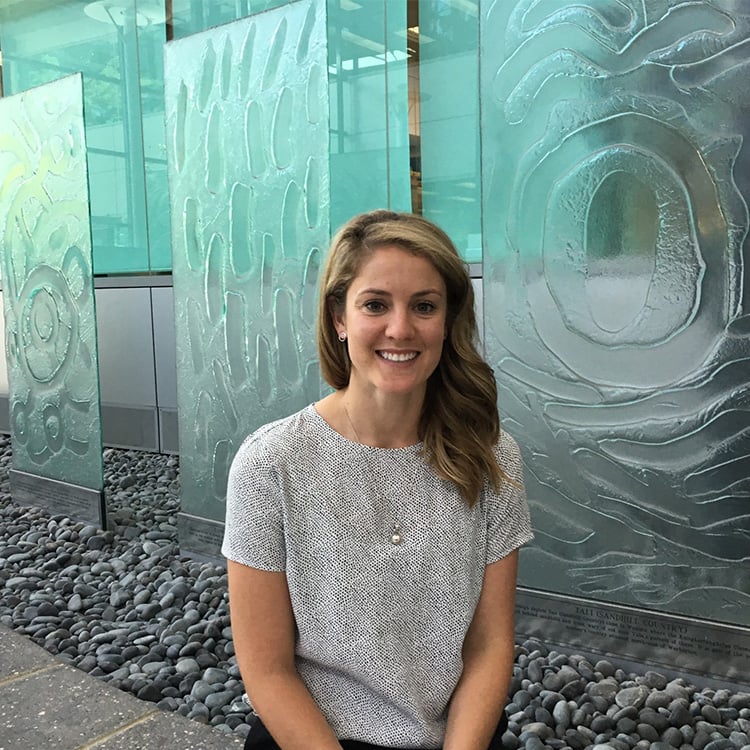
It’s hoped a new therapeutic playgroup being trialled in Perth will help parents and caregivers cut through the stress and become more confident.
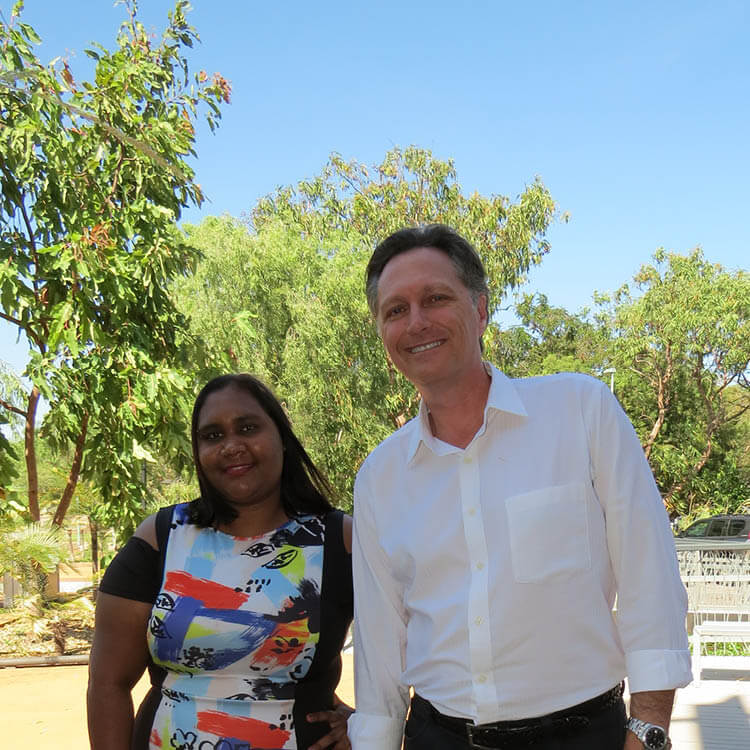
The Kids Research Institute Australia & Menzies School of Health Research will lead an international project to develop a diagnostic tool for acute rheumatic fever.