
Search
The Kids researchers have been awarded over $3.4 million for a new trial to pioneer improved ways for managing cystic fibrosis (‘CF’).
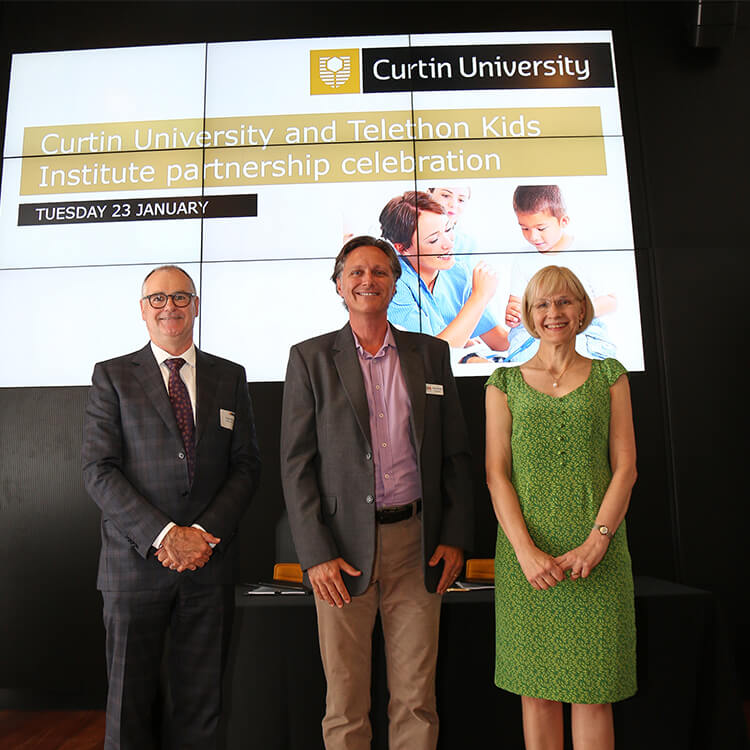
The Kids Research Institute Australia and Curtin University will work together as part of a new agreement focused on enhancing children’s health and medical research in WA.
The Kids researcher Dr Shelley Gorman has received a Healthway grant to develop an online tool to promote safe sun behaviours to teenagers.
Reading to your child is one of the easiest, most enjoyable activities you can do as a parent or caregiver.
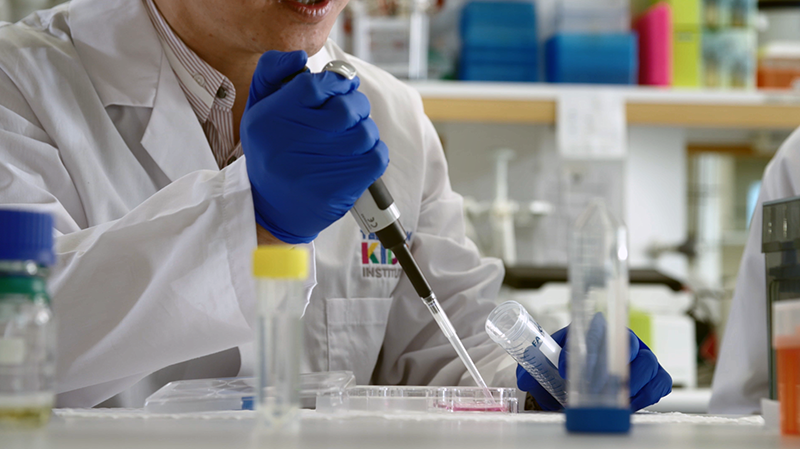
The Kids researchers will use nearly $8.5 million awarded by the National Health and Medical Research Council (NHMRC) to tackle health issues including respiratory disease, brain cancer, vaccination and Aboriginal health.
Every decision a child with type 1 diabetes makes can impact on their blood glucose levels.
Raising a child in one gender and then having them identify as another at any stage in their life can be difficult for a parent to understand and is not always an easy shift for a parent to make.
Professor Donna Cross advises parents on keeping your children engaged and amused during the holidays, especially around screen time and cyber safety.
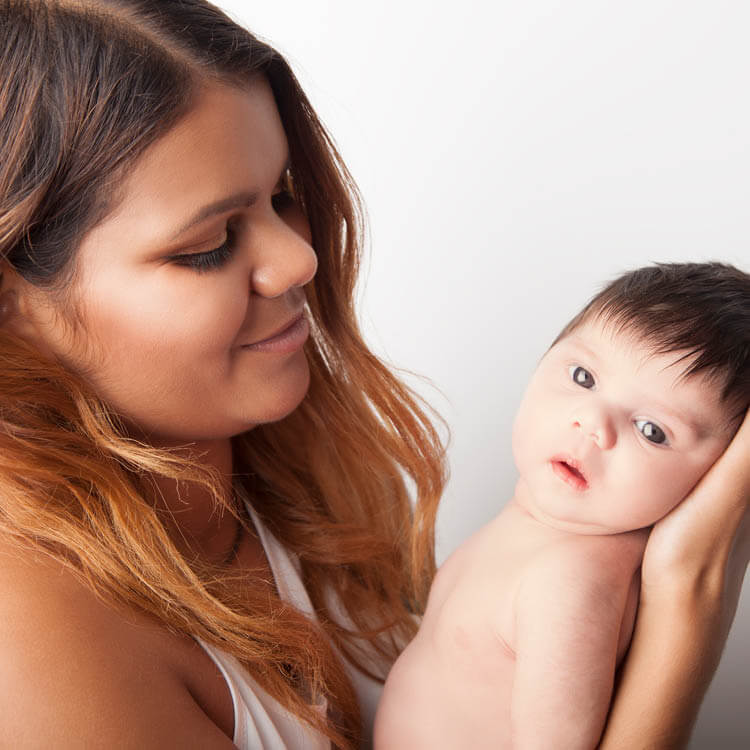
In a WA first, researchers from The Kids Research Institute Australia have shown that Aboriginal babies are 22.5 times more likely to be treated for skin infections than non-Aboriginal babies.
Three The Kids researchers are collaborating on a cancer research project that has been awarded a $1.75mill grant by the Australian Cancer Research Fund.