
Search
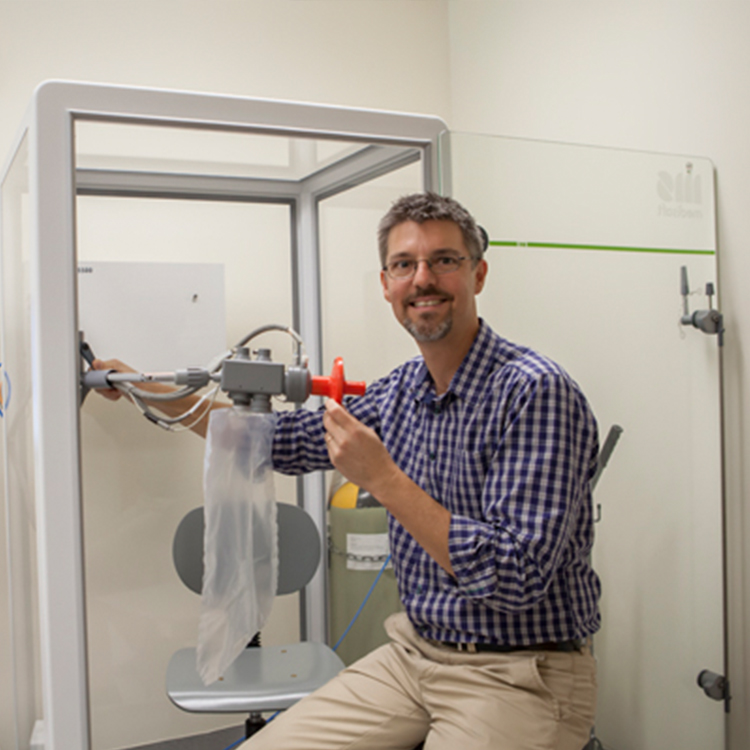
A global research network has taken another step towards standardising the way doctors interpret commonly used lung function tests.
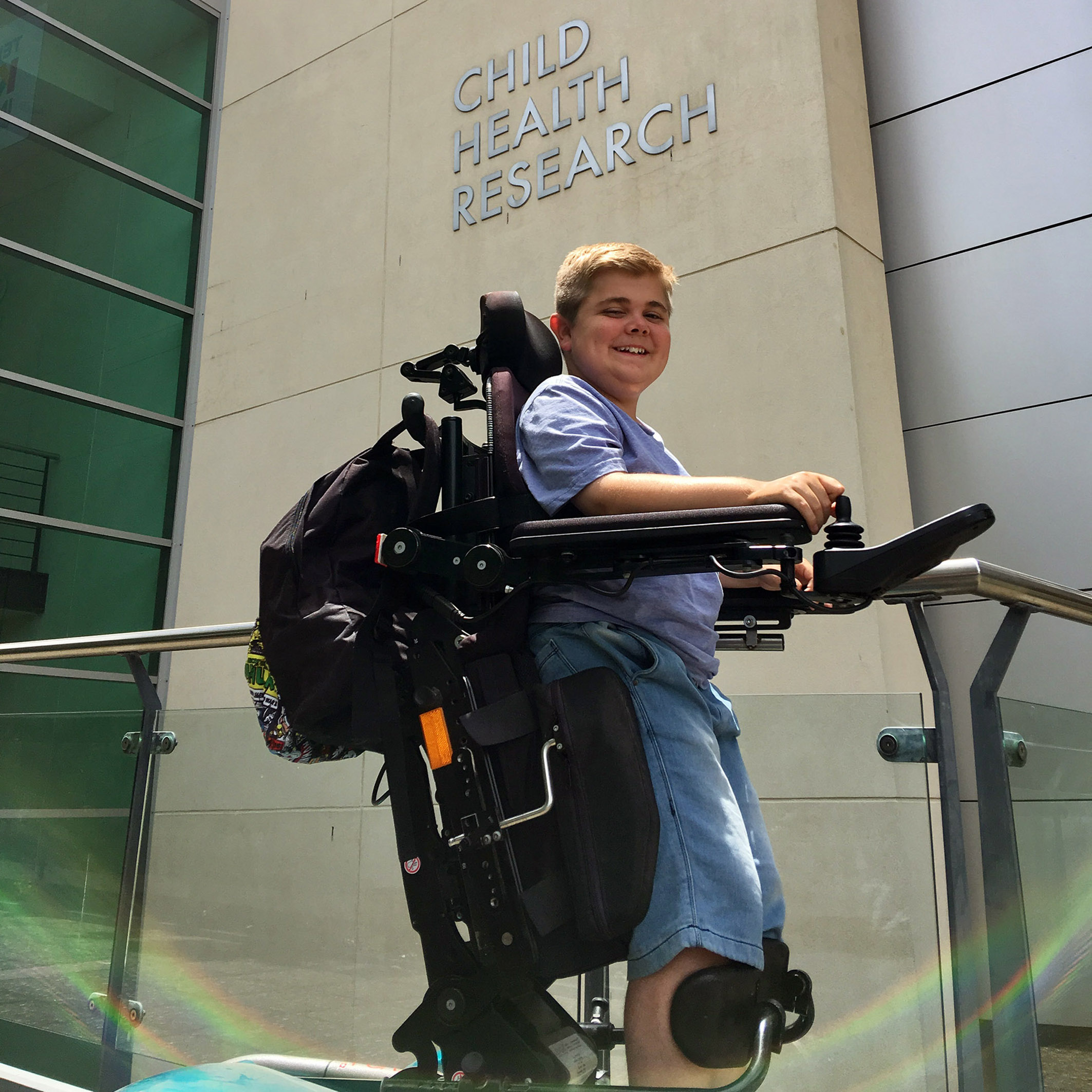
The Kids researchers are investigating the physical and psychological impacts of powered standing wheelchairs for boys suffering from Duchenne
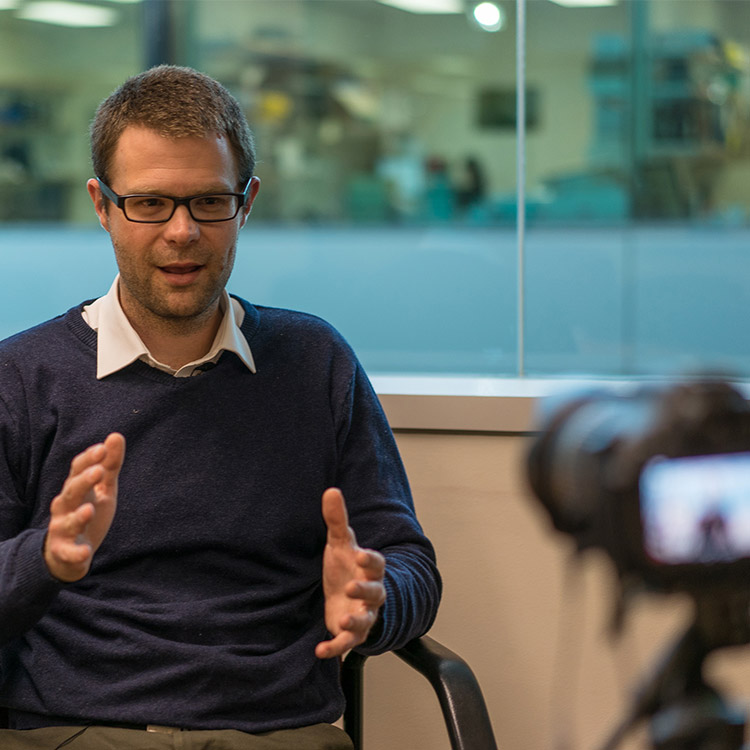
The Kids Research Institute Australia has two researchers and an innovative science engagement initiative as finalists in the 2017 Premier’s Science Awards.

A new report that suggests strong connection to culture can help protect Aboriginal & Torres Strait Islander children from sexual abuse in institutions.
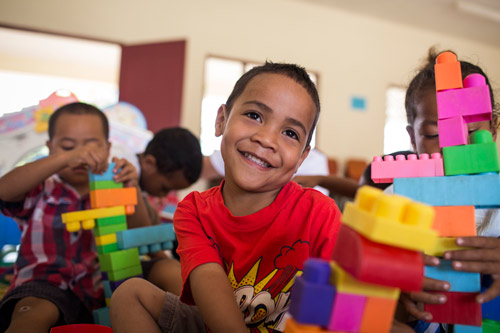
In Australia, community playgroups are seen as the ‘soft touch’. But a research project in Tonga is finding the benefits can last a lifetime.
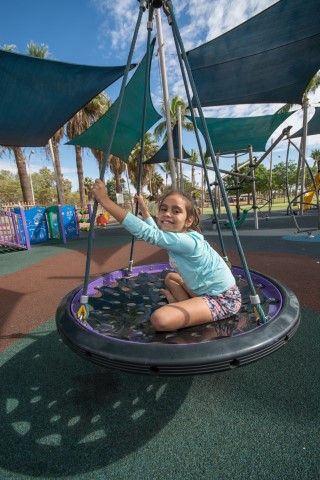
Researchers from The Kids Research Institute Australia are running a school program designed to help children adjust their levels of alertness and attention in class.
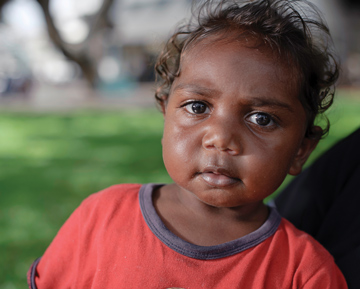
In 2016, with enabling donations from Denby Roberts, Stan Perron, Wesfarmers and Centurion, the Institute established a permanent presence in the Kimberley.
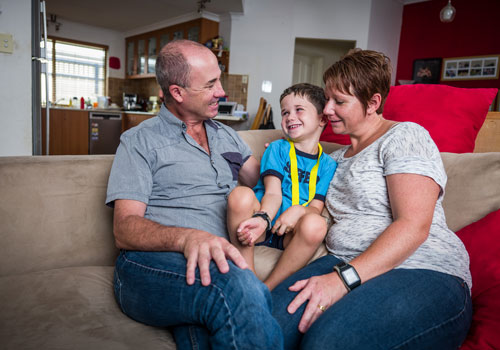
When Jodie and Brad Scott welcomed their fourth child Heath into the world, they were prepared for the many sleepless nights that come with caring for newborns.
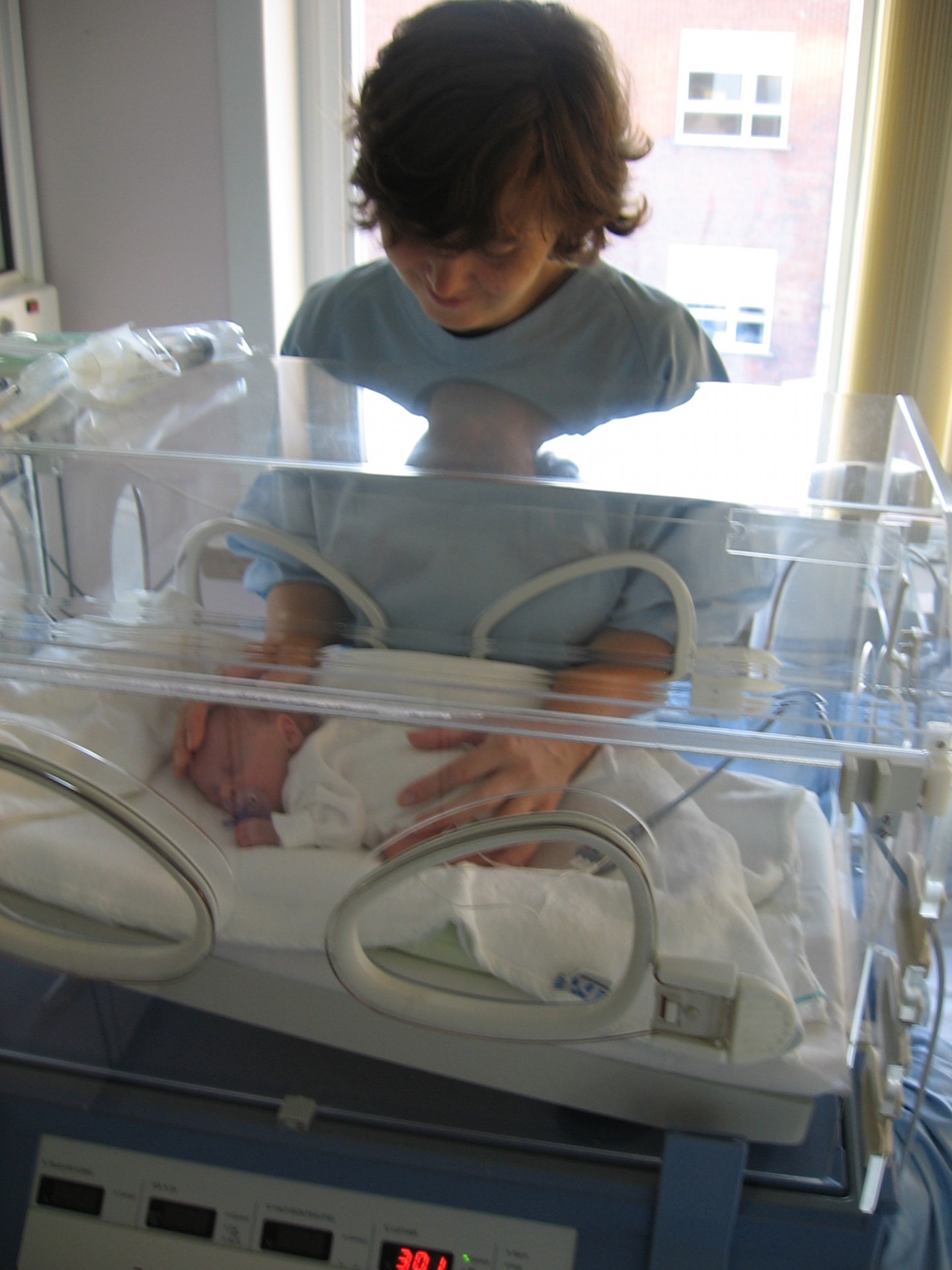
With premature babies facing lung problems, researchers with the Children’s Lung Health group are working to identify ways to improve the long-term impact.
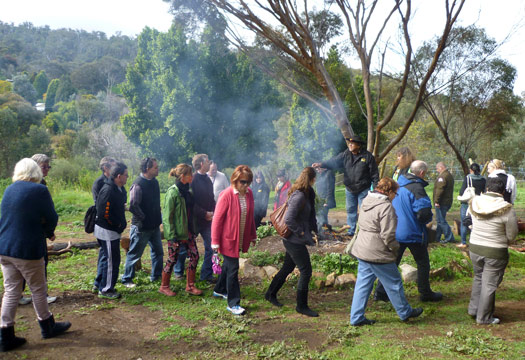
Dr Michael Wright remembers the 'aha' moment while working with distressed Nyoongar families to identify what was limiting engagement with services.