
Search

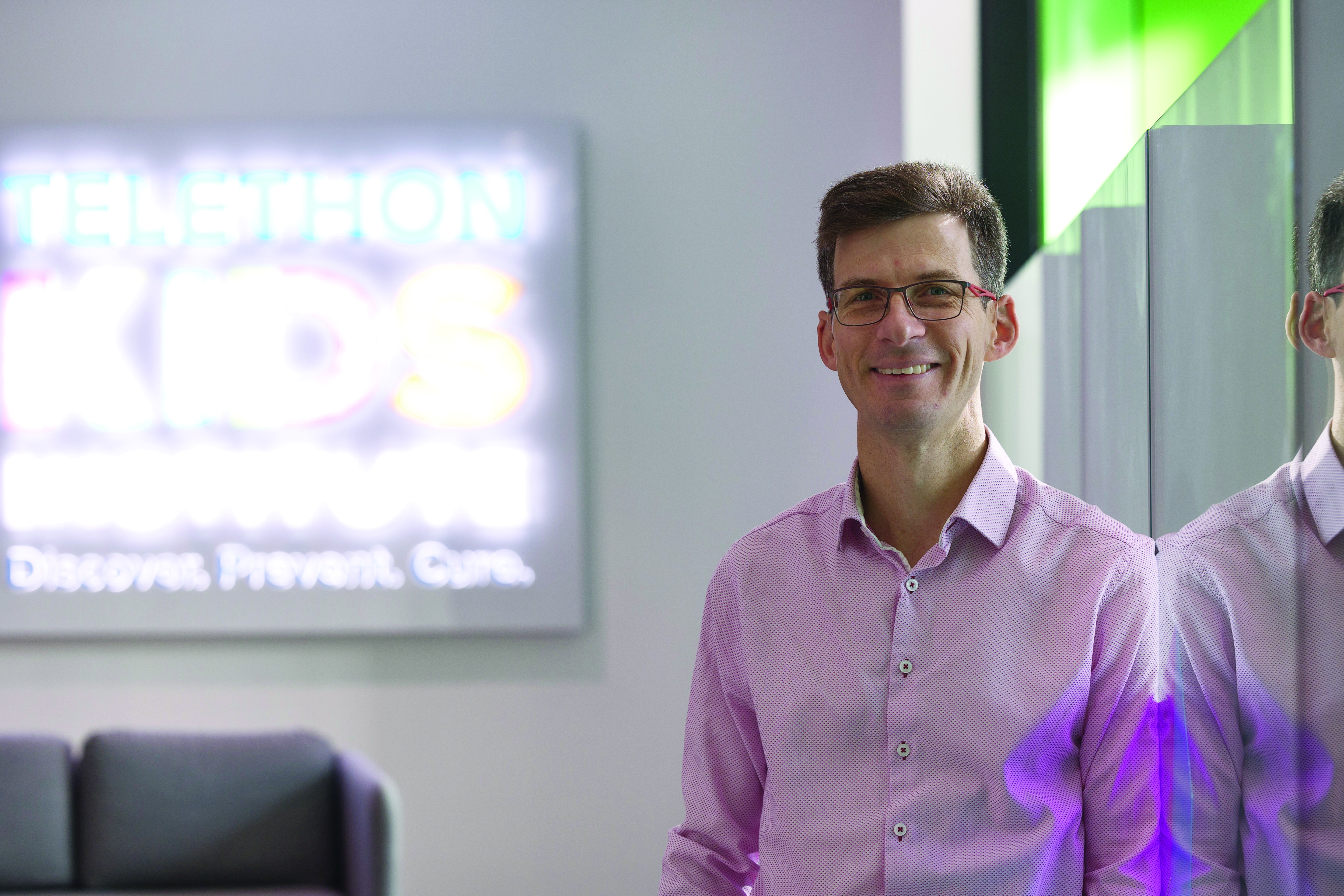
Professor Jonathan Carapetis has made eliminating rheumatic heart disease his life’s work.
A bold research program is working to give young children lifelong protection against influenza

Despite respiratory syncytial virus (RSV) being the leading cause of hospitalisations in the first year of life, there is currently no routine preventative option for otherwise healthy babies.

A new rapid research funding model is translating into quick results.
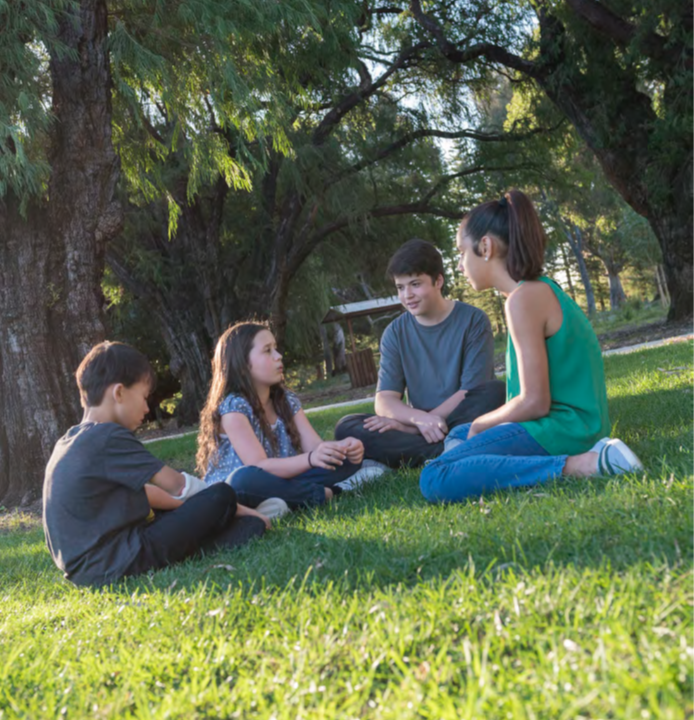
Can young people experiencing homelessness be part of the solution in suicide prevention? That is the question youth mental health researchers at Embrace at The Kids Research Institute Australia will investigate.
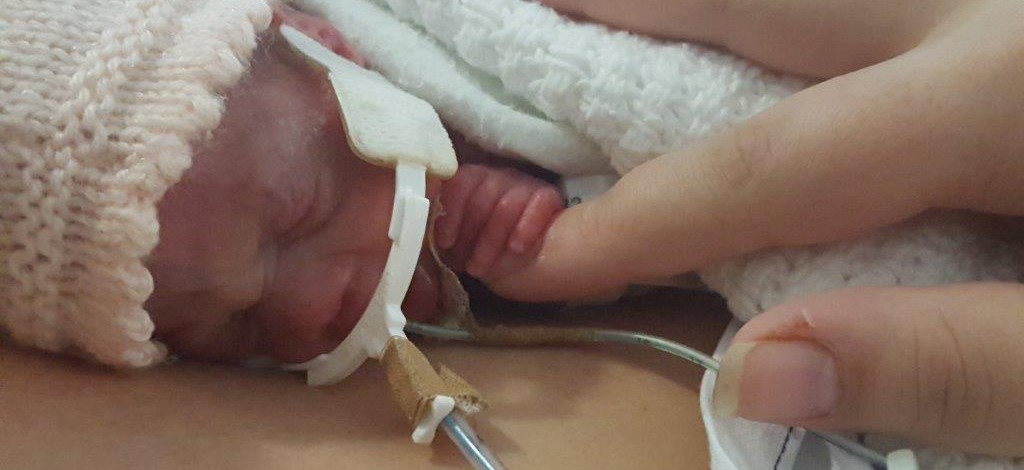
When KEMH specialists first suggested using coconut oil to treat the fragile skin of Kimberly Rohrlach’s extremely premature first-born child, Isabella, she thought it was more than a little weird.
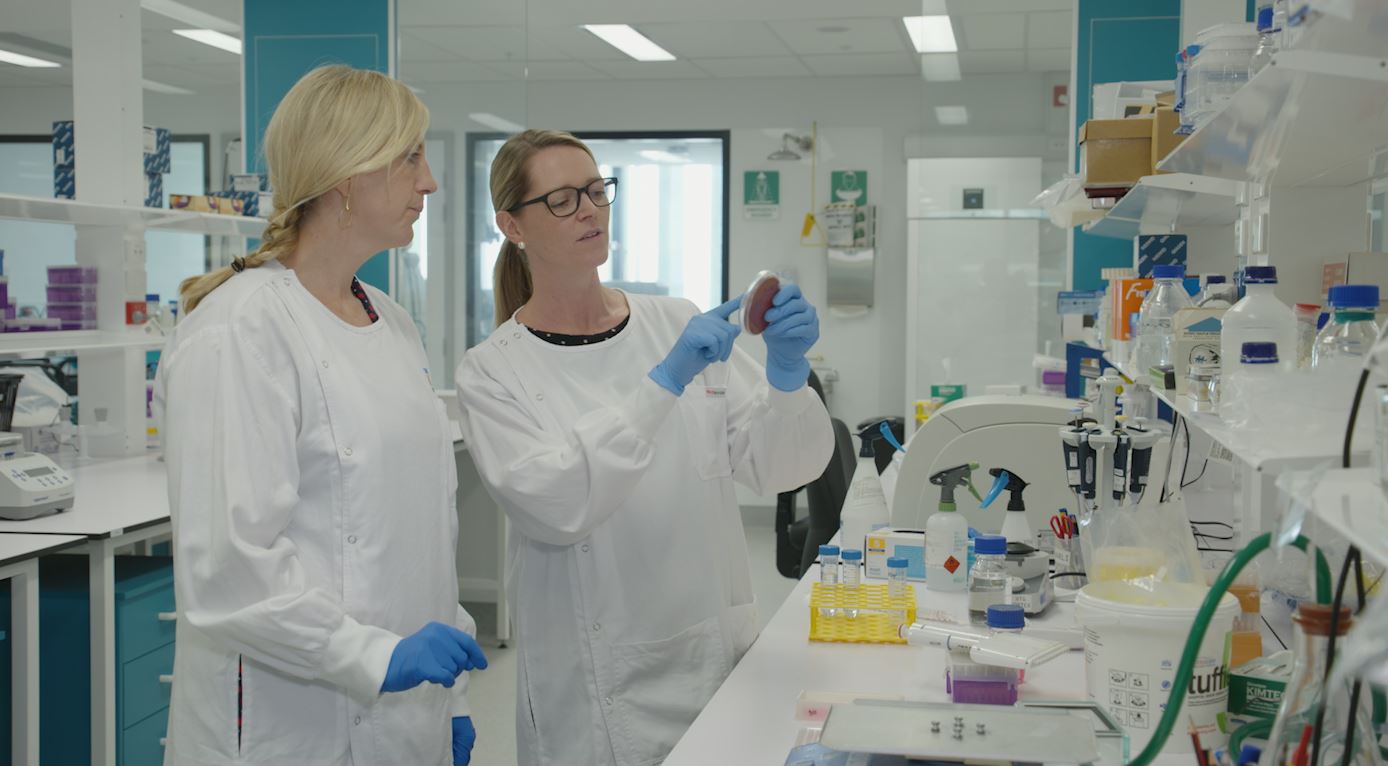
Wiping out childhood ear infections could become a reality thanks to new research identifying the main bacteria responsible for recurrent ear infections and repeat ear surgeries.
Bullying is now regarded as a health problem and not just a disciplinary problem. Increasing evidence shows both traditional bullying (e.g. hitting, teasing) and cyberbullying have lasting effects on young people (both those who bully and those who are bullied), including damage to self-esteem, academic results and mental health.
On this Research Impact page, we list stories helping demonstrate how we collaborate with other leaders, innovators, communities, and international stakeholders to ensure excellent research results. The better our results, the better the chances of research making a real difference.
On this Research Impact page, learn about our work that's actively translated as Government policy or in active practice. Learn how our research is making a difference in people's lives - not tomorrow, next week, or next year - but today!