
Search
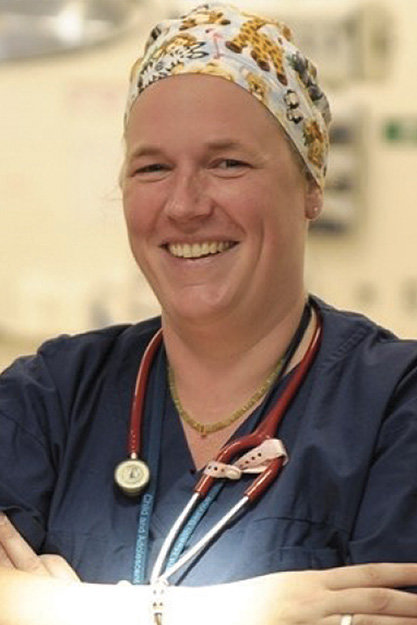
The Kids Research Institute Australia’s Perioperative Medicine team is helping to change global and local practice by finding safer and gentler ways to both undertake surgery, and care for kids and families afterwards.
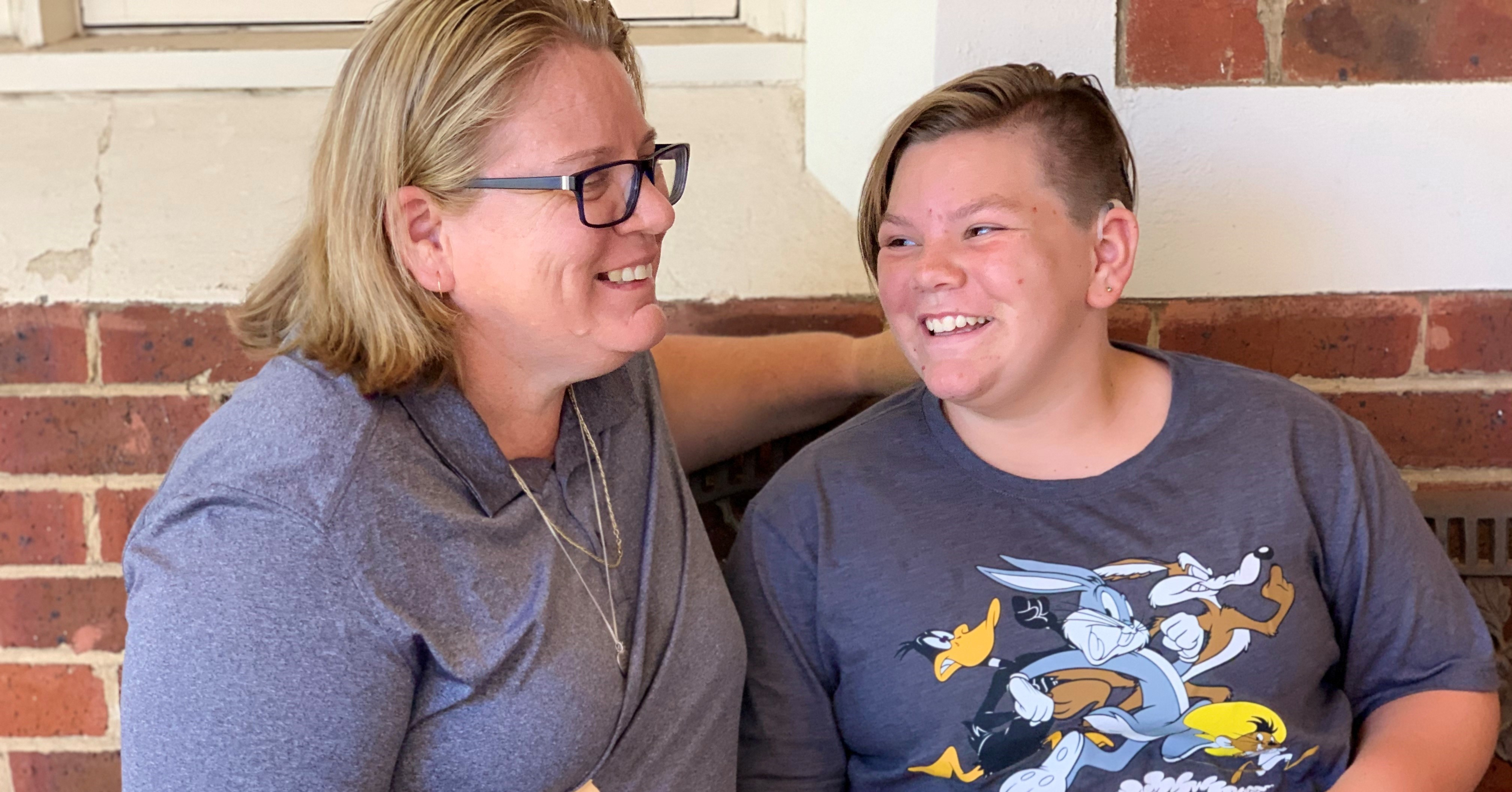
Adolescence can be challenging for all kids, but especially for those who are Deaf or hard-of-hearing. New resources developed by The Kids Research Institute Australia aim to make life a little easier.
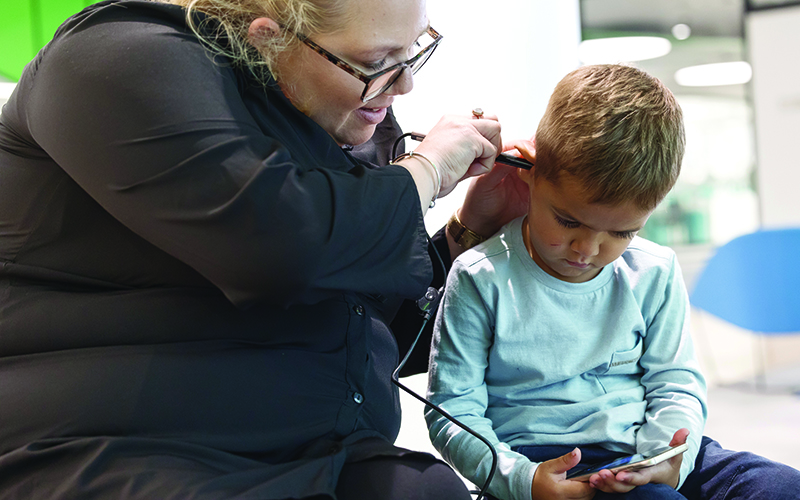
An innovative The Kids program is helping to slash waiting times so children can have their ear problems checked within days.
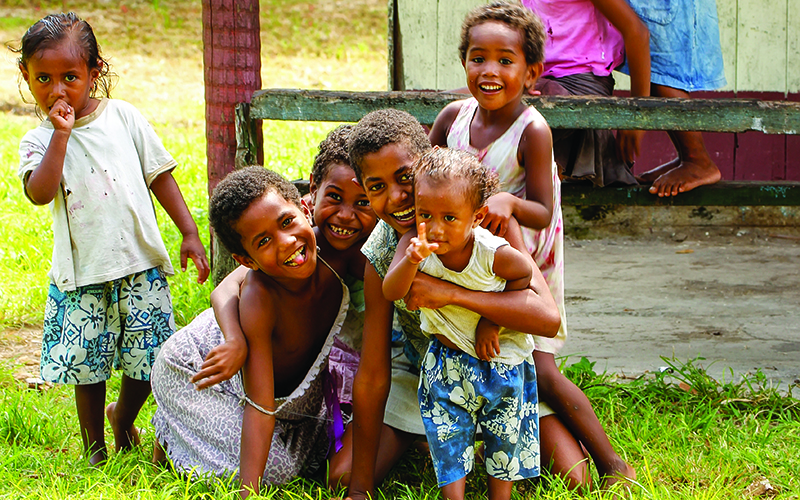
Children in the tiny Pacific nation of Tuvalu face a unique threat that should be a wake-up call to other countries across the world.
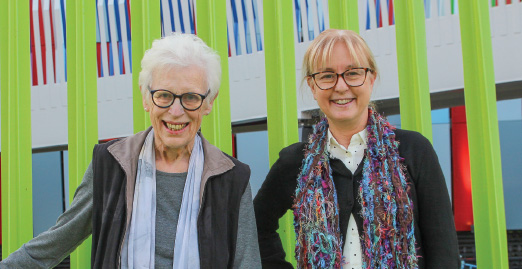
The Kids Research Institute Australia is helping scientists across the globe inch their way towards clinical trials which could, at last, provide relief for children and families dealing with CDKL5.
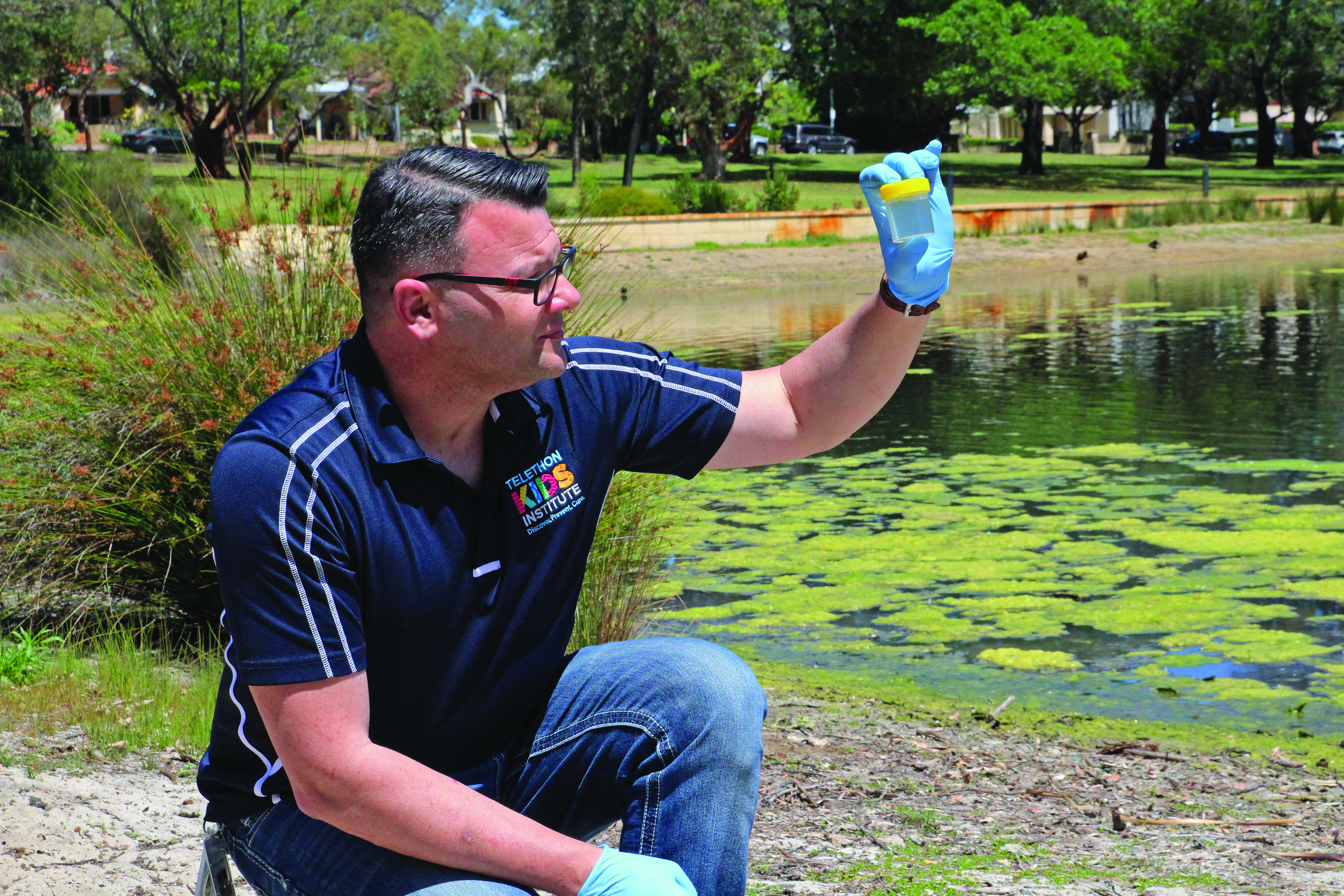
Perth researchers discovered a naturally occurring virus living in the city’s waterways that could potentially fight antibiotic-resistant superbugs.
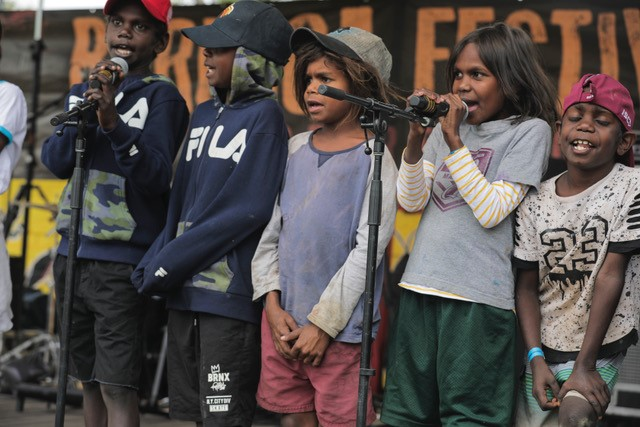
A song written by kids in Barunga as part of the END RHD Communities Project is helping prevent the spread of infections that cause rheumatic heart disease in remote Aboriginal Communities.
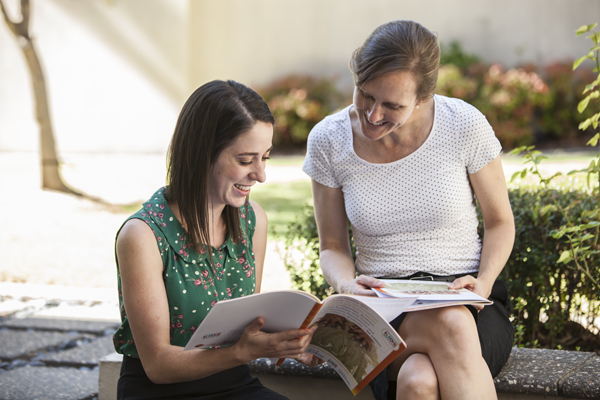
The first ever National Healthy Skin Guideline has become the gold standard for the treatment, prevention and public health control of skin infections in Indigenous populations in Australia and provides a positive framework for healthy skin.

Supporting parents of trans and gender diverse kids.
To determine age-specific and age-standardised incidence trends of acute rheumatic fever (ARF) or rheumatic heart disease (RHD) among Indigenous Western Australians aged less than 35 years of age.