
Search

Shakara Liddelow-Hunt secured STARS funding to attend a two-day workshop, Start Talking About Relationships & Sexual Health Training.
The aim of this study was to develop best practice guidelines for preventing suicide and reducing suicidal thoughts and behaviours in LGBTQA+ young people (lesbian, gay, bisexual, trans, queer/questioning, asexual, and those of other diverse sexualities and genders) within clinical and community service settings in Australia.
There is a dire paucity of research into the burden, correlates and motives of substance use among trans young people in Australia.
Amy Penelope Yael Finlay-Jones Strauss Perry BPsych(Hons), MPsych(Clinical), MHealthEcon, PhD (Clin Psych) BA, MPH, PhD BPsych (Hons) MPsych (Clin)
Though significant research highlights higher rates of mental ill-health and substance use among trans, non-binary and gender diverse (henceforth 'trans') young people, little research has considered patterns, contextual characteristics, and correlates of co-occurring experiences of mental ill-health and substance use among trans young people.
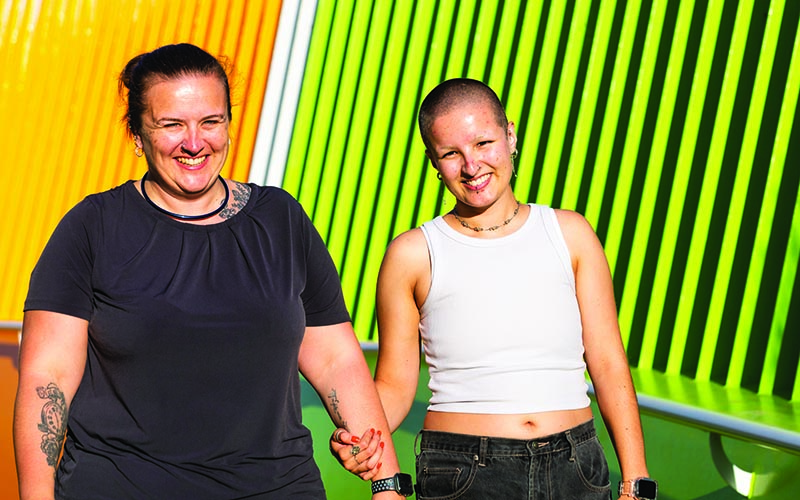
A new website for parents of trans children and young people across Australia is expected to improve family wellbeing and ultimately save lives after launching in May 2023.
Young people who are lesbian, gay, bisexual, trans, queer or questioning, asexual and other diverse genders and sexualities (LGBTQA+) are at greater risk of adverse mental health outcomes and suicide, with additional barriers to accessing safe and affirming physical and mental health services in comparison to the general population.
The health and well-being of transgender, non-binary, and gender-diverse people is receiving increasing attention from epidemiologists and public health researchers, including those utilizing longitudinal observational cohort studies.
The construct of empowerment is associated with beneficial outcomes in numerous populations with well-being across multiple domains. Within families, empowerment has been found to be related to both parent and child well-being. As such, empowerment appears to be a promising concept to support parents of young (< 18 years) trans and gender diverse children and adolescents; however, what empowerment means for parents of trans children and adolescents is not known.
Trans adolescents experience and anticipate stigma to the detriment of their mental health; however, trans adolescents have rarely been consulted about their stigma experiences. This study aimed to understand trans adolescents’ lived experiences of experienced and anticipated stigma.