
Search
This project explores the mental health and support needs of Australians with complex experiences of gender-affirmation.
This project aims to visually map the journeys and experiences of LGBTQA+ young people in Australia with lived experience of accessing mental health support through formal healthcare, youth and community services, and informal networks of care.
Stigma towards individuals with mental health concerns is a global issue, including among young people at ultra-high risk (UHR) for psychosis. This study compared two written anti-stigma resources: (a) Education and (b) Lived Experience + Education, among young adults and parents/caregivers.
Climate change is both an environmental crisis and a growing source of psychological distress for young people, calling for responses that nurture emotional resilience and collective engagement. The emerging response to climate distress has mainly focused on formal psychological and individual-level interventions.
Gender- and sexuality-diverse (GSD) youths are at increased risk of depression and anxiety compared with their cisgender and heterosexual counterparts. Little is known about the risks for younger GSD adolescents (<15 years).
Psychological prevention programmes delivered in schools may reduce symptoms of depression. However, high-quality, large-scale trials are lacking.
LGBTQA + people are less likely to access mental health care despite an increased risk of adverse mental health outcomes including suicidal thoughts and behaviours. The present study aimed to explore Australian LGBTQA + young people's perceptions of key factors associated with access to suicide prevention services.
Young Australians experiencing homelessness are at elevated risk of suicidal thoughts and behaviors. LivingWorks’ safeTALK training teaches people the necessary skills for responding to someone thinking of suicide, including how to connect them with further support.
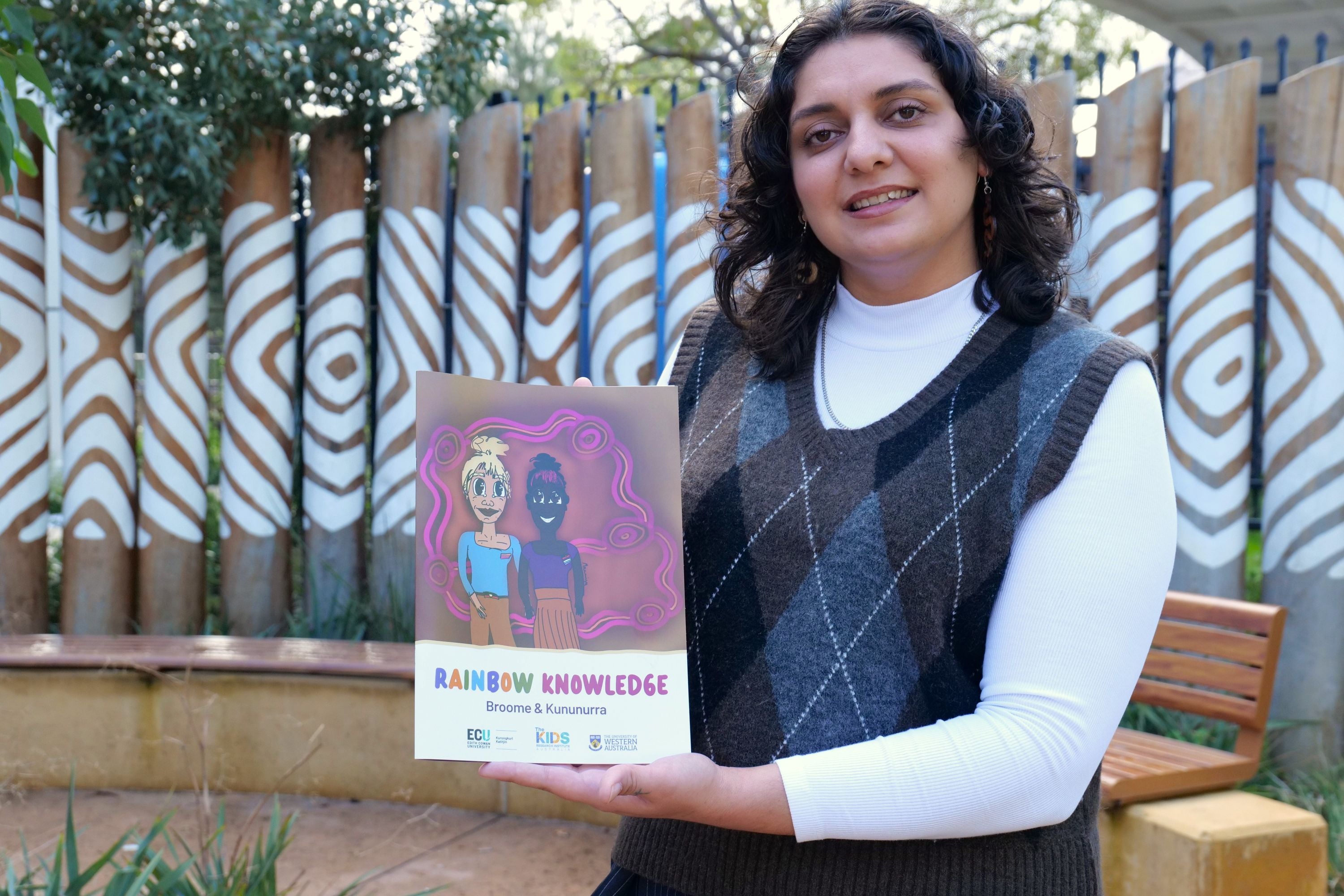
Walkern Katatdjin's Lily Hayward was the report's lead author.

Three researchers from The Kids Research Institute Australia were recognised as being among Western Australia’s brightest and most innovative scientific minds at last night’s 24th Premier's Science Awards.