
Search

Technology is an important part of diabetes management but its important to stay cybersecurity aware.
The ‘Ngangk Ngabala Ngoonda (Sun Safety) of Aboriginal young mob of WA’ is a community-led project that aims to identify the sun safety needs and strengthen sun safety knowledge of Aboriginal Children and Young People in Western Australia.
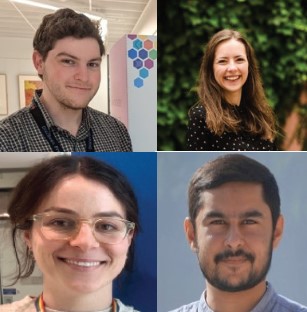
Scholarships now open
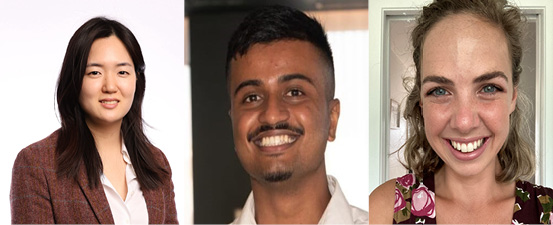
We provide opportunities for integrated research and clinical projects and scholarships are granted on a competitive basis to outstanding candidates.
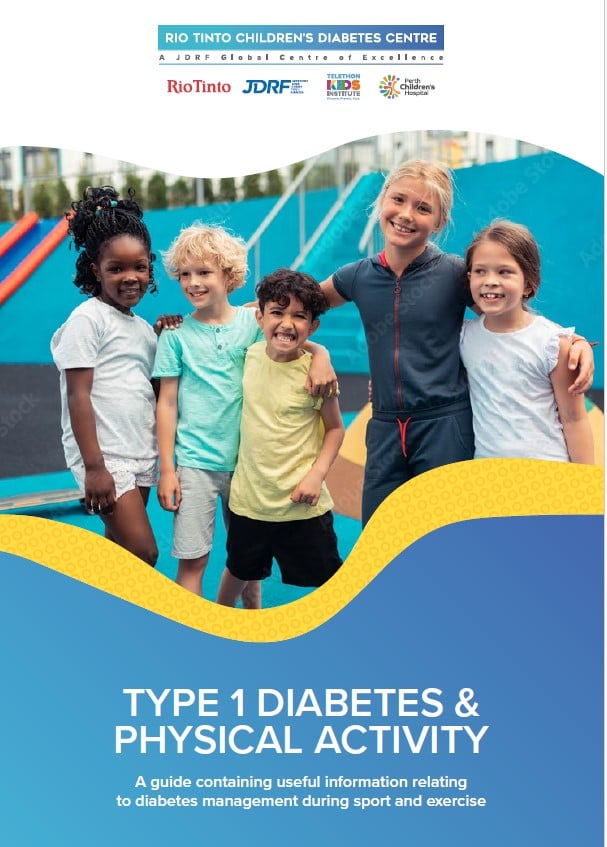
First-of-its-kind T1D sports resources have been designed to help coaches better understand the chronic condition and to encourage youth living with T1D to stay physically active.
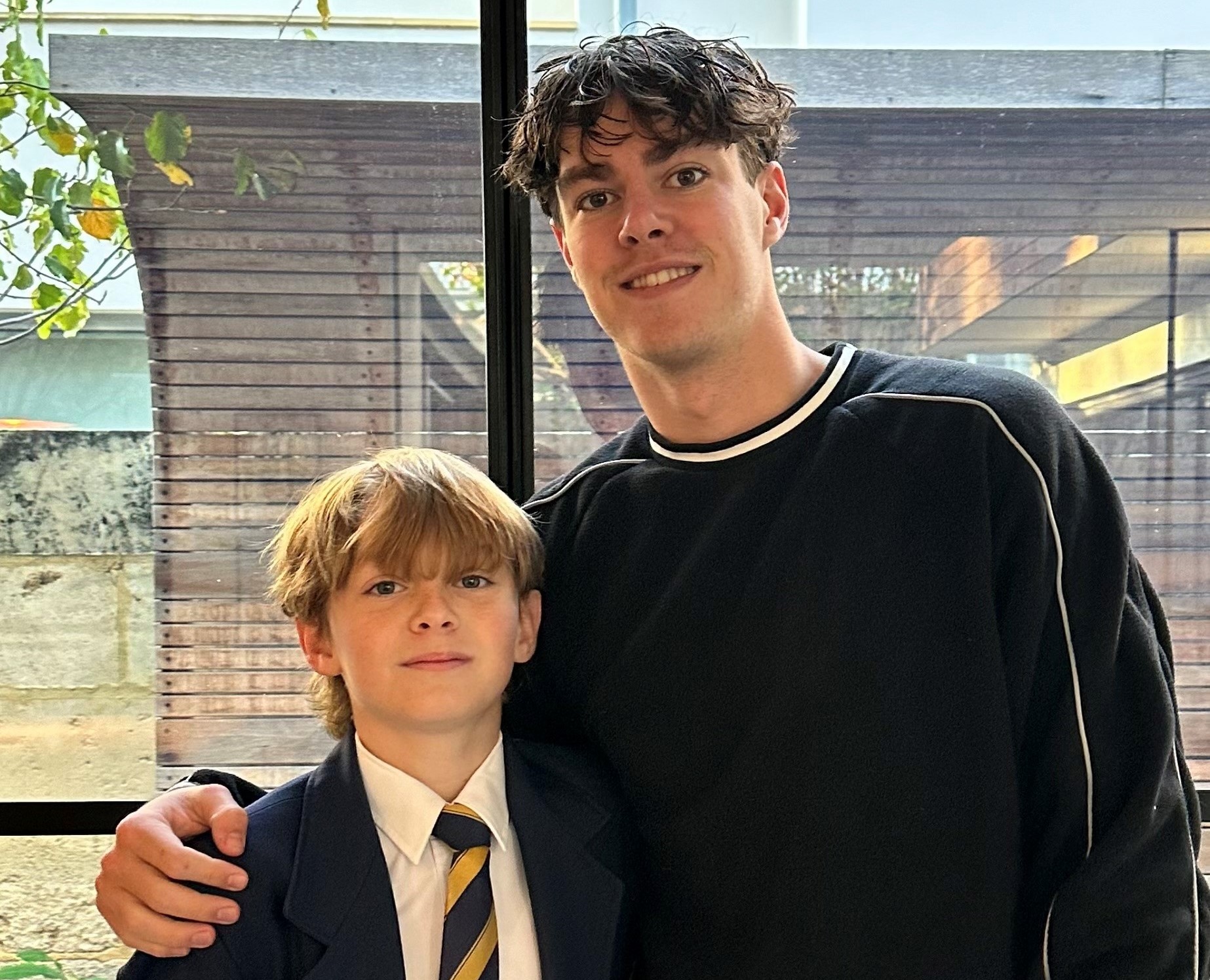
We spoke to Oscar and asked him to share his story about the challenges he faces when trying to support his brother, joining the Centre as a student and what T1D research means to him, his brother and his family.
Neutrophils are a type of immune cell that can trigger inflammation and may play a role in the development of MS.
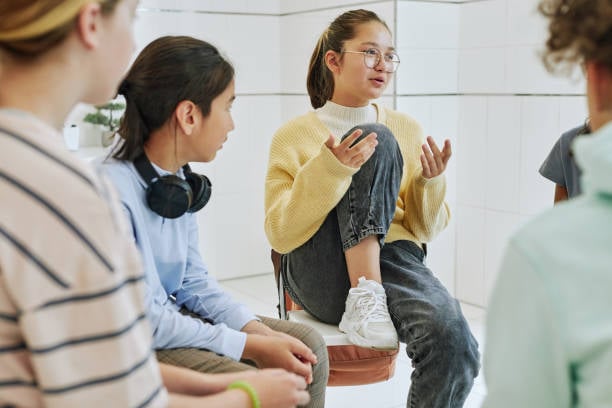
A new research study conducted by Professor Jeneva Ohan and Dr Keely Bebbington aims to develop our understanding of how adolescents navigate these disclosure decisions, and how we can support them to feel more confident when talking to others about their diabetes.
Evaluating the biological activity of a single dose of encapsulated oral semaglutide in healthy adults over a period of one week.
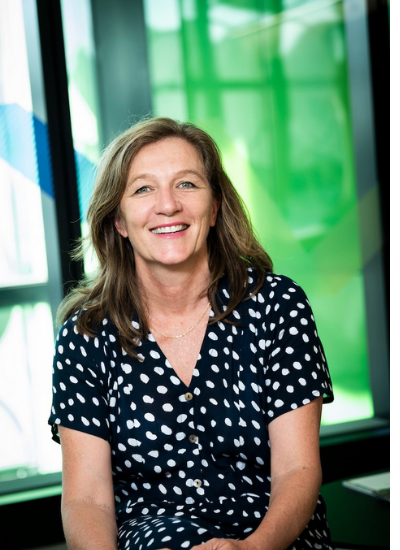
Congratulations to Professor Liz Davis and her team at the Rio Tinto Children's Diabetes Centre, who have received significant digital health grants through the Future Health Research and Innovation (FHRI) Fund.