
Search

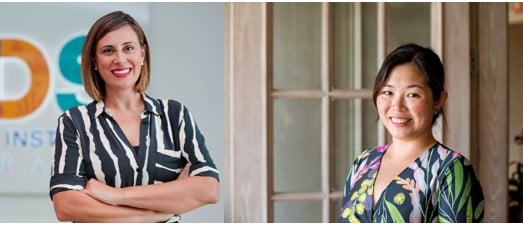
To celebrate International Day of Women and Girls in Science, we asked some of the research team to share why science is the key to success and their tips for encouraging girls who want to pursue a career in STEM.

T1D can be a traumatic diagnosis for children and young people, and often involves strict adherence to painful treatments, comorbid mental health conditions, and shortened life expectancy.
Optimise+ is a research project designed to build on the best parts of LGBTQ+ community-controlled mental health and AOD services across Australia, with the aim of further enhancing service options.
The Rio Tinto Children's Diabetes Centre; a Breakthrough T1D Centre of Excellence is excited the announce the latest round of seed funding recipients.
The overarching aim of this project is to understand how plasmacytoid dendritic cells function in children with asthma and how genes and environmental stimuli influence these cells.

Dr Aniket Nadkarni

CliniKids runs a range of information sessions for parents and caregivers.
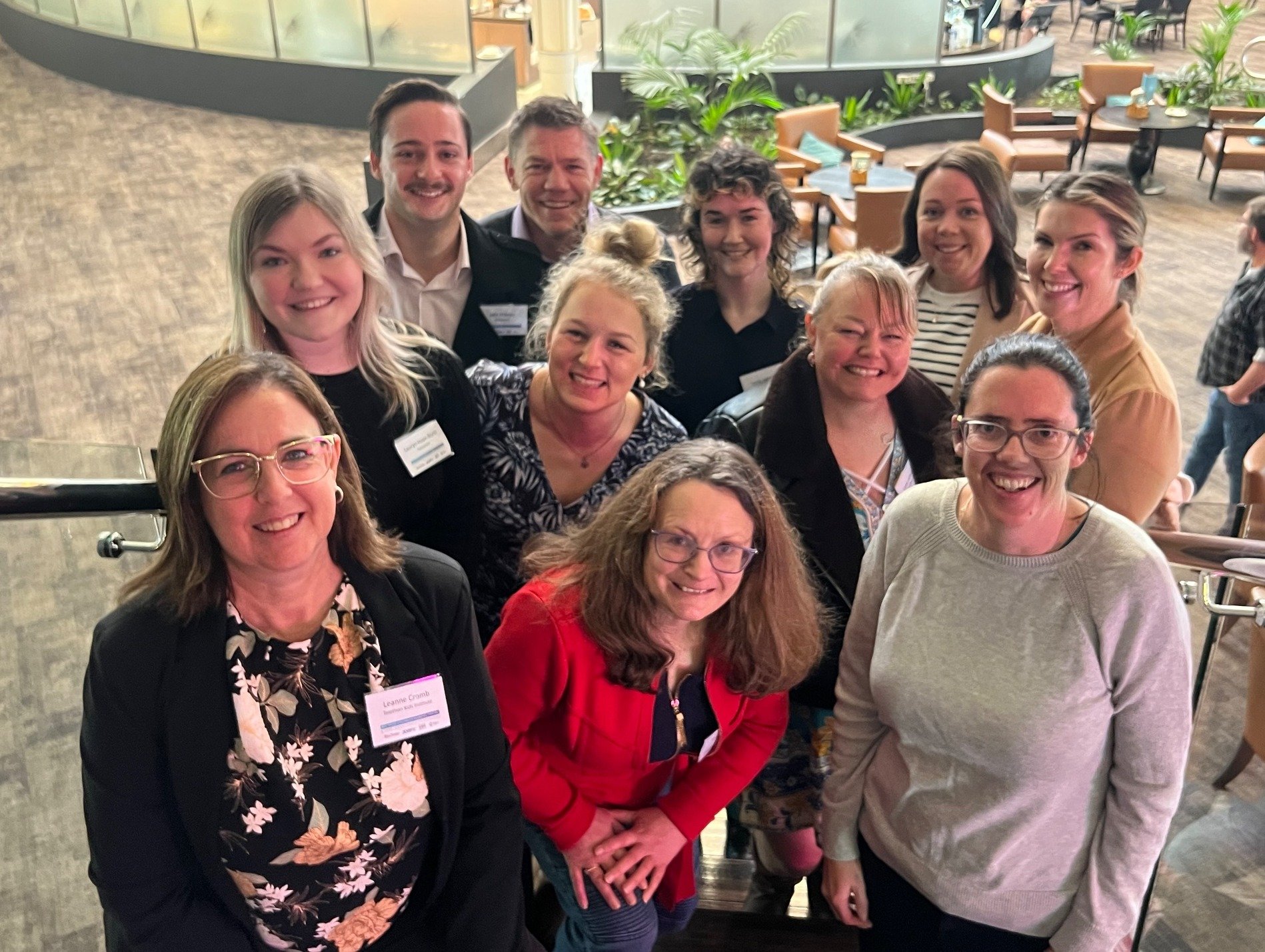
Community Involvement and Consumer Representatives are a really important part of our research. Find out what they have been working on.
This project explores the mental health and support needs of Australians with complex experiences of gender-affirmation.

PROs update