
Search
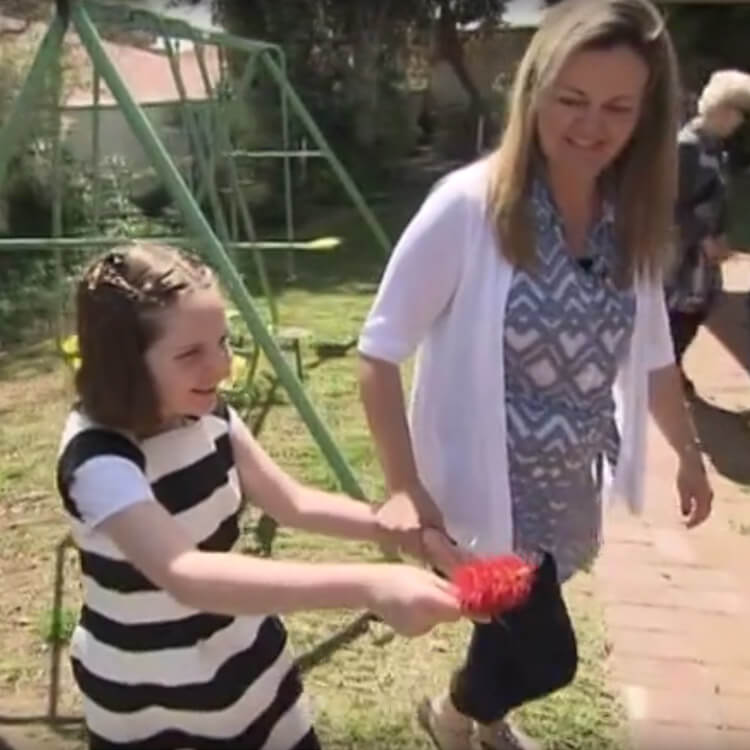
Researchers at The Kids Research Institute Australia are one step closer to finding better treatments for a rare disease causing children to have multiple seizures a day.
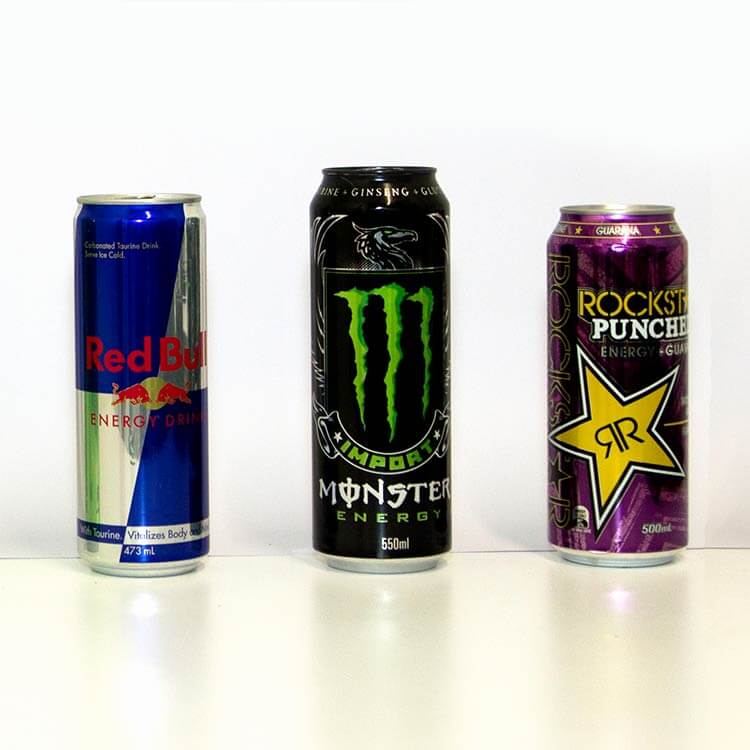
Researchers at the Telethon Kids Institute will study the health impacts of energy drinks on young people and develop guidelines for reducing consumption.

A new project aimed at reducing Fetal Alcohol Spectrum Disorder (FASD) in the Pilbara has been launched today in South Hedland.
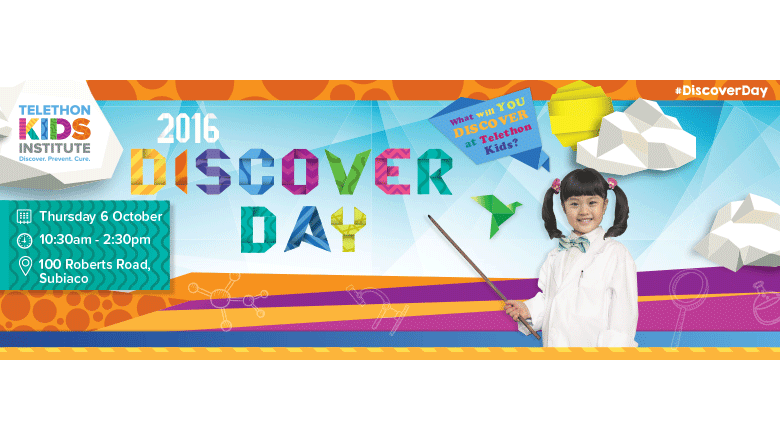
Join us this school holidays for a FREE family fun day at The Kids Research Institute Australia in Subiaco and discover how we are making a difference to child health.
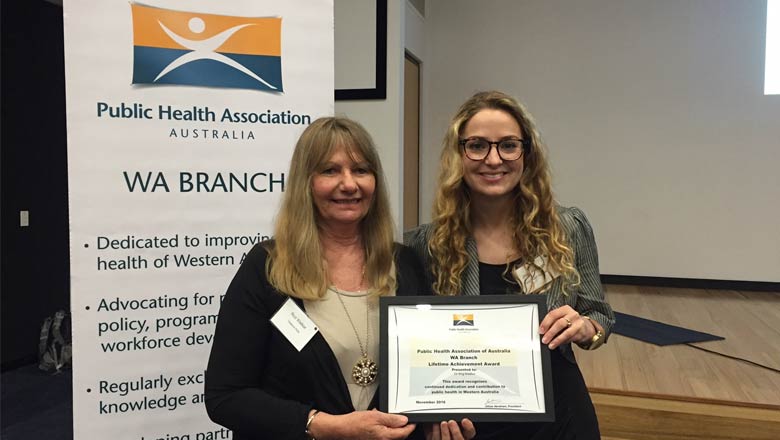
Two The Kids researchers working to improve the health & wellbeing of Aboriginal children & their families have both been honoured at the PHAA Awards.
Six leading health organisations have joined a new coalition to end rheumatic heart disease in Australia, disproportionately affecting Indigenous Australians.

Researchers at The Kids Research Institute Australia have found children with vitamin D deficiency are more likely to develop asthma.
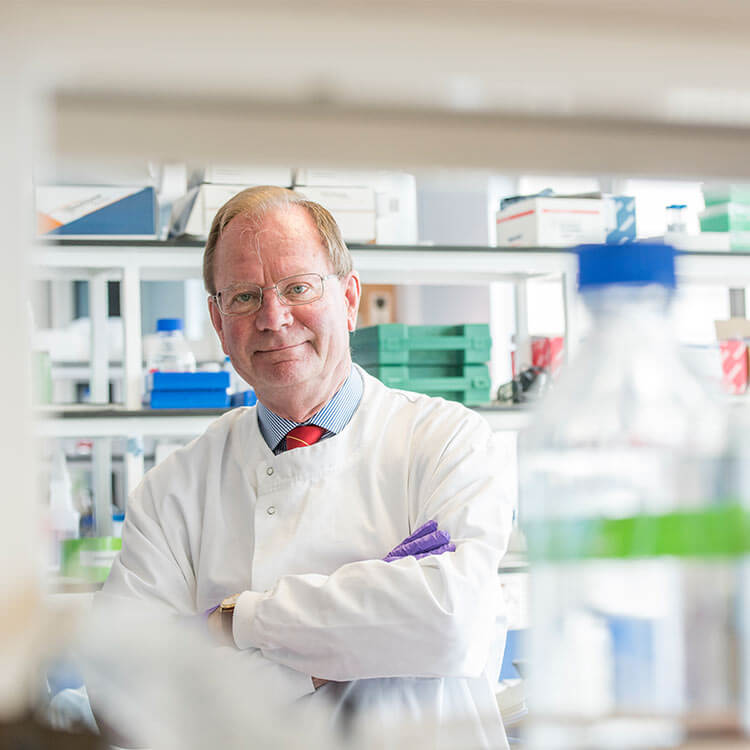
Join us for our Annual Community Lecture entitled "You Are What You Breathe" with Professor Stephen Holgate.
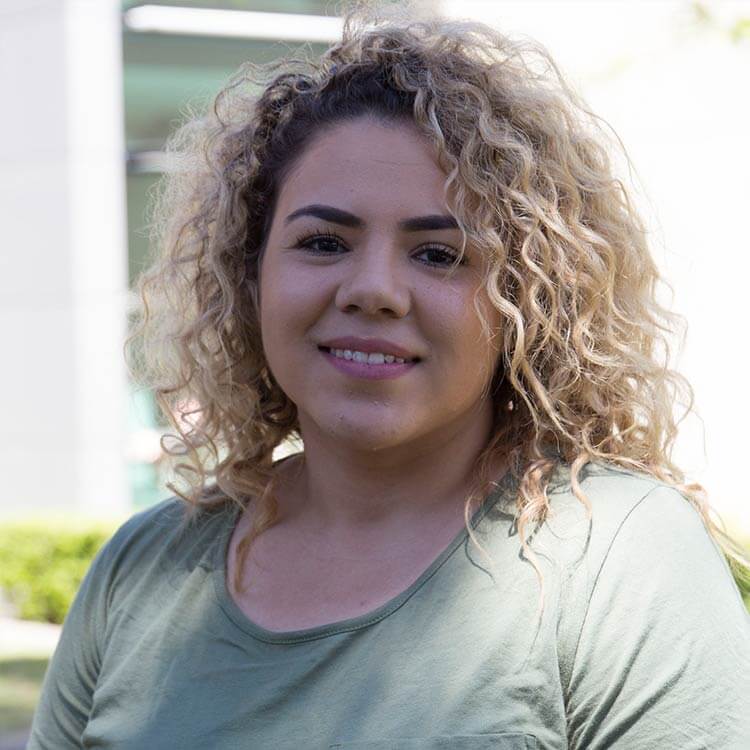
25 year old Noongar woman Tiana Culbong, a The Kids Research Institute Australia researcher, has been named as a finalist in the WA Youth Awards.
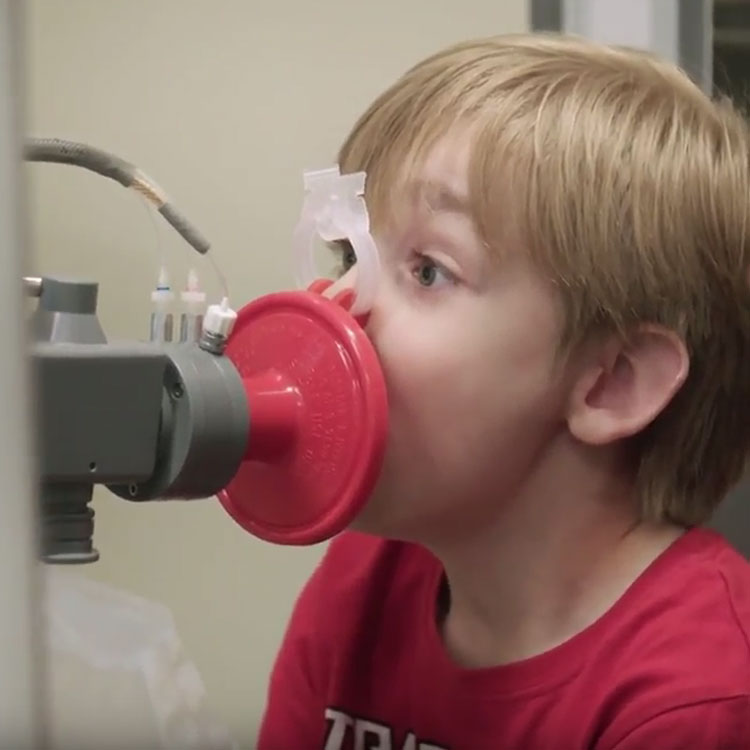
Australia has one of the highest burdens of asthma in the world. In this video, two Perth families share their story of raising children with the respiratory co