
Search

Strong advocacy efforts have paid off with health and food safety ministers from around Australia and New Zealand finally approving the recommended version of a warning label designed to highlight the potential risks of alcohol during pregnancy.
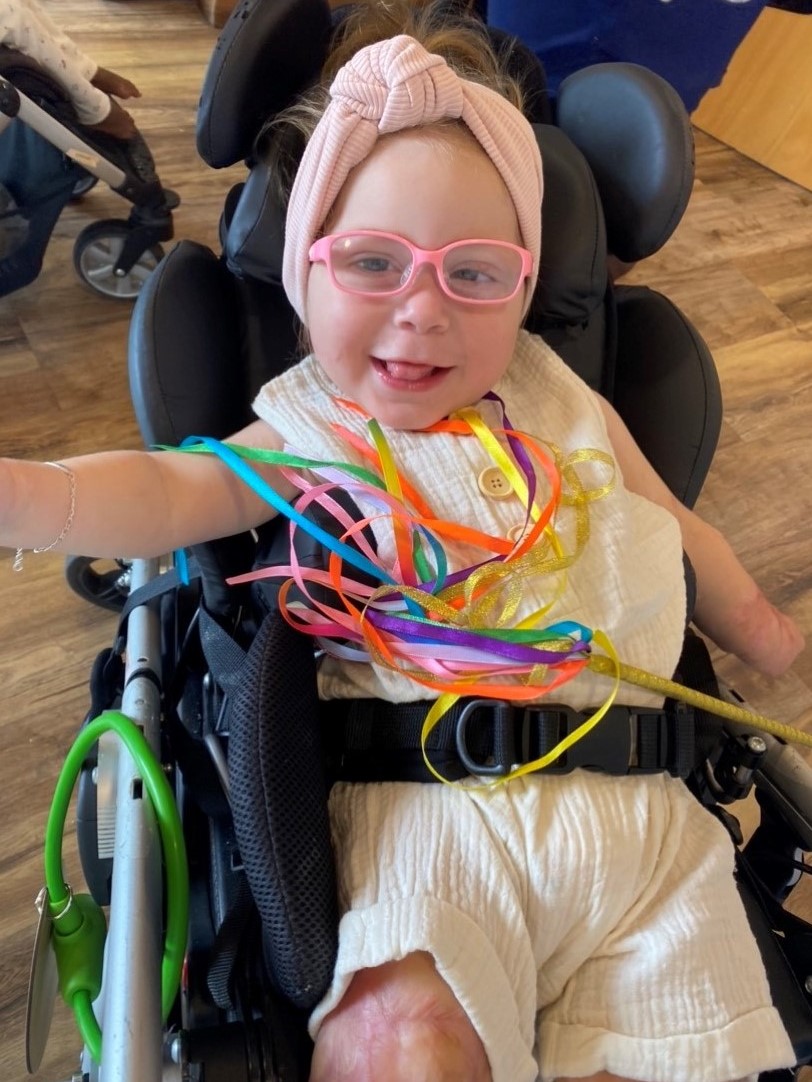
Ten years of dedicated research investigating the Meningococcal ACWY vaccine paid off 20 times over in 2019, after its inclusion on the National Immunisation Program saw a significant decrease in children being diagnosed with the deadly disease.
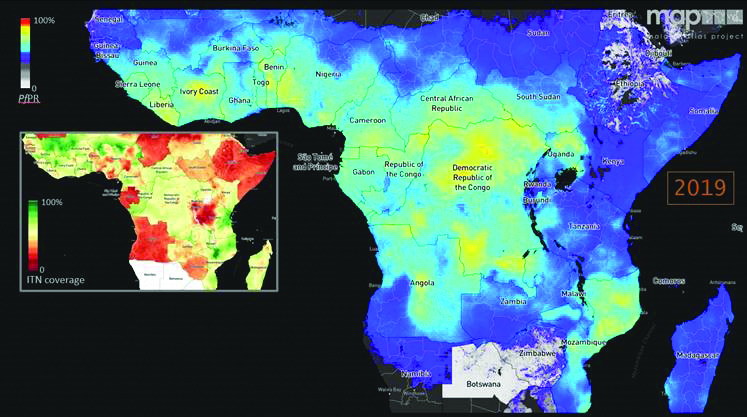
A global network of researchers led by Kerry M Stokes Chair of Child Health, Professor Pete Gething, is working to help support informed decision-making for malaria control at international, regional and national scales.
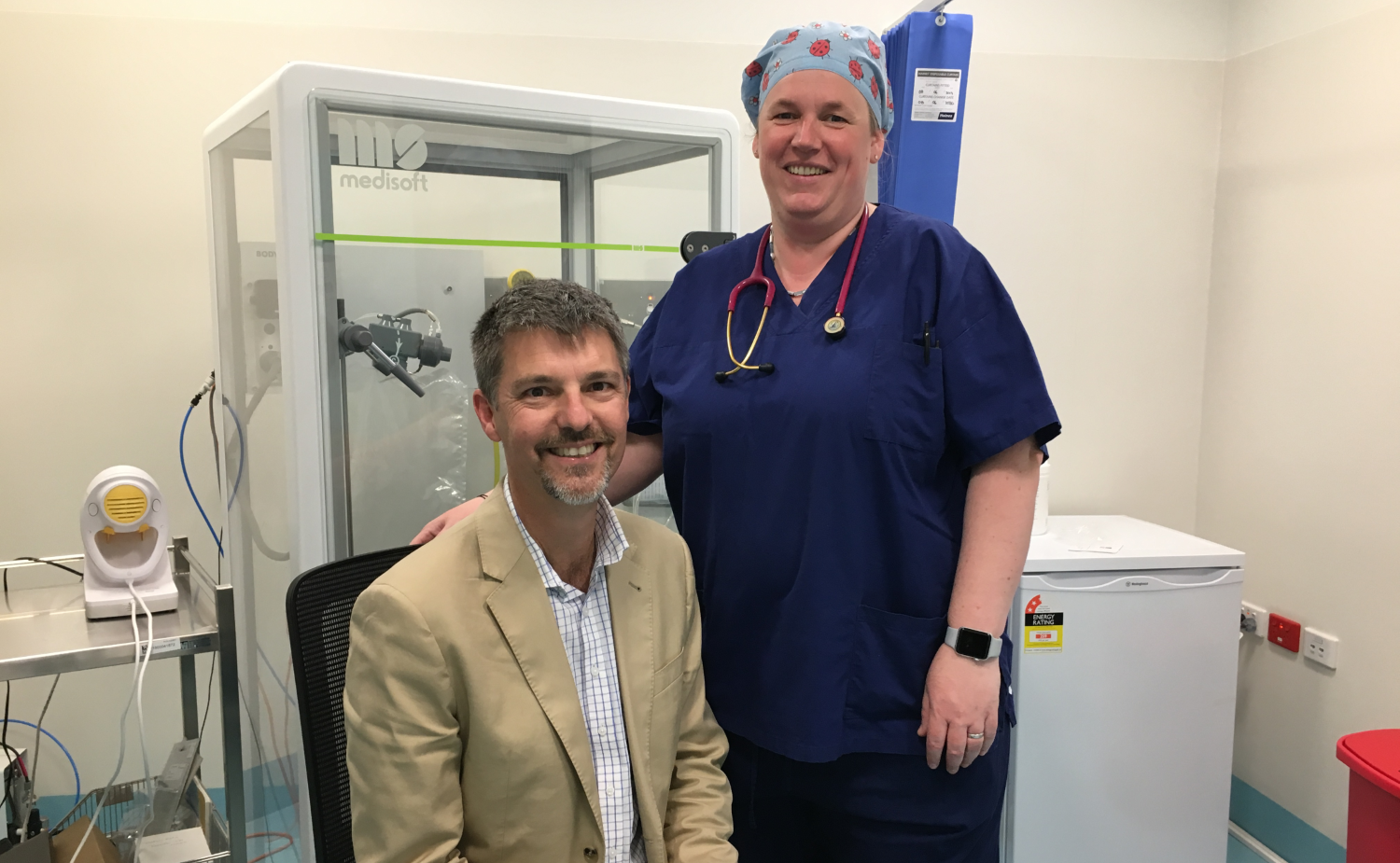
World-first findings from the collaborative REACT study – a joint project between The Kids, PCH, UWA and Curtin University – have led to the asthma medication Ventolin being routinely given to paediatric patients before tonsillectomy surgery to prevent respiratory complications.
Remote Aboriginal communities in Australia are located on traditional lands holding deep cultural significance and meaning for residents. However, systemic inequity rooted in colonisation has driven persistent housing and health disparities, with inadequate environmental health conditions within homes and communities a prominent example.
Malaria imposes a significant global health burden and remains a major cause of child mortality in sub-Saharan Africa. In many countries, malaria transmission varies seasonally. The use of seasonally-deployed interventions is expanding, and the effectiveness of these control measures hinges on quantitative and geographically-specific characterisations of malaria seasonality.
General movements (GMs) are part of the spontaneous movement repertoire and are present from early fetal life onwards up to age five months. GMs are connected to infants' neurological development and can be qualitatively assessed via the General Movement Assessment. In particular, between the age of three to five months, typically developing infants produce fidgety movements and their absence provides strong evidence for the presence of cerebral palsy.
Type 1 interferons (T1IFNs) are typically expressed in low concentrations under homeostatic conditions, but upon pathogenic insult or perturbation of the pathway, these critical immune signaling molecules can become either protectors from or drivers of pathology. While essential for initiating antiviral defense and modulating inflammation, dysregulation of T1IFN signaling can contribute to immunopathology, making it and its associated pathways prime targets for immune evasion and disruption by pathogens.
This study examines the enablers and barriers to accessing primary health care services from the perspective of Aboriginal and Torres Strait Islander people aged 15-24 years in urban southeast Queensland.
Acute rheumatic fever is a preventable condition that can lead to chronic illness and early death. Standard prevention with 4-weekly intramuscular (IM) benzathine penicillin G (BPG) injections for ≥10 years may be associated with poor adherence. High-dose 10-weekly subcutaneous penicillin injections (SCIP) may improve adherence by reducing injection frequency.