
Search
Characterised by varying degrees of difficulties in communication skills and social abilities, one in every 100 individuals will have a diagnosis of an autism spectrum condition. While autism is known to run in families, the exact causes remain unknown.
One in eight children have asthma, a chronic disease of the airways in the lungs. It results in shortness of breath, chest tightness, wheezing and coughing.
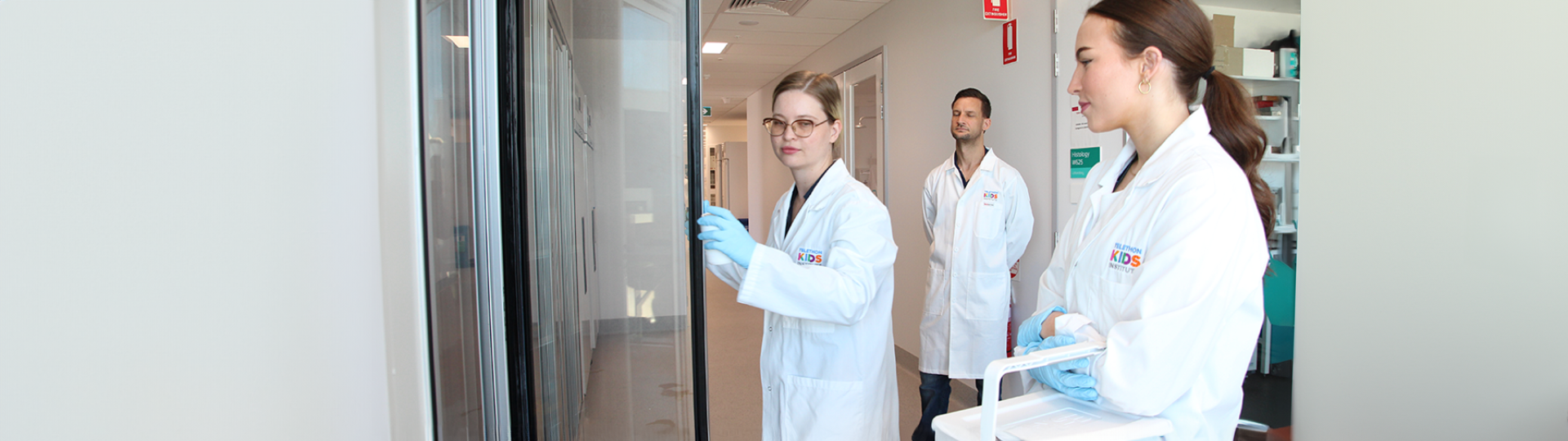
Within the Institute, we have a commitment to the highest standards of research with pro-active staff ensuring the lab environment is safe and secure.
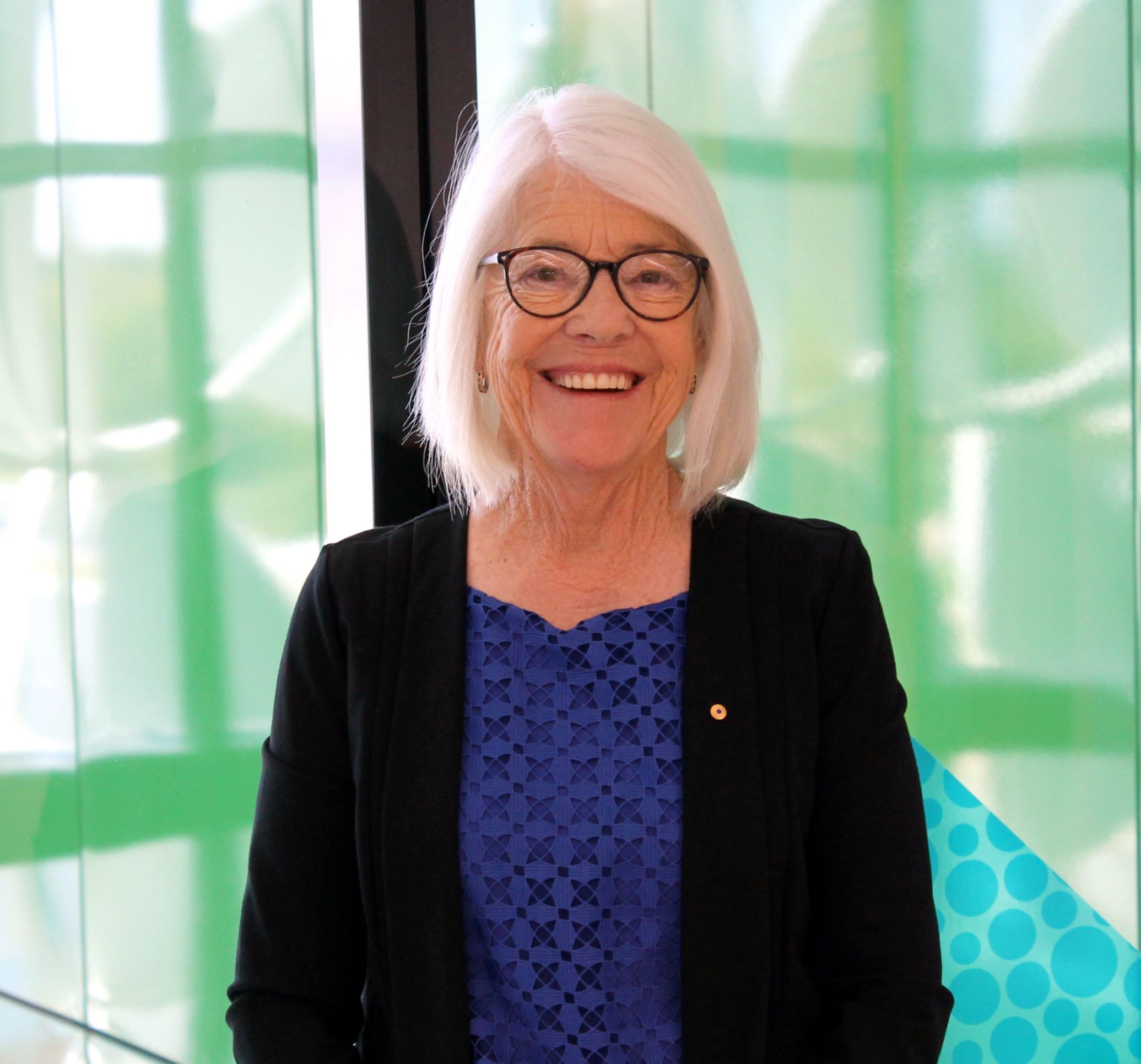
A legal change fought for by The Kids, consumer advocates, and others within the health sector – and hastened by the COVID-19 crisis – has brought WA into line with the rest of Australia, allowing critically ill or incapacitated patients access to potentially life-saving clinical trials.
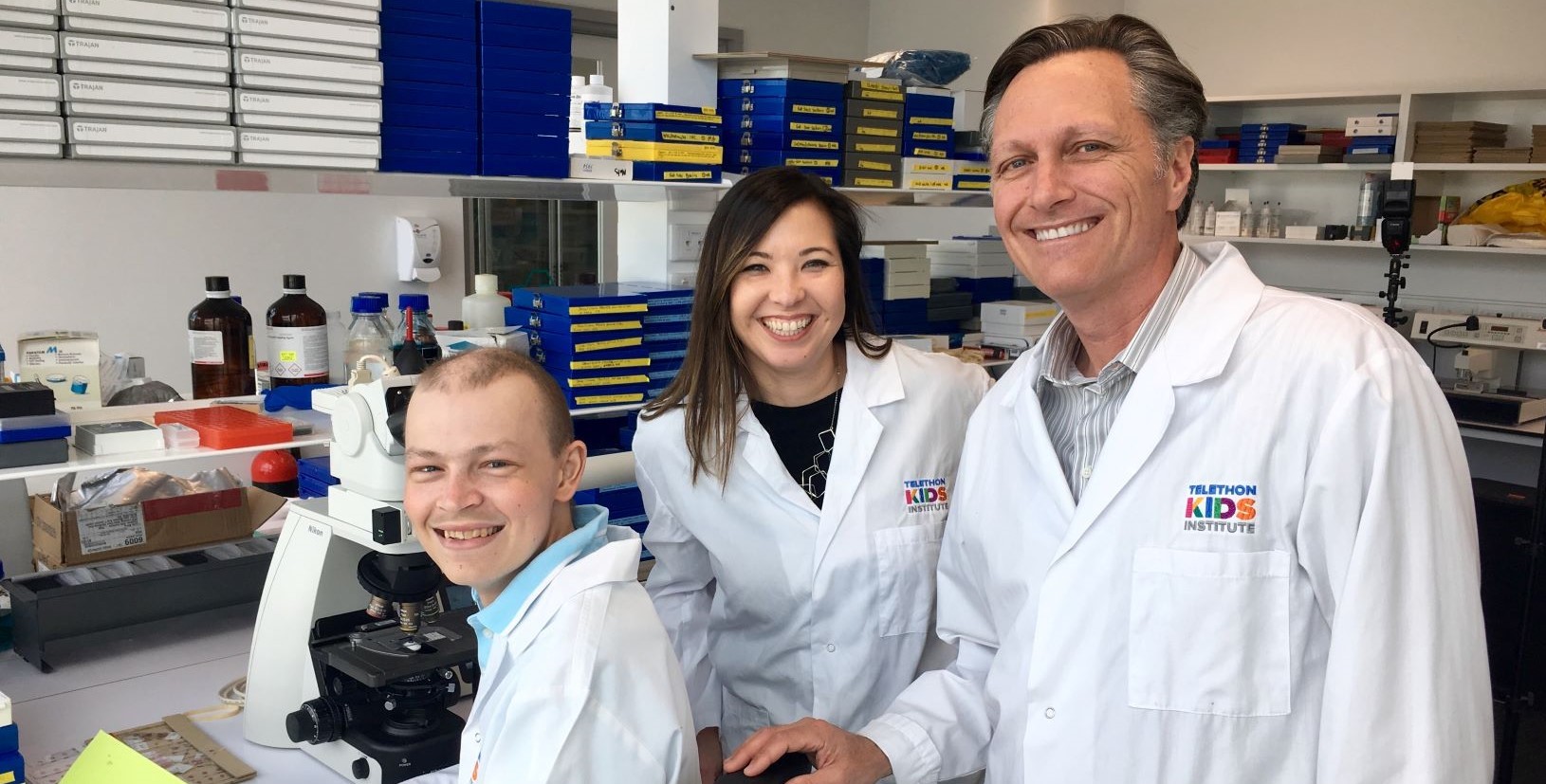
An international clinical trial led by The Kids Research Institute Australia Cancer Centre is trialling a drug which could increase cure rates for aggressive forms of childhood brain cancer.
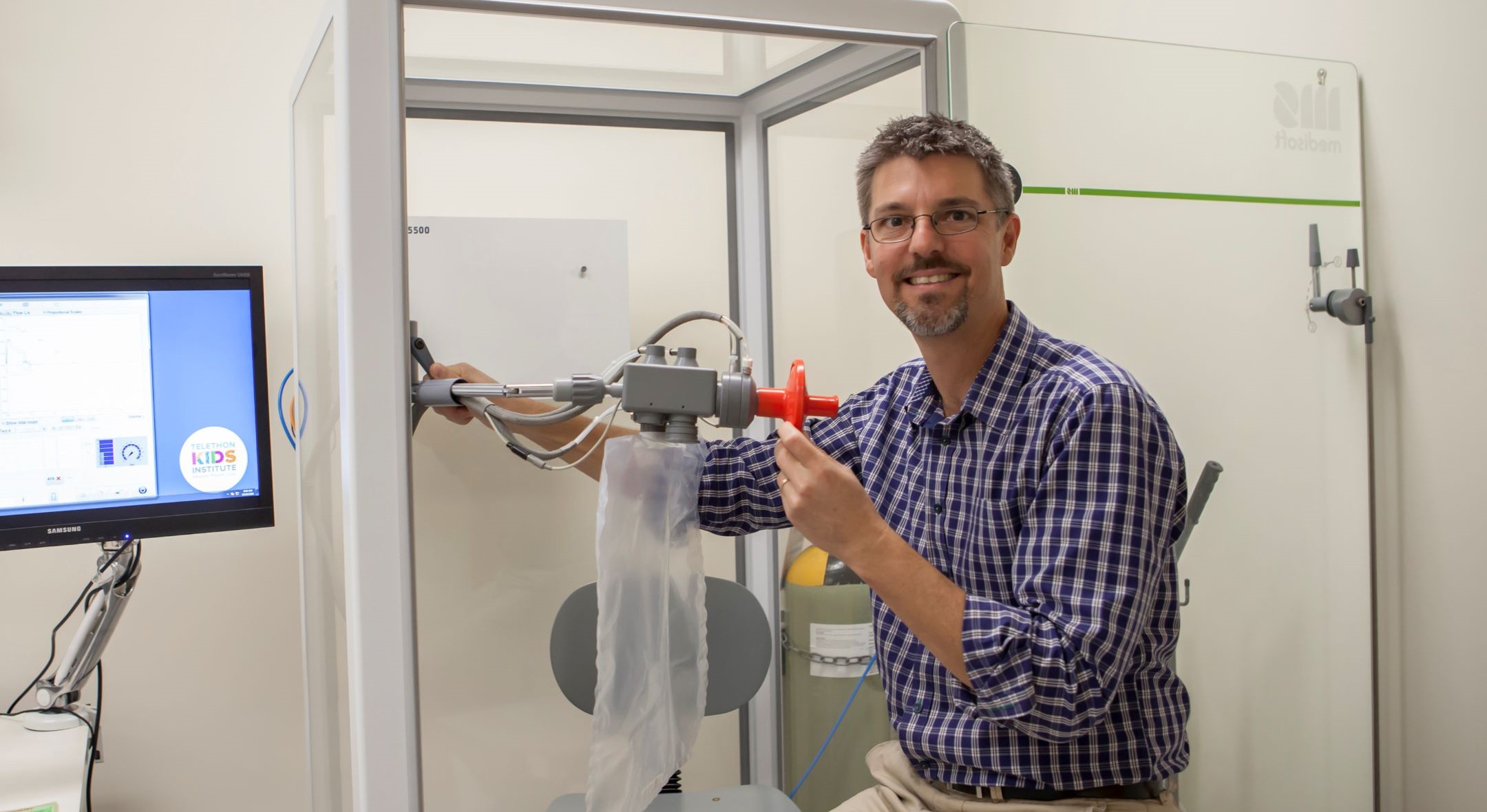
A global network of researchers and clinicians, co-led by The Kids’ Professor Graham Hall, has transformed international best practice in identifying low lung function and diagnosing and treating lung disease.
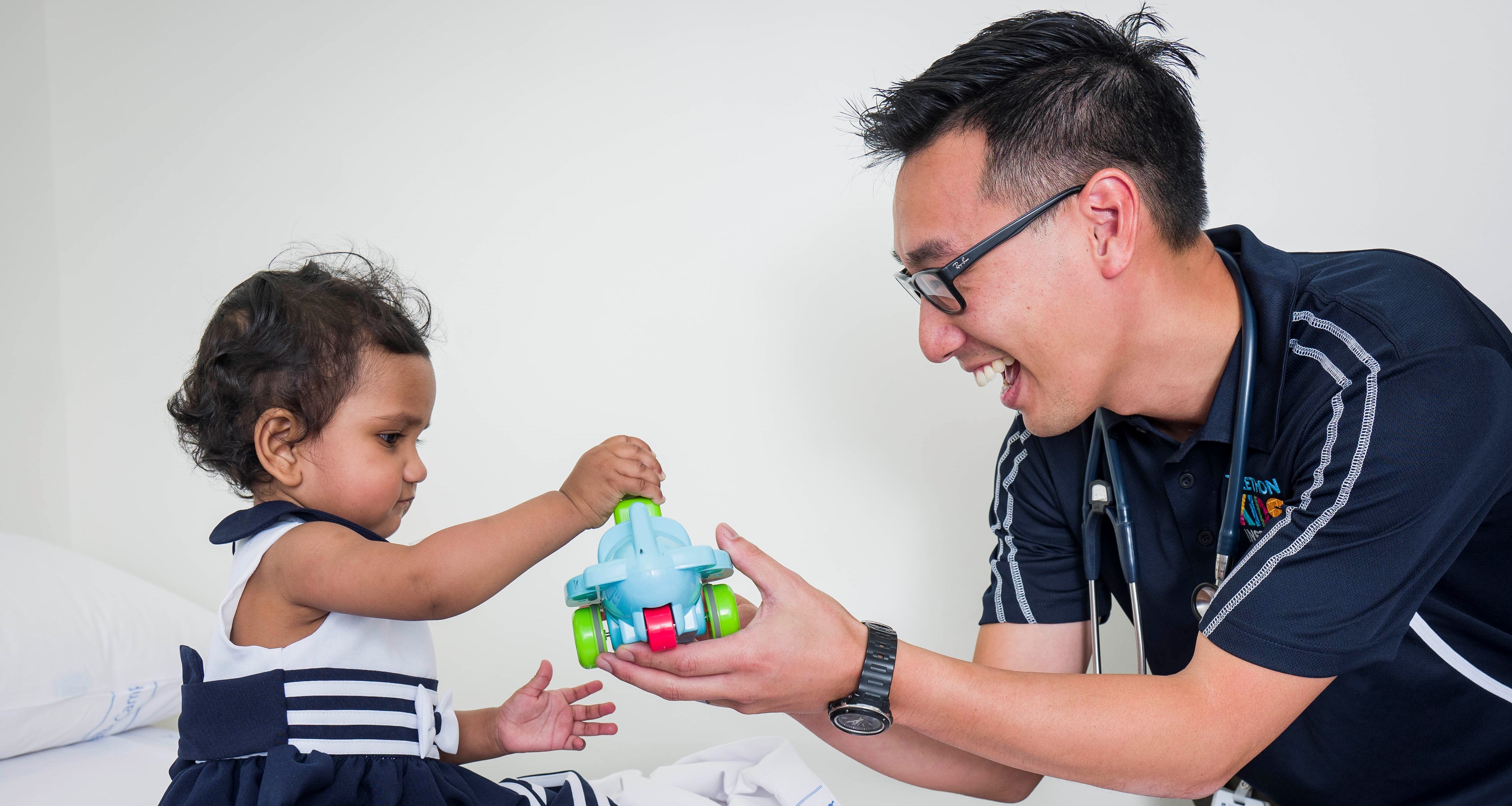
The ORIGINS Project, a collaboration between The Kids and Joondalup Health Campus, is collecting data and biological samples from 10,000 families over 10 years. Its work is also giving participating families a valuable heads up on health issues.
Ten years of dedicated research investigating the Meningococcal ACWY vaccine paid off 20 times over in 2019, after its inclusion on the National Immunisation Program saw a significant decrease in children being diagnosed with the deadly disease.
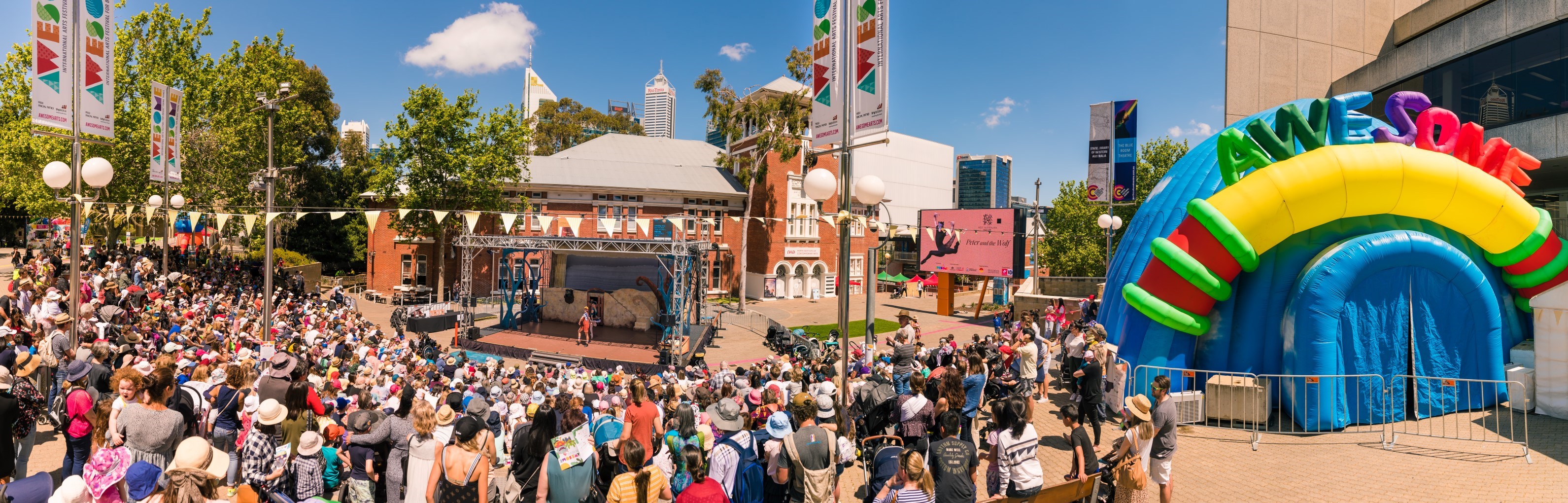
For children with Austin Spectrum Disorder (ASD), it can be hard to enjoy the simple pleasures of art, but the development of an ASD guide is helping to share the wonders of art with all.
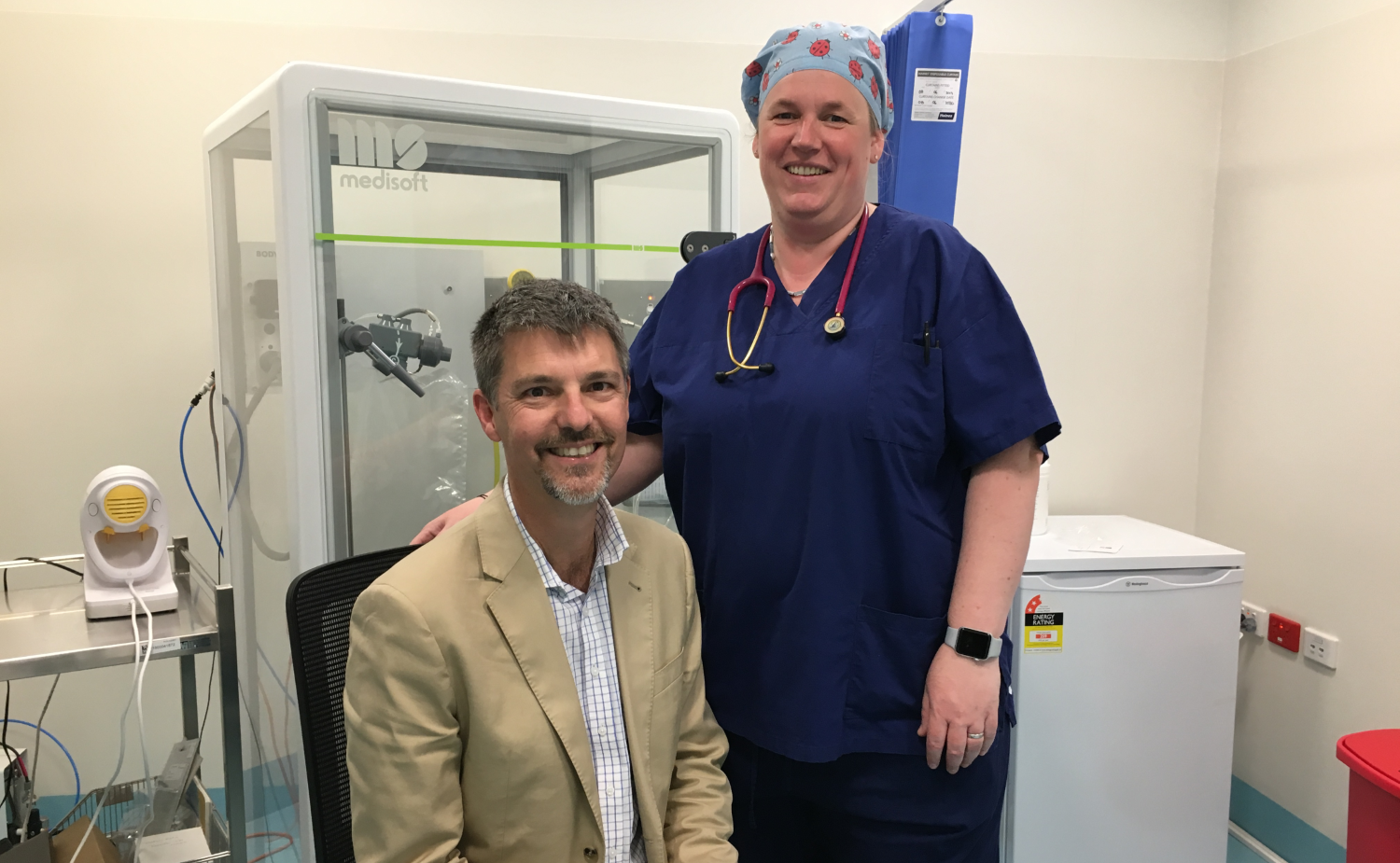
World-first findings from the collaborative REACT study – a joint project between The Kids, PCH, UWA and Curtin University – have led to the asthma medication Ventolin being routinely given to paediatric patients before tonsillectomy surgery to prevent respiratory complications.