
Search
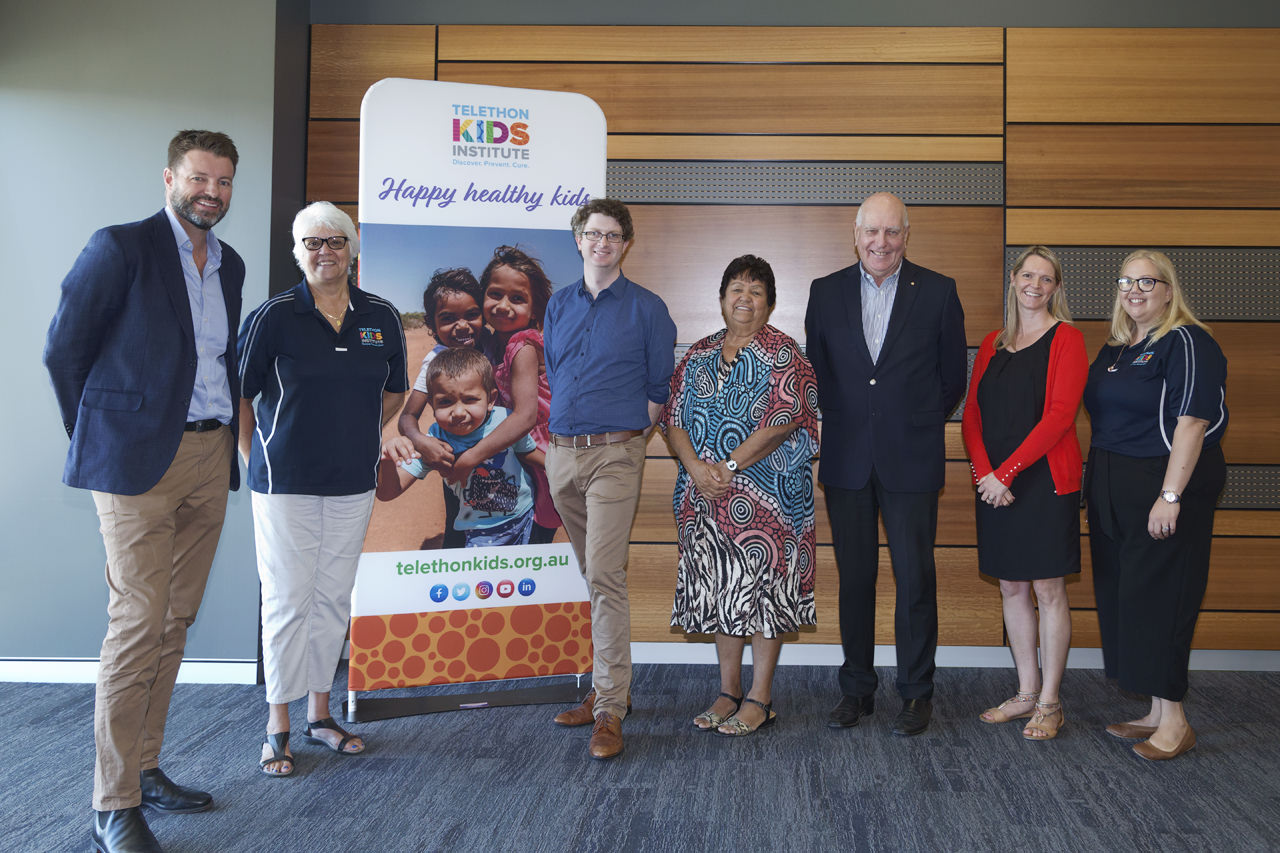
Every year 650,000 Australian children suffer from recurrent or chronic middle ear infections called otitis media (OM).
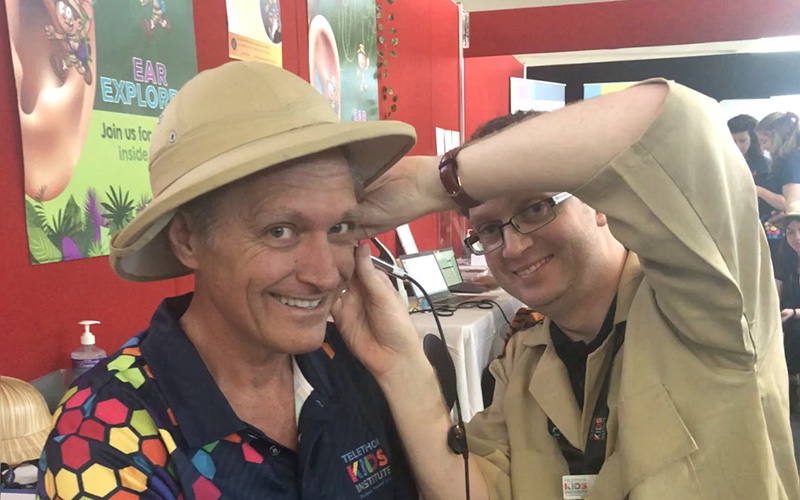
Findings from The Kids Research Institute Australia’s ‘Ear Explorers’ real-life research project undertaken as part of the 2019 Telethon weekend, found short videos were more helpful than photos when making a diagnosis.
Streptococcus A is a bacterium often found in the throat and on the skin.
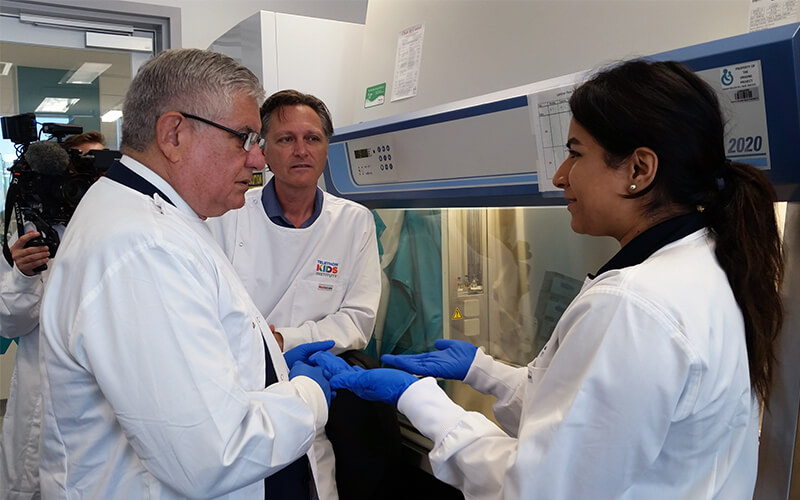
A vaccine to prevent rheumatic heart disease (RHD) and other life-threatening conditions caused by the common Strep A bacteria is a step closer thanks to funding announced by Minister for Indigenous Health, Hon Ken Wyatt AM, MP, in Perth today.

A global philanthropic organisation has backed an Australian-led bid to develop a Strep A vaccine which could save millions of lives around the world.

The Leducq Foundation has bolstered an Australian-led bid to develop a Strep A vaccine, committing USD4.3 million to fund critical scientific work.
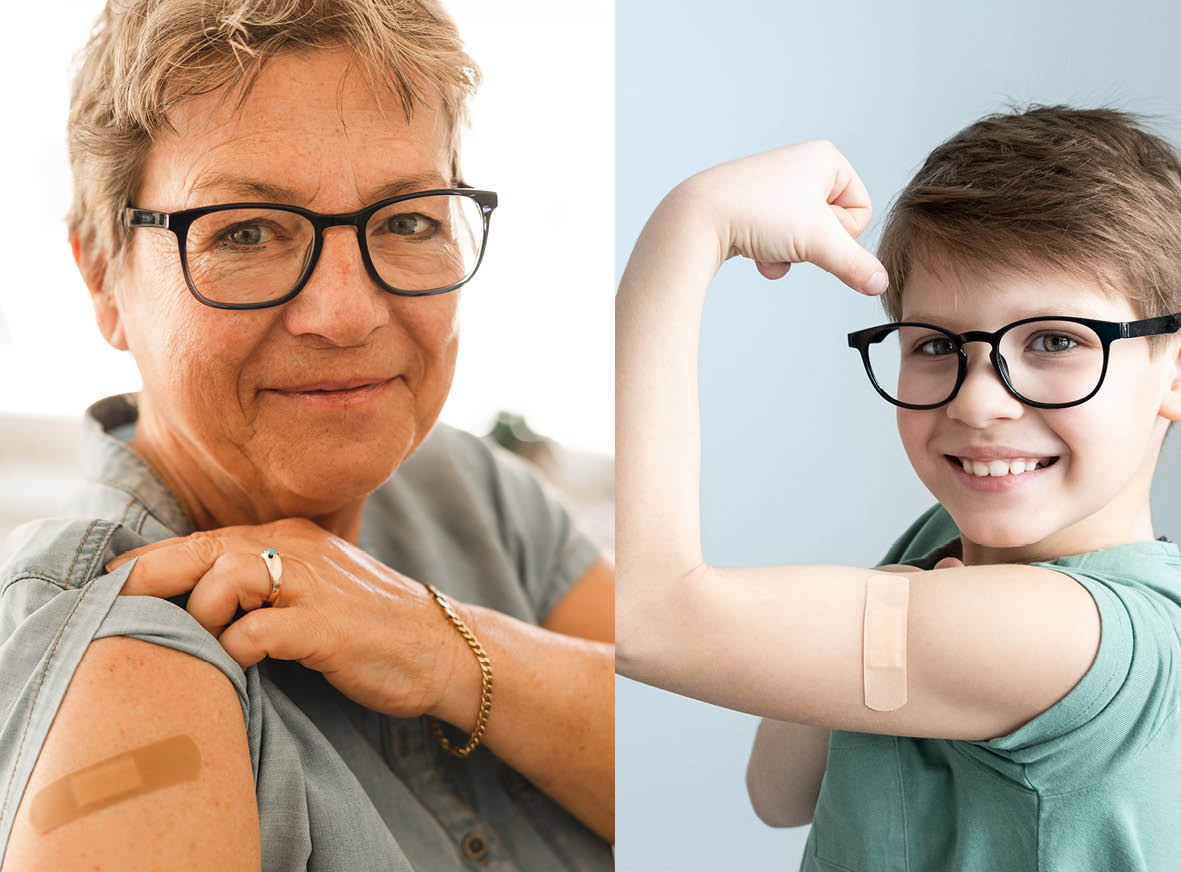
Optimising our national Covid-19 vaccine program could be one step closer thanks to new research now underway at The Kids Research Institute Australia investigating the most effective, long-term strategies for booster vaccinations.
Instant diagnosis and treatment of potentially life-threatening Strep A infections is now very close to reality across Australia’s remote and regional areas thanks to molecular point-of-care testing (POCT) that slashes result times from five days to just minutes.

Enrolments for Australia’s first needle-free, gene-based COVID-19 vaccine study – to be led in WA by The Kids Research Institute Australia – are open.

Congratulations to six researchers from The Kids Research Institute Australia, who will use valuable support from the Raine Medical Research Foundation’s 2024 grant round to undertake projects focused on improving the health and wellbeing of babies, children and young people.