
Search
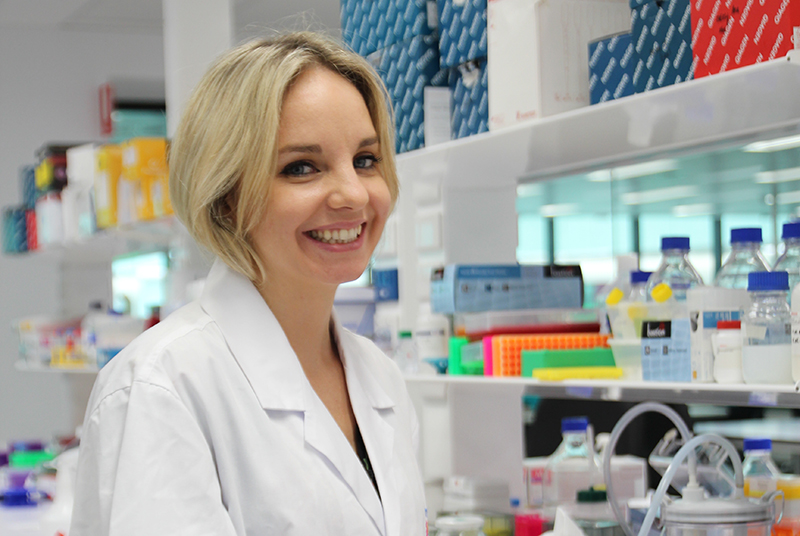
The Robert Connor Dawes Foundation has joined forces with the Ethan Davies Fellowship to co-fund a The Kids Research Institute Australia initiative aimed at uncovering new treatments for aggressive childhood brain tumours.
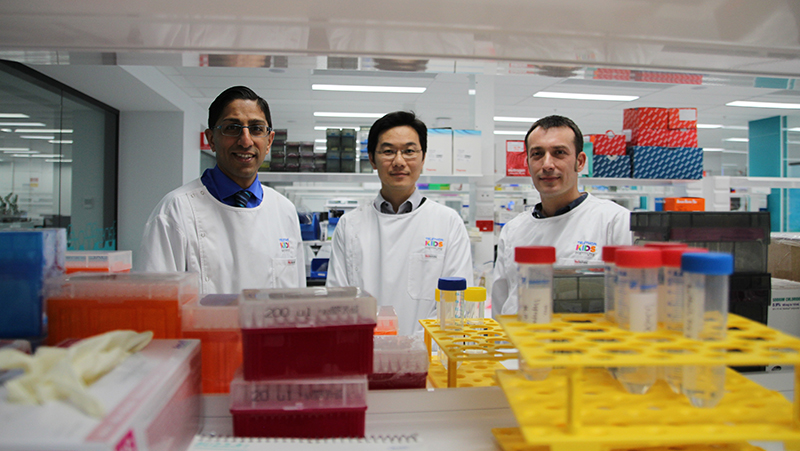
Kids born with Down syndrome are at high risk of an array of health problems. One of the lesser-known complications is their increased risk of childhood leukaemia.
Alcohol industry publications reveal that the industry targets young people with better for you (BFY) marketing that promotes the nutrition and health-oriented aspects of some products, despite the inherent harms of alcohol consumption. This research investigated how young adults conceptualise the appeal of BFY alcohol products and their potential effect on consumption, and their opinions of the alcohol industry in the context of this marketing.
The Kids for Child Health Research will join more than 50 scientists from 36 research institutions around the world to improve early nutrition
Food allergies have become more common in our community, with up to one in ten young children now affected. Reactions can range from mild hives to life threatening anaphylaxis and breathing difficulties. The most common food allergies are to egg, peanut, tree nuts, cow’s milk, fish, shellfish, sesame, wheat and soy.
Globally, rates of children with physical and mental health problems are increasing. Health issues in early childhood often persist into adulthood, highlighting the need to ensure children are supported to flourish from the start of life.
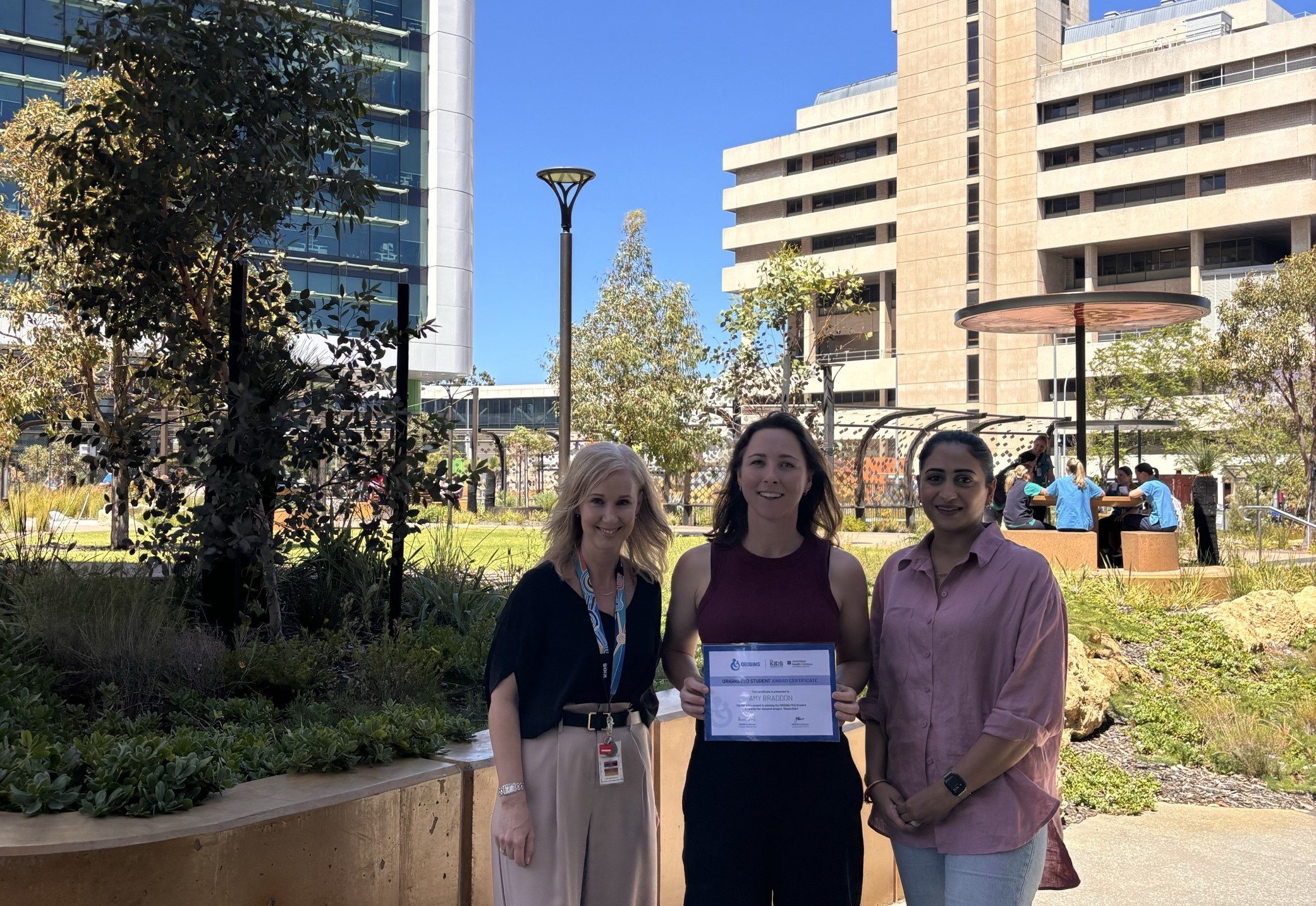
Miss Braddon will be awarded with $15,000 to go towards her research project, DreamStart
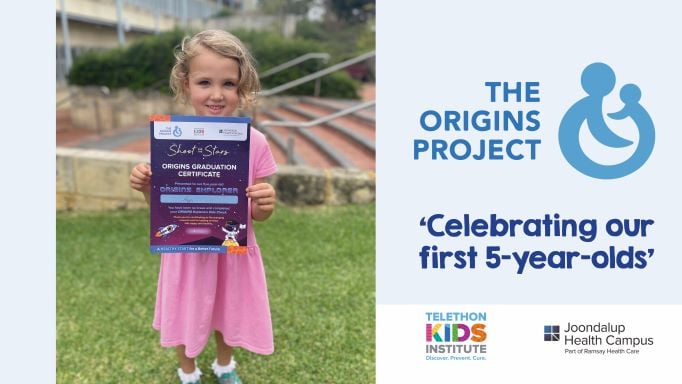
ORIGINS is celebrating its first five-year-old 'graduates'.

ORIGINS is collecting data from multiple sources from the mother, infant and partner at multiple timepoints from gestation through to five years of age.

Four The Kids Research Institute Australia-based biobanks which underpin a range of cancer, respiratory and early life research have received more than $450,000 in funding.