
Skip to content

Advancing Innovation in Respiratory Health

The Advancing Innovation in Respiratory (AIR) Health Team is a multi-disciplinary group with skills in clinical medicine, physiology, psychology, and in cellular and molecular biology, that are committed to improving the lives of children with respiratory diseases and their families.

The Advancing Innovation in Respiratory (AIR) Health Team is committed to improving respiratory health through big-data, cohort studies, and clinical trials. We aim to develop innovative ways to diagnose, prevent, and treat lung disease in early life to improve quality of life and reduce the overwhelming burden of disease on children, families, communities, and healthcare systems.

Through local, national and international collaborations, the team will accelerate innovation and translation of discoveries into clinical practice and policy.

The AIR Health Team has two major areas of focus: Cystic Fibrosis (CF) and Asthma.

Cystic Fibrosis (CF)

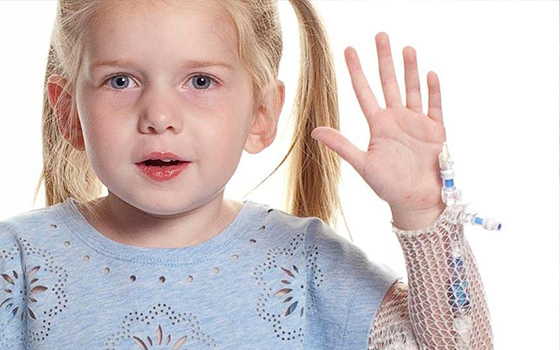
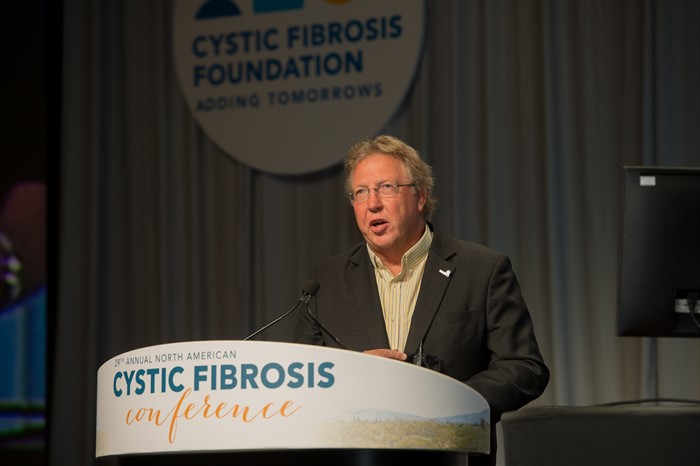
CF is the most common chronic, life-shortening genetic condition affecting Australians. To support both local and international research, the AIR Health Team hosts the BANK CF Biobank, a collection of biological samples and clinical data from CF studies. This resource enables research into CF and broader respiratory conditions, facilitating the development of new treatments and improving patient outcomes.

Asthma

Asthma and wheezing disorders are common in children, affecting up to 30% in Western Australia, and impose a significant burden on families and the healthcare system. The AIR Health Team uses data-driven approaches to improve care, focusing on early risk prediction, molecular pathways, and community burden. Key initiatives include developing an interferon-based diagnostic test to identify high-risk children, characterising cohort data for respiratory and allergic disease in early life, and characterising asthma prevalence and “treatable traits” in the community to guide resource allocation and optimise models of care.

Team leader

Head, AIR Health Team

Advancing Innovation in Respiratory Health projects

Featured projects

BANK CF

BANK CF is a dedicated biobank established to collect and store biological samples to support research that improves the respiratory health of children and families.

RHINO

RHINO researchers from The Kids' Wal-yan Respiratory Research Centre, will analyse ORIGINS data and turn it into meaningful respiratory and allergy outcome data that can be used by researchers around the world.
Reports and Findings

Show all

Inhaled nebulised adrenaline delivery in children and adults: A simulation study

Sometimes, there is an urgent need to administer inhaled adrenaline to children, awake, sedated or anaesthetised to treat asthma, bronchospasm, croup, and suspected laryngeal/pharyngeal oedema or stridor, which can become severe or even life-threatening. To better inform emergency dosing and administration guidelines, we aimed to quantify the amount of adrenaline delivered for inhalation from a nebuliser, in a simulated experimental delivery set-up for spontaneously breathing children and adults, either via an anaesthetic face mask, a Laryngeal Mask Airway or an Endotracheal tube.

Allergic diseases through precision medicine

Allergic diseases are rising worldwide, especially in childhood, and their clinical diversity increasingly exposes the limits of traditional phenotype-based classifications. Genetic susceptibility, environmental exposures, epithelial barrier biology, and immune pathways interact to shape highly variable disease trajectories and treatment responses. In this context, precision medicine is no longer only an aspirational concept, but a practical effort to define meaningful endotypes, identify clinically useful biomarkers, and connect biological insight to prevention and care.

Personal network inference identifies children at risk of recurrent wheezing and asthma

Wheezing and asthma exacerbations are leading causes of pediatric hospital admissions. Predicting which children will experience persistent exacerbations remains challenging. Prior research has identified immune endotypes in the nasal epithelium of children with acute asthma and wheezing, characterized by varying balances of interferons and inflammatory markers. Notably, children exhibiting low interferon responses coupled with high inflammation are at an increased risk for recurrent respiratory exacerbations.

A differentiated nasal epithelial cell model derived from children with acute wheeze and asthma

The airway epithelium is the primary structural and functional airway barrier and orchestrates innate immunity. Some children may have underlying epithelial vulnerabilities that contribute to the pathogenesis of acute wheeze and asthma.

Show all