
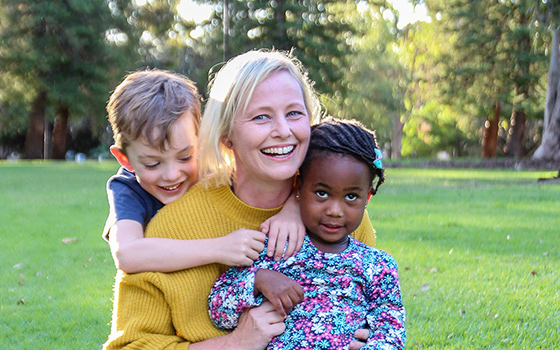
Welcome to the Foundations of Lung Disease team page
We are a collaborative research team dedicated to improving the diagnosis, treatment, and lifelong management of lung disease in children and young people. Our work spans clinical, mechanistic, and population-based research, with a focus on ensuring research is rapidly translated into practice. Through strong partnerships with clinicians, researchers, and the community, we drive innovation in respiratory health and contribute to national and international clinical guidelines that shape the care of children worldwide.
Mission
To improve the diagnosis, management, and outcomes of lung disease in children and young people.
Vision
To drive innovation and foster scientific excellence in respiratory medicine, with a primary focus on enhancing the health and wellbeing of children and young people affected by lung disease.
Our research program spans three core areas:
1. Understanding Childhood Lung Disease
Through valuable cohort studies, we aim to uncover the underlying causes and mechanisms of a wide range of childhood lung conditions, including bronchiectasis, cystic fibrosis, and prematurity-associated lung disease. Our research involves:
- Identifying age- and disease-appropriate methods that are sensitive to early changes in lung function
- Investigating disease progression through studying lung health from infancy to adulthood
- Examining the influence of early-life clinical exposures, structural lung changes, and respiratory symptoms on disease progression and long-term outcomes
- Identifying individuals who would benefit from treatment or require closer monitoring
- Investigating disease mechanisms through integrated laboratory research and partnerships with specialists in genomics, metabolomics, and related disciplines
This foundational research deepens our understanding of how childhood lung diseases develop and persist into adulthood.
2. Improving Treatments for Childhood Lung Disease
Our team is committed to advancing evidence-based care through:
- Identifying critical periods for intervention to prevent chronic respiratory disease
- Identifying treatable traits to inform personalised approaches to therapy
- Conducting interventional trials to improve treatments for childhood lung disease
By targeting modifiable risk factors and key intervention windows, we aim to develop and refine therapies that ensure brighter futures for children and young people with chronic lung conditions
3. Translating Research into Practice
We are committed to ensuring our research drives real-world impact by:
- Embedding consumer and community involvement throughout the research process to ensure relevance, accelerate implementation, and improve health outcomes
- Partnering with health professionals and researchers at local, national, and international levels
- Generating high-quality evidence to support improved clinical care, education, and health service delivery
- Contributing to and authoring national and international clinical guidelines
- Expanding the evidence base that informs best practice in the management of childhood respiratory disease
This translational focus ensures our discoveries lead to better care and better outcomes for children everywhere.
Team leaders
BMedSci (hons), PhD
BSc (Hons), PhD
Co-Head, Foundations of Lung Disease
Team members (25)
BSc (hons)
BSc (Hons) PhD
Clinical Research Coordinator
PhD, MSc, BSc
MHlthSc, BBiomedSci
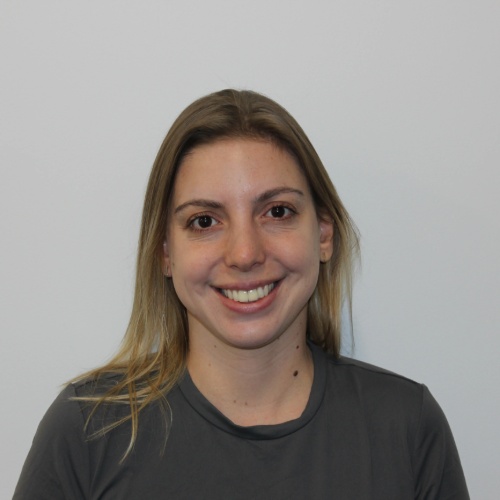
MD, PhD
Research Officer

Amber Bates
Consumer Representative
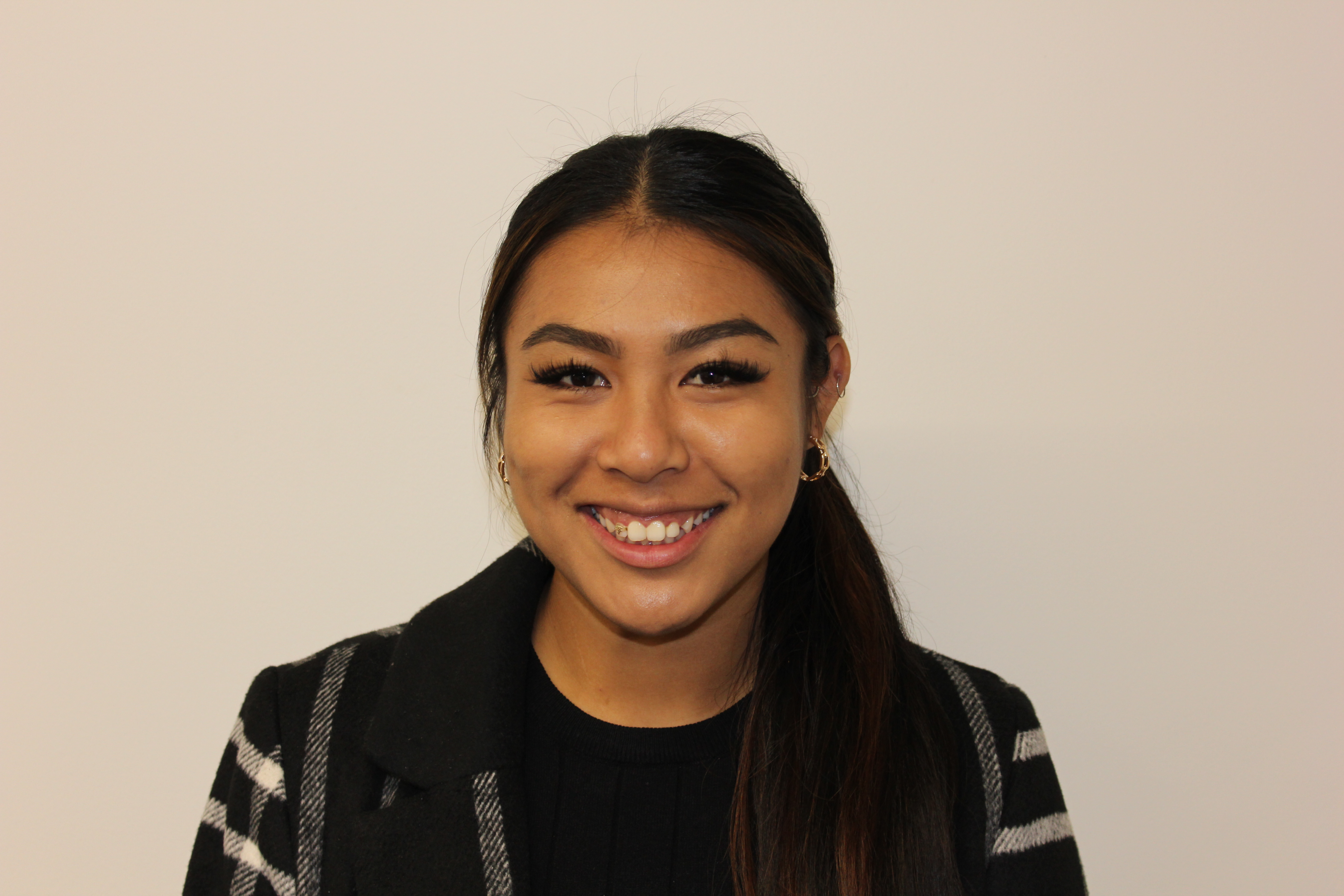
April Htun
Research Assistant
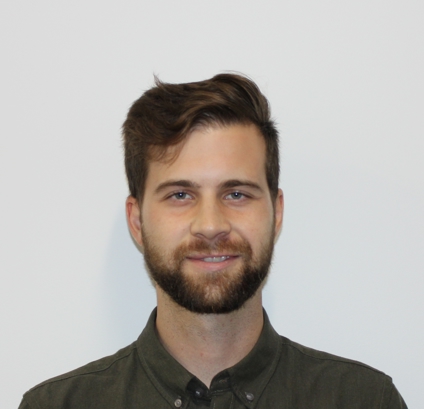
Callan Lavery
Biostatistician
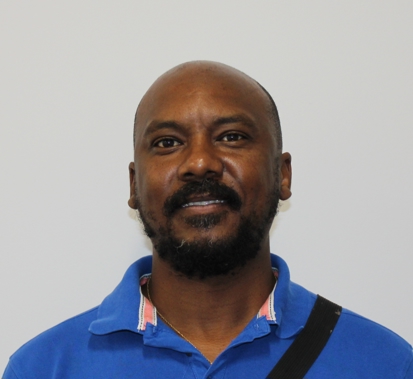
Carvern Jacobs
PhD candidate

Craig Schofield
PhD candidate

Dr Denby Evans
Research Officer

Faith Mhembere
PhD candidate

Hannah L Moore
PhD candidate
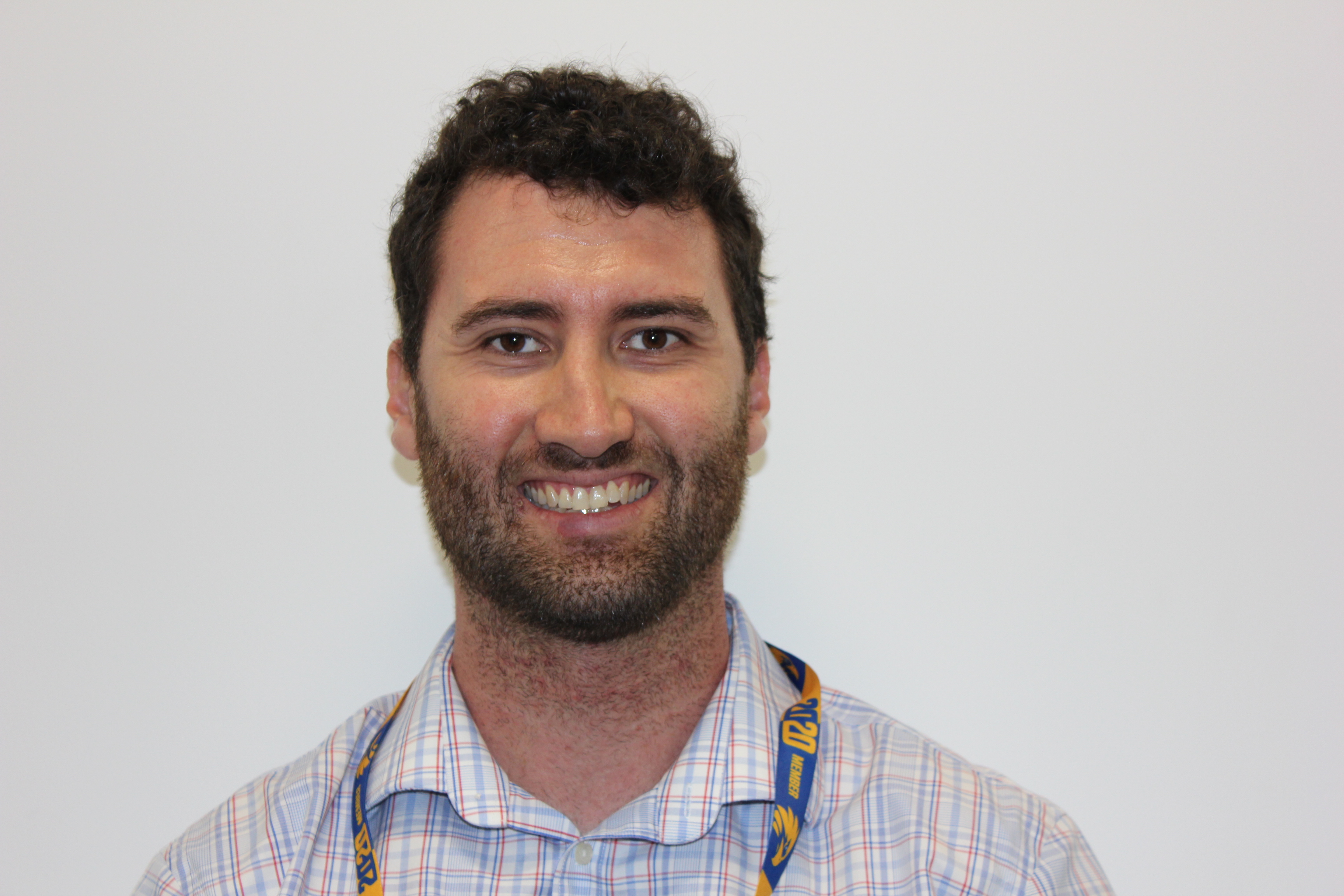
Dr James Gibbons
PhD Student & Paediatrician

Kitty Obando
Research Assistant

Michael Beaven
PhD candidate
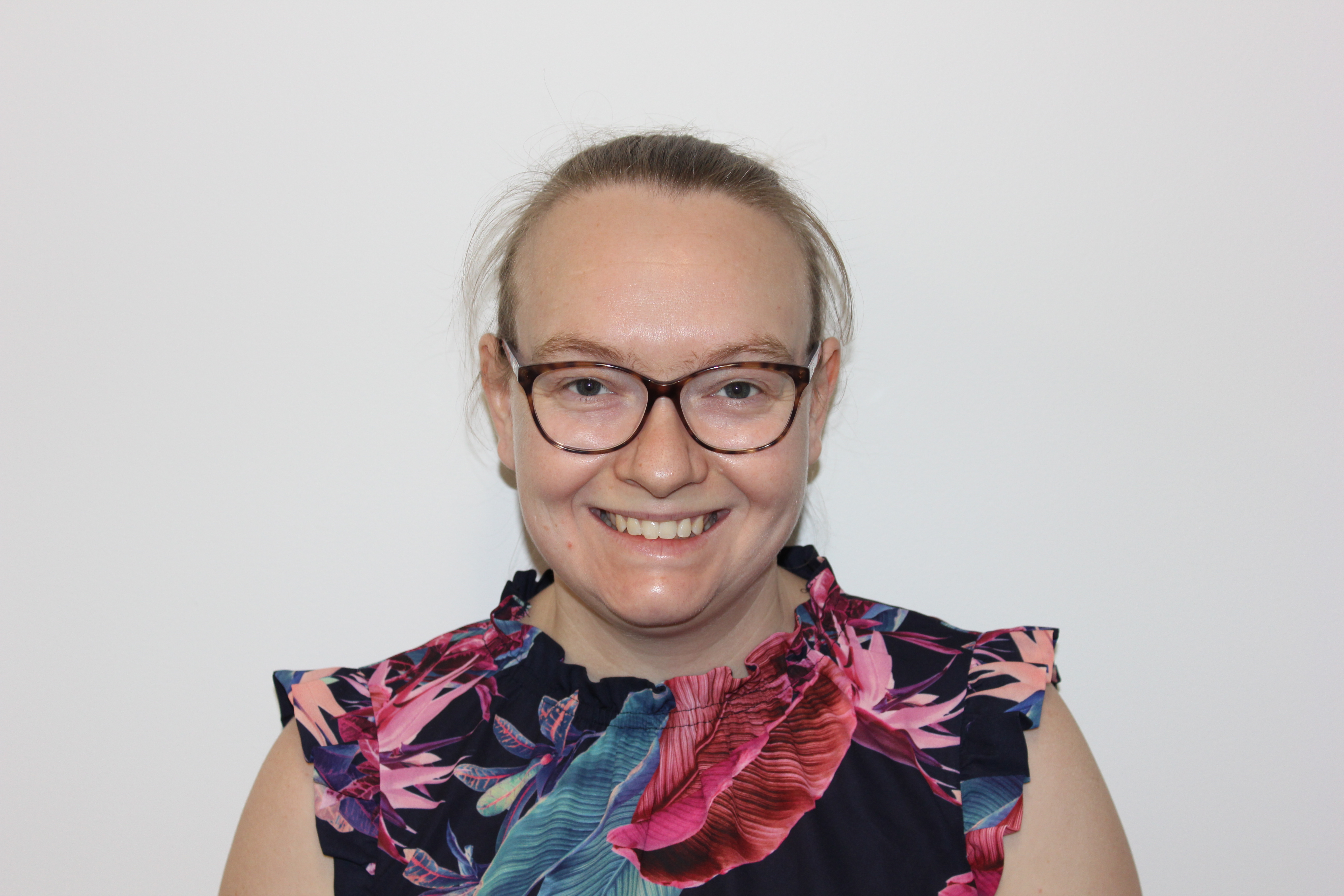
Dr Naomi Chapman
Research Officer
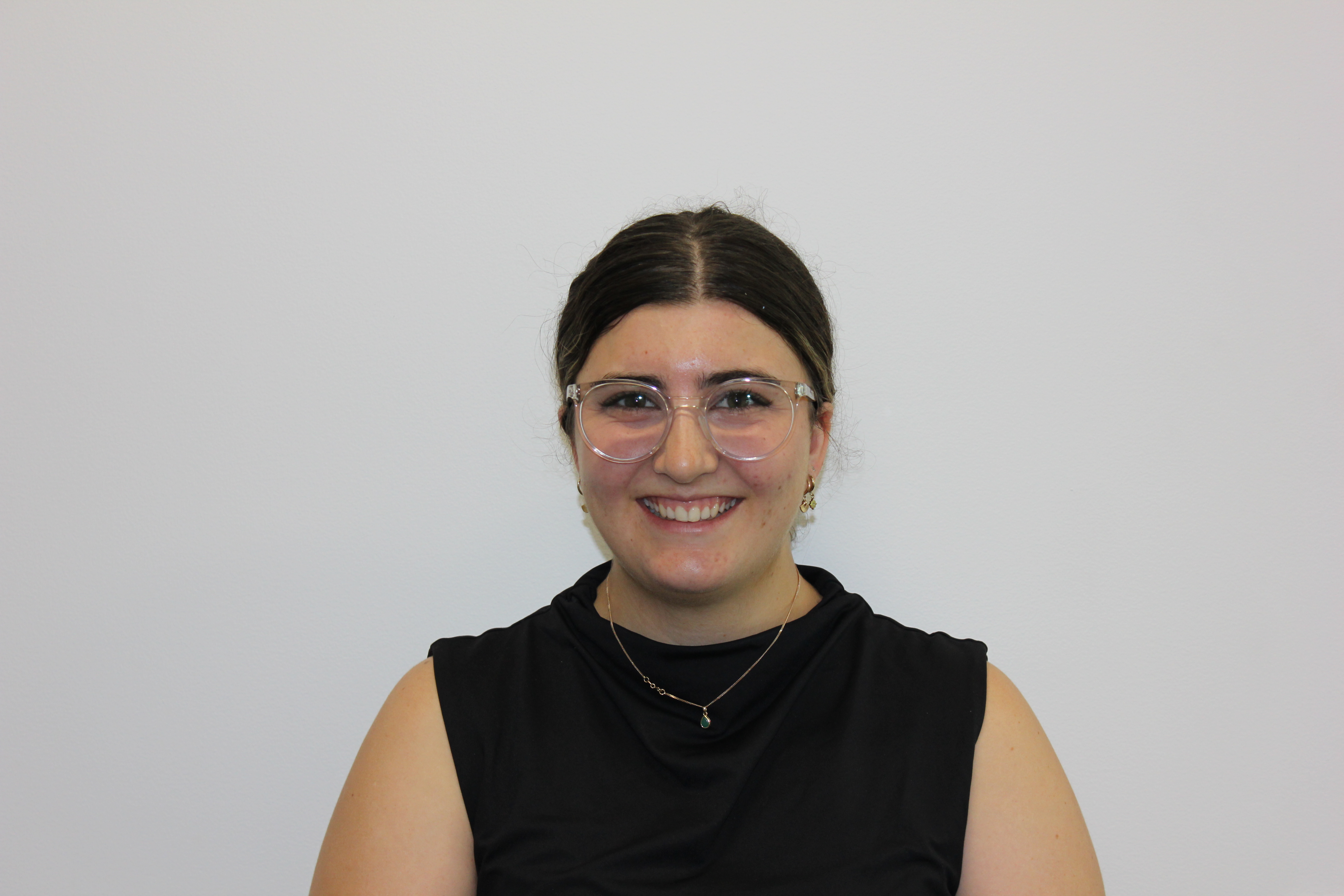
Neave Garland
Research Assistant
Dr Rebecca Watkinson
Research Officer

Tabitha Cleary
Research Assistant
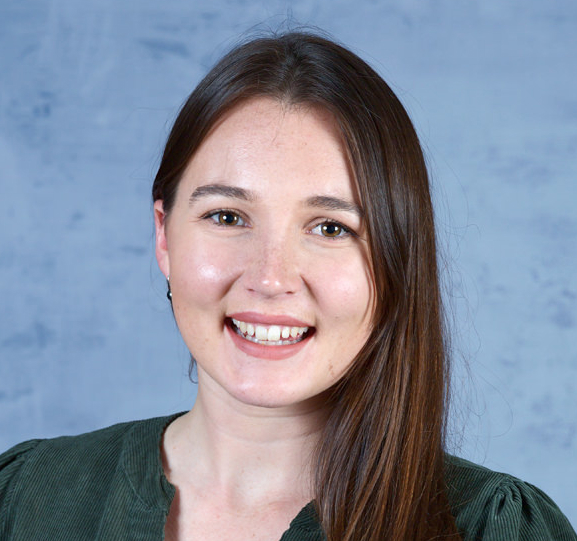
Tiffany Bradshaw
PhD candidate
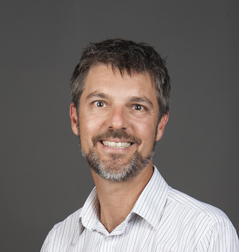
Dr Graham Hall
Honorary Research Associate

Dr Andrew Wilson
Honorary Research Associate

Dr Rachel Foong
Honorary Research Associate
Foundations of Lung Disease projects
Featured projects
The Impact of Modulator therapy from Early life on lung health trajectories in Cystic Fibrosis (TIME-CF)
Cystic fibrosis is an inherited condition that results in chronic lung disease. In recent years, a new type of medication called CFTR modulators has become available.
FINGERPRINT: FINdinG Early markers of Respiratory disease for survivors of PReterm birth which IdeNtify Treatable traits
This research project will investigate the traits of preterm lung disease, looking into the long-term lung health of children born preterm, aiming to identify traits that could help guide better treatments in the future.