
Search
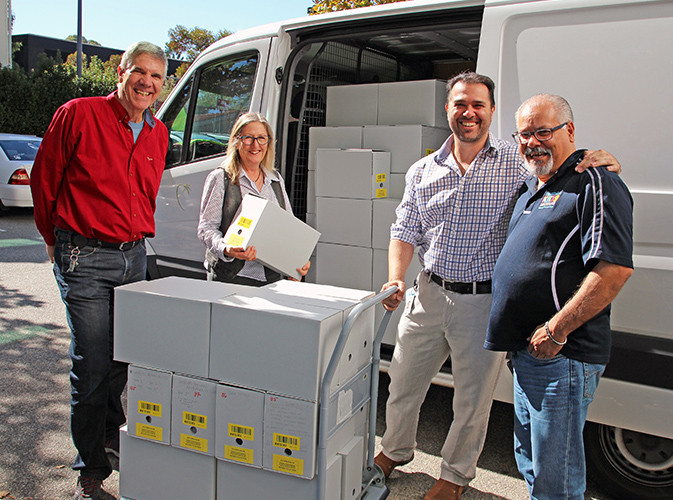
The landmark Western Australian Aboriginal Child Health Survey has been placed into archiving at the State Library of Western Australia to be preserved for future generations.
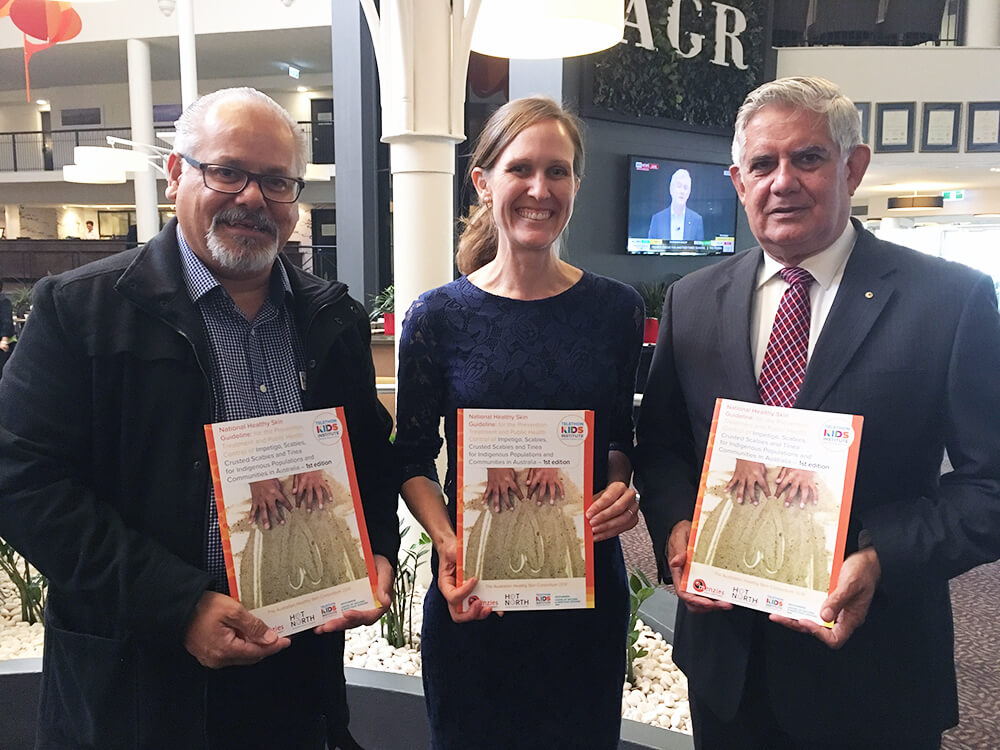
Researchers have developed the first National Healthy Skin Guideline to address record rates of skin infections in Australia’s Indigenous communities.
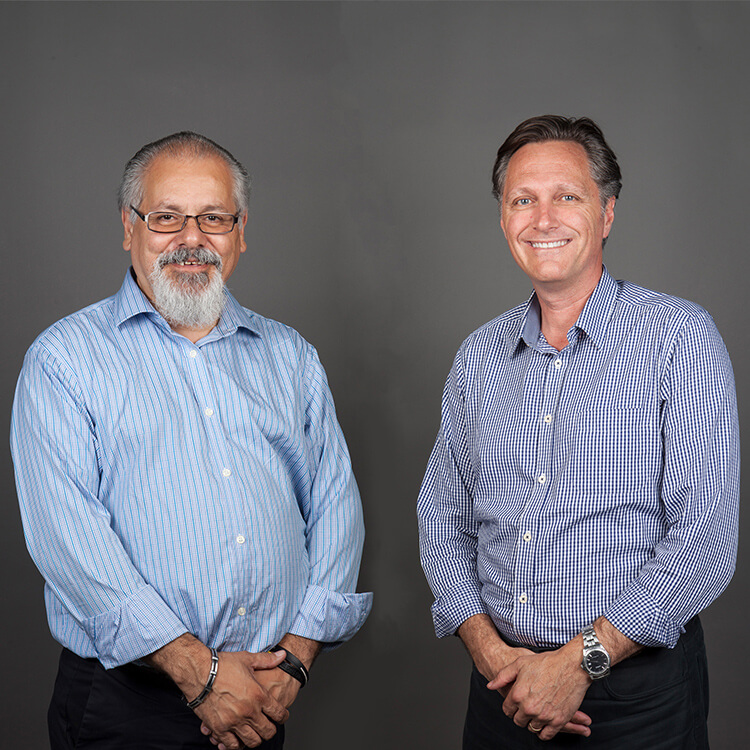
Two outstanding The Kids Research Institute Australia research leaders have been named finalists in the 2018 Western Australian of the Year Awards.
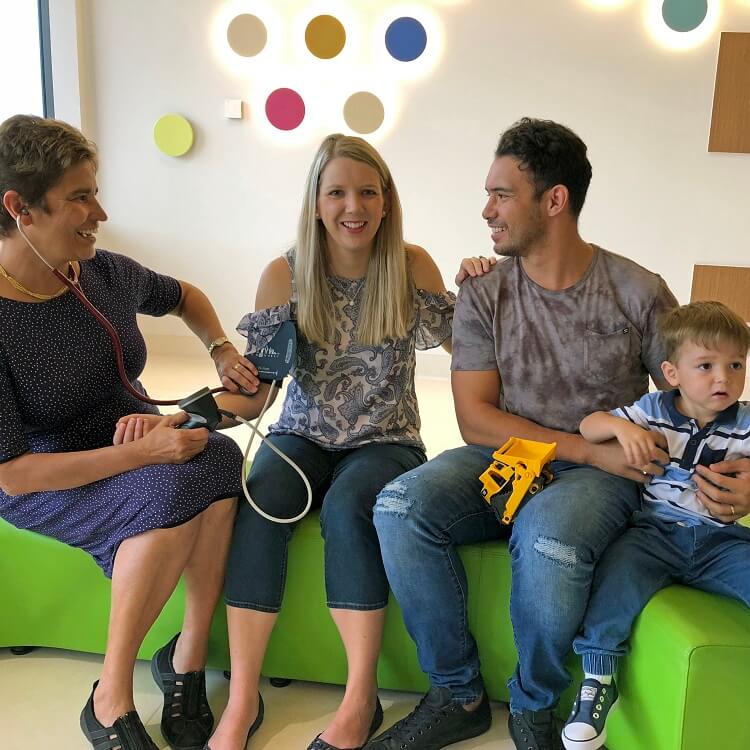
ORIGINS, a collaboration between The Kids and the Joondalup Health Campus, has achieved a major milestone – recruiting its 1000th family.
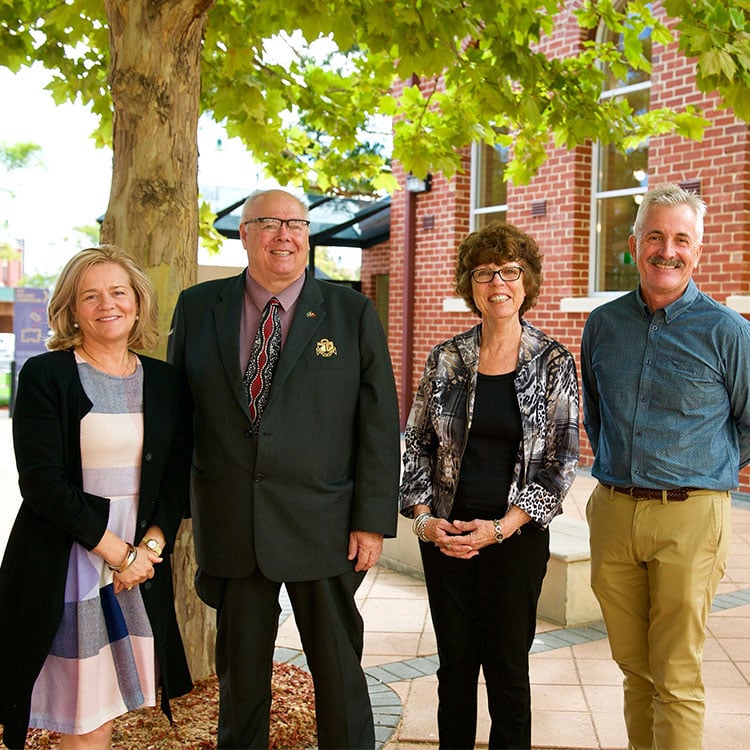
we the people worked with CoLab, a partnership between The Kids and Minderoo Foundation, to investigatethe needs of local families with children aged 0to8
A study by The Kids has found children with a parent who has gone to prison are significantly more likely to have poor development outcomes.
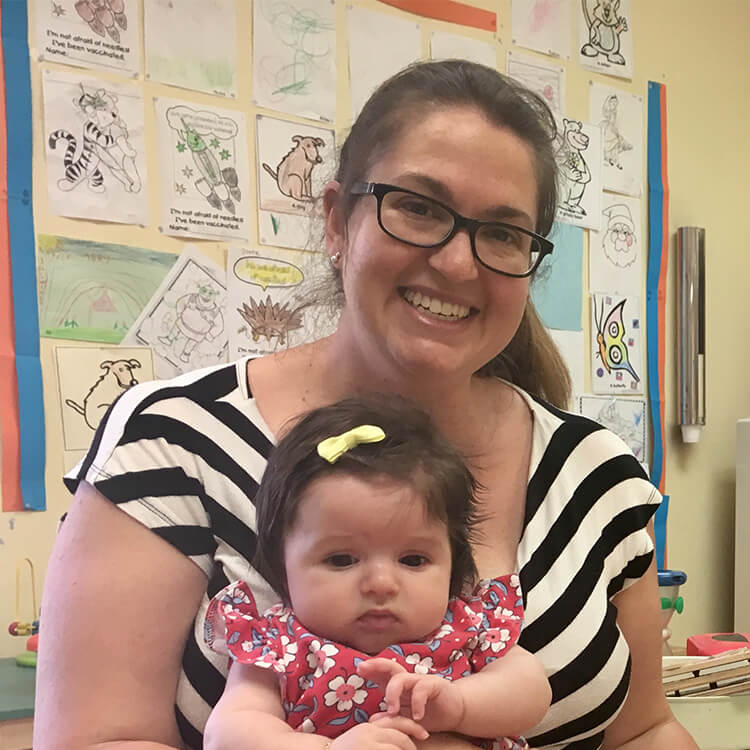
New mothers in Perth are teaming up with researchers at The Kids Research Institute Australia in a global bid to develop the first vaccine to prevent Respiratory Syncytial Virus (RSV) disease.
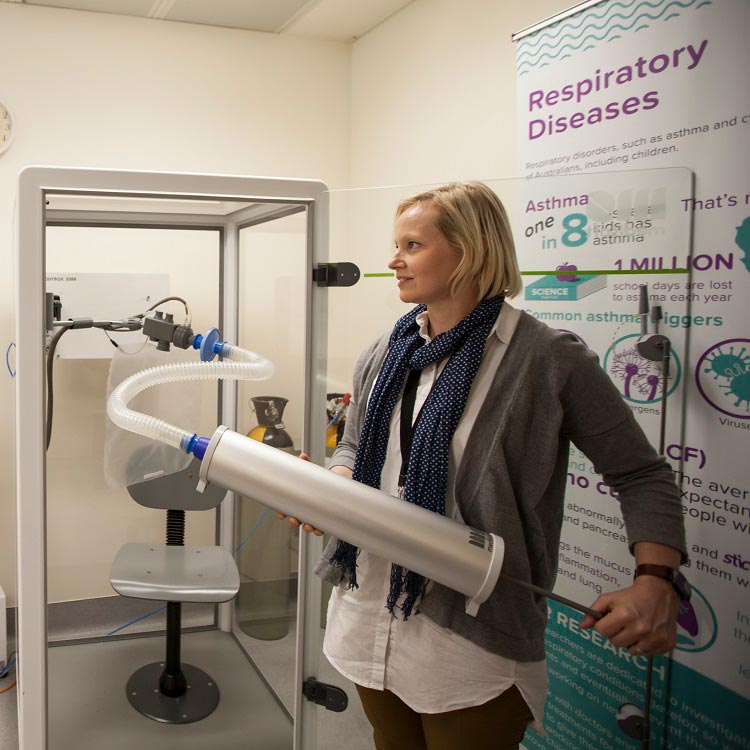
A The Kids Research Institute Australia study published in The Lancet Child & Adolescent Health has found that survivors of very preterm birth face declining lung function

An InFocus Research Interview with Kirsten Hancock of the Human Capability Team at The Kids Research Institute Australia on multigenerational disadvantage in Australia.

We are delighted to announce two outstanding appointments to our Board of Directors. Joining the Board are Fiona Drummond and Jane Muirsmith.