
Search
Radiation therapy is an essential component of brain cancer treatment. However, the high doses currently required are extremely damaging to the growing brains and bodies of children.
Christopher Tobias Blyth Kollmann MBBS (Hons) DCH FRACP FRCPA PhD PhD, M.D., SFUW Centre Head, Wesfarmers Centre of Vaccines and Infectious Diseases;
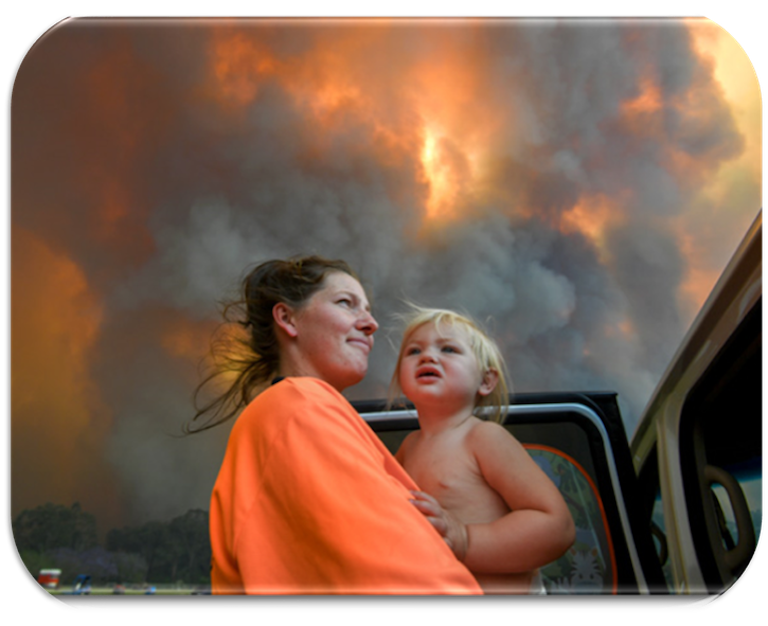
The greatest threat to children’s health in the future is environmental change, including climate change. The Future Child Health project aims to quantify how current and future environmental changes affect child health.
Meet the investigators and collaborators from the Future Child Health team
The Game Changers project was about using the Kimberley passion and enthusiasm for sport to engage Kimberley kids who were in a disrupted environment, with negative impacts on behaviour and attendance at school, leaving them vulnerable and at-risk in the community.
Japanese Encephalitis virus is a mosquito-borne virus that is typically only found in south-east Asia.
Punam Susan Tasmin Amratia Rumisha Symons PhD PhD (Biostatistics) Honorary Research Associate Honorary Research Associate Honorary Research Associate
Punam Susan Tasmin Amratia Rumisha Symons PhD PhD (Biostatistics) Honorary Research Associate Honorary Research Associate Honorary Research Associate
This project addresses the growing issue of technology-facilitated abuse against women and girls, particularly in regional Western Australian communities where risks are heightened, and access to support is limited.
The aim of this project is to develop and test a series of modules to promote mental health among young people with chronic conditions, using a positive psychology framework.