
Search
Melissa Gail Matt Jenny Andrew Videos Licari Alvares Cooper Downs Whitehouse Watch and listen to Andrew PhD PhD BCA Marketing, BSc Statistics and
Impact for Tourette’s is Australia’s first national project evaluating the unmet needs of people with Tourette syndrome and other tic conditions.
Ruth Peter Thornton Richmond PhD MBBS MRCP(UK) FRACP Co-head, Bacterial Respiratory Infectious Disease Group (BRIDG) Head, Vaccine Trials Group
André Schultz MBChB, PhD, FRACP Head, BREATH Team Head, BREATH Team Prof André Schultz is the Head, BREATH Team at The Kids Research Institute
Helen Jenny Leonard Downs MBChB MPH BApplSci (physio) MSc PhD Principal Research Fellow Head, Child Disability +61 419 956 946 08 6319 1763
Continued progress in controlling RHD requires an understanding of how to improve delivery of regular injections of penicillin - secondary prophylaxis (SP).
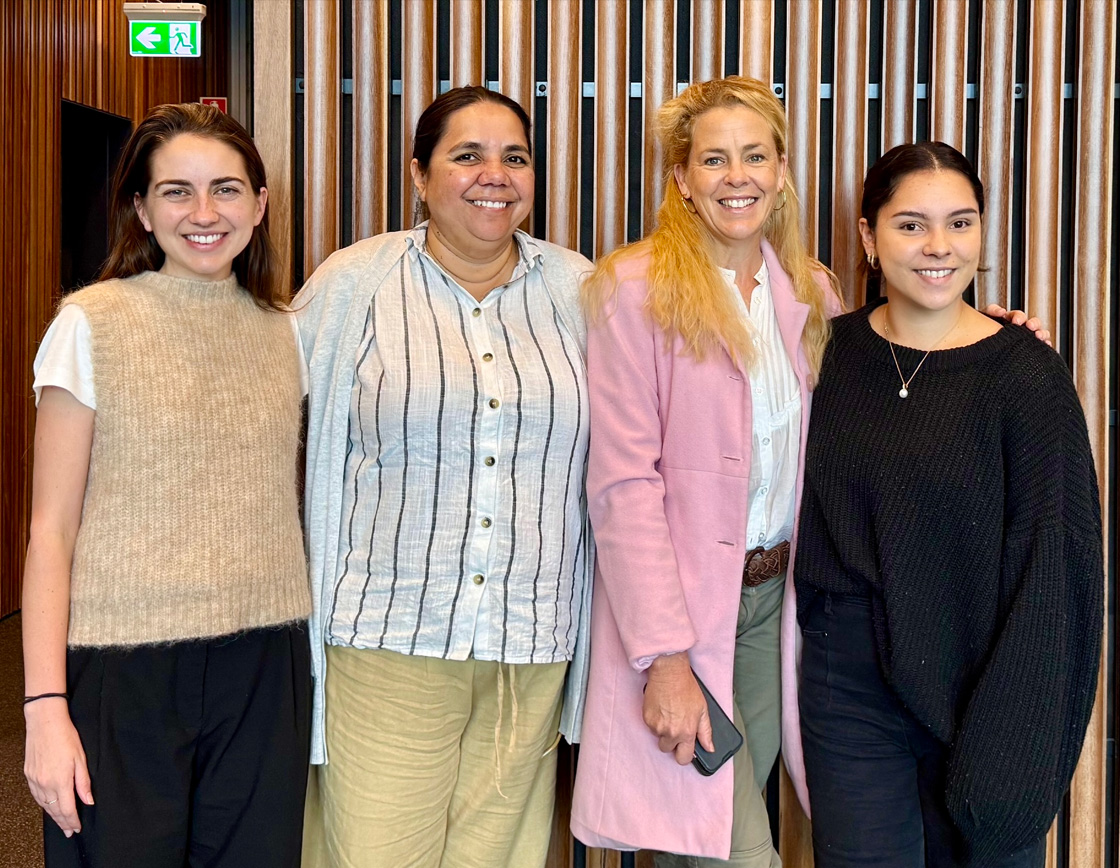
Inviting expressions of interest for the INSPIRE Consumer Reference Group (CRG) of WA – a group for the Aboriginal Children’s Excellent (ACE) Lung Health studies.
Informing urban planning and policy development to grow equitable access to healthy environments for young people and their families.
Carrington Shepherd PhD Honorary Research Associate Honorary Research Associate Areas of research expertise: Population health; Aboriginal and Torres
Self-regulatory difficulties in infants (difficulty soothing and sleeping) tells us that the infant may be at risk of developing a range of physical and mental health difficulties in later life.