Skip to content

Search

Australian-first study set to unveil major impact of ear disease on Aboriginal children

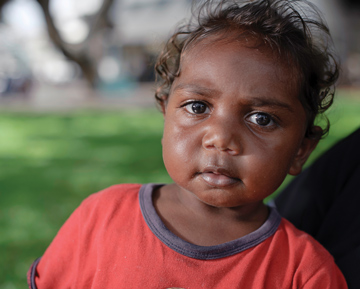
Researchers from The Kids Research Institute Australia have been awarded a $1.1 million NHMRC ‘Targeted Call for Hearing Health’ grant to conduct the first ever study following Aboriginal babies from birth through to five years to uncover the true prevalence of middle ear infections and hearing loss.

Study finds high rates of chronic lung disease in remote-living Aboriginal children

Almost one in five children across four remote Kimberley communities has some form of chronic lung disease, according to a new study co-designed and conducted in partnership with Aboriginal communities.

Cardiometabolic health markers among Aboriginal adolescents from the Next Generation Youth Wellbeing Cohort Study

The objective of this study was to investigate cardiometabolic health markers among Aboriginal adolescents aged 10-24 years and relationships with age, gender, and body composition. 

Early childhood education quality and child development in Lao PDR

Globally, as scale up of early childhood education (ECE) continues, monitoring ECE quality is imperative to promote service aspects that drive positive outcomes for children. Monitoring of ECE quality in low- and middle-income countries (LMICs) is scarce, limited by challenges in varied conceptualisations of quality, lack of measurement tools that reflect local culture and context, and implementation difficulties in low resource settings.

Organizational readiness and implementation fidelity of an early childhood education and care-specific physical activity policy intervention: findings from the Play Active trial

Many children do not accumulate sufficient physical activity for good health and development at early childhood education and care (ECEC). This study examined the association between ECEC organizational readiness and implementation fidelity of an ECEC-specific physical activity policy intervention.

Impacts of armed conflicts on tuberculosis burden and treatment outcomes: a systematic review

This systematic review aimed to summarise existing literature on the impacts of armed conflicts on tuberculosis burden and treatment outcomes.

Pharmacokinetics of PEGasparaginase in Infants with Acute Lymphoblastic Leukemia

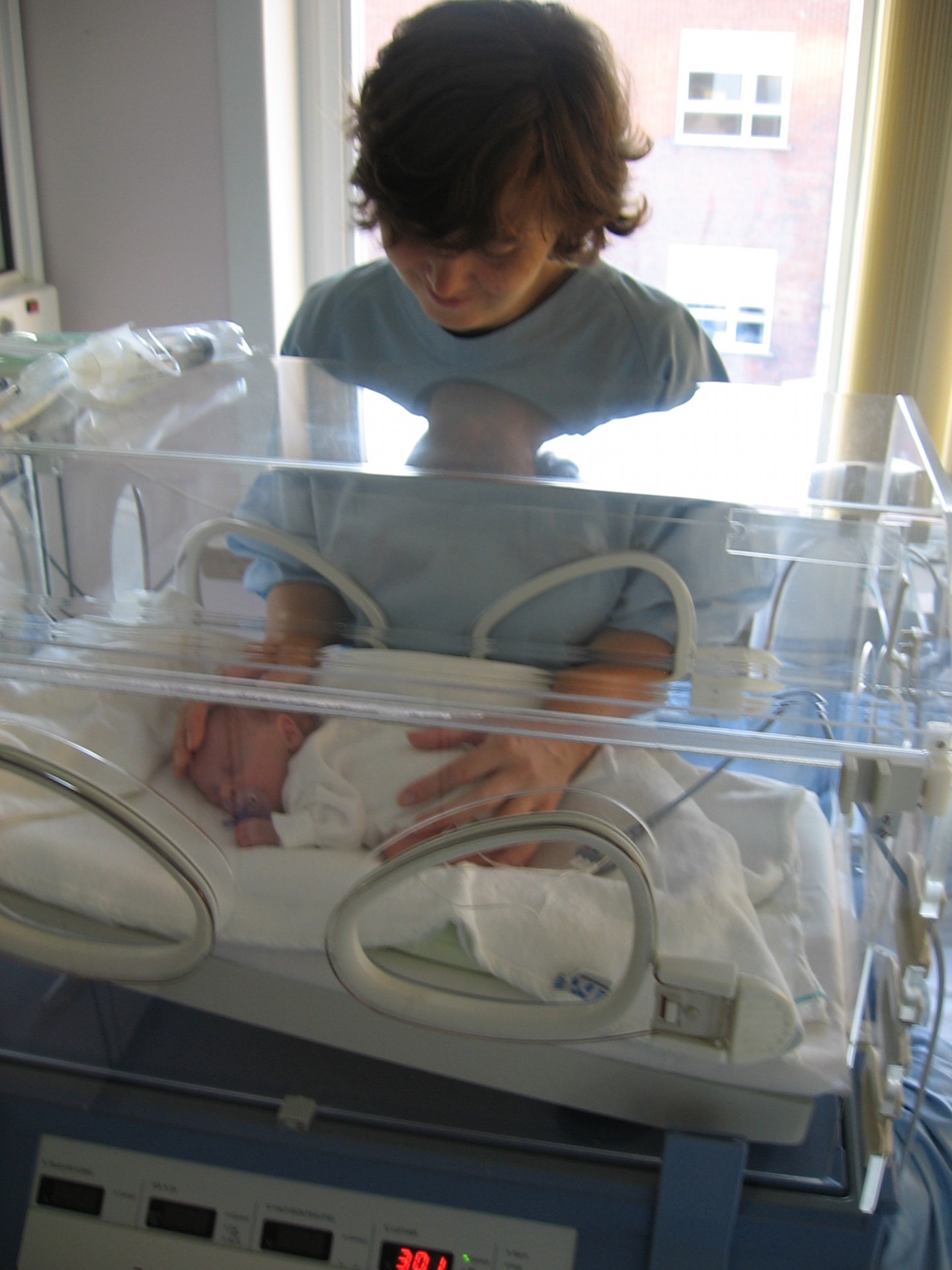
PEGasparaginase is known to be a critical drug for treating pediatric acute lymphoblastic leukemia (ALL), however, there is insufficient evidence to determine the optimal dose for infants who are less than one year of age at diagnosis. This international study was conducted to identify the pharmacokinetics of PEGasparaginase in infants with newly diagnosed ALL and gather insight into the clearance and dosing of this population.

Impact of Meningococcal ACWY Vaccination Program during 2017-18 Epidemic, Western Australia, Australia

The rising incidence of invasive meningococcal disease (IMD) caused by Neisseria meningitidis serogroup W in Western Australia, Australia, presents challenges for prevention. We assessed the effects of a quadrivalent meningococcal vaccination program using 2012-2020 IMD notification data.

Clinical Outcomes with MiniMedTM 780G Advanced Hybrid Closed-Loop Therapy in 2- to 6-Year-Old Children with Type 1 Diabetes

Advanced hybrid closed-loop (AHCL) therapy with the Medtronic MiniMed™ 780G system improves glycemia; however, the clinical outcomes in younger children remain less established. This pilot study aimed to explore the continuous glucose monitoring (CGM) metrics in very young children on AHCL. Children between 2 and 7 years of age and on insulin pump therapy were recruited.

Clinician perceptions of research priorities for the management of noncritically ill patients admitted to hospital with SARS-CoV-2 infection

The changing phenotype of coronarvirus disease 2019 (COVID-19) may quickly render guideline-recommended interventions obsolete. We developed a 40-question clinician survey in consultation with the Australasian COVID-19 Trial site investigators. The survey was designed to assess clinician perceptions of the current treatment strategies and future research priorities in the management of non-critically ill patients admitted to hospital with SARS-CoV-2 infection.