
Search
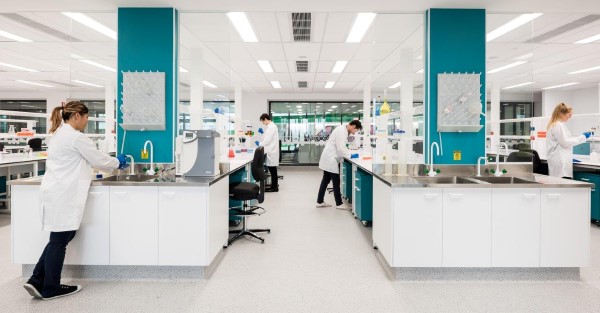
The Kids has a range of specialised expertise, tools, platforms and technology to undertake cutting-edge science.
This map illustrates extensive consultations that have taken place with Aboriginal and Torres Strait Islander peoples on the topic of suicide.
A series of fact sheets have been prepared on a number of issues relating to Indigenous suicide prevention, from our investigations and roundtable discussions.
Our maps provide visual insight into how the number and rate of Indigenous suicides can vary across the different regions of Australia.
Discover the impact of our achievements in the "real world".
We unite experts and communities to improve child health through research that has impact, using animals only when no other methods are suitable. We are also a signatory to the ANZCCART Animals in Research Openness Agreement.
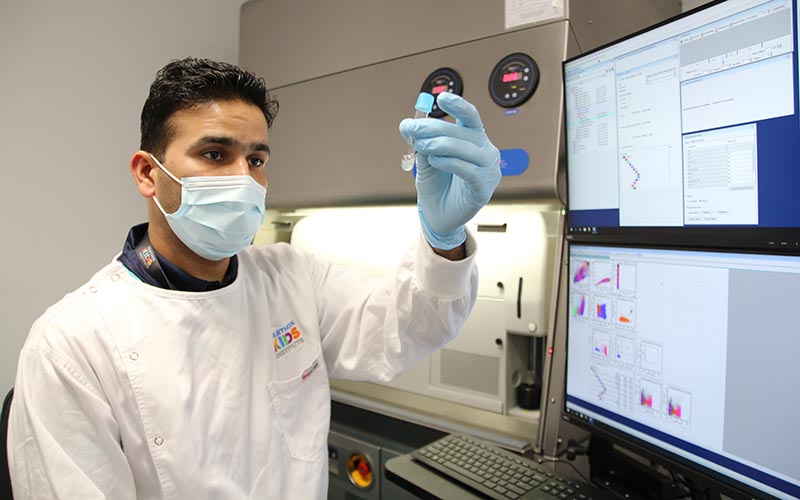
Flow cytometry is a technology used to measure complex cell phenotype and functions. Our Flow Facility is equipped with 3 flow cytometers/analysers, one...
We will leverage the unique Western Australian data linkage resources to undertake the definitive twin and sibling study of infection-related hospitalisation
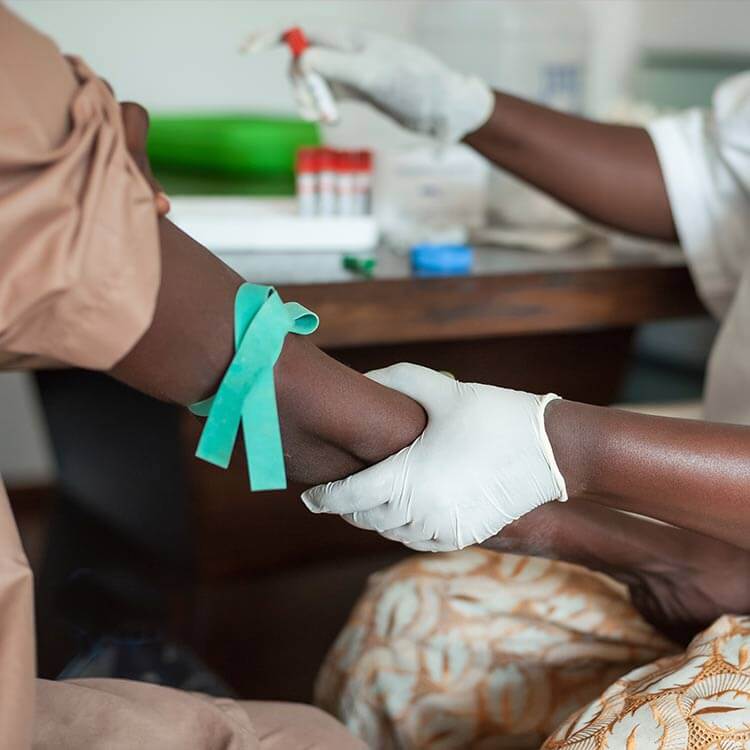
This study investigated host gene expression in response to new HIV infection.
Autism researchers at The Kids have led the most comprehensive review of the evidence for autism intervention ever compiled